Blog
Cat Kidney Problems Signs: a Cat Owner’s Complete Guide

Kidney disorders belong to the most widespread diseases of our lovely pets. The kidneys are the organ that filters out all the toxins and excess fluid from our cat’s organism and controls the processes occurring within its body. However, when there are any disorders related to kidneys, toxins start accumulating inside the body, causing weakness, dehydration, and numerous health issues. In fact, since symptoms develop very slowly, they tend to go unnoticed by owners. This is why knowing about cat kidney disorder symptoms can be crucial for your beloved friend’s wellbeing.
Why Kidneys Are So Crucial for Cats
There are a few vital functions that the kidney fulfills in order to ensure good health for cats. Among them are the filtration of waste products from the body and keeping the fluid balance correct. Moreover, kidneys are also responsible for managing electrolytes, controlling blood pressure, and producing some amount of red blood cells. If kidneys work improperly, toxins accumulate in the body instead of being filtered out in urine. Thus, almost all bodily organs and systems suffer. In case of kidney disease, it is important to visit a vet regularly in order to detect the problem at an early stage.
Overview of Kidney Diseases in Cats
Kidney diseases occur when there is impaired functioning of the kidney. The most common forms of kidney diseases in cats include acute renal failure where the kidneys stop working suddenly. There is also a condition known as chronic kidney disease, which results from gradual deterioration of kidney functions over a period of months or years. Since old age predisposes feline bodies to various medical conditions, kidney disease tends to occur among older cats. This happens since old age affects the functioning capacity of the kidneys. Infections, toxins, and hypertension can also damage kidneys.
Excessive Drinking
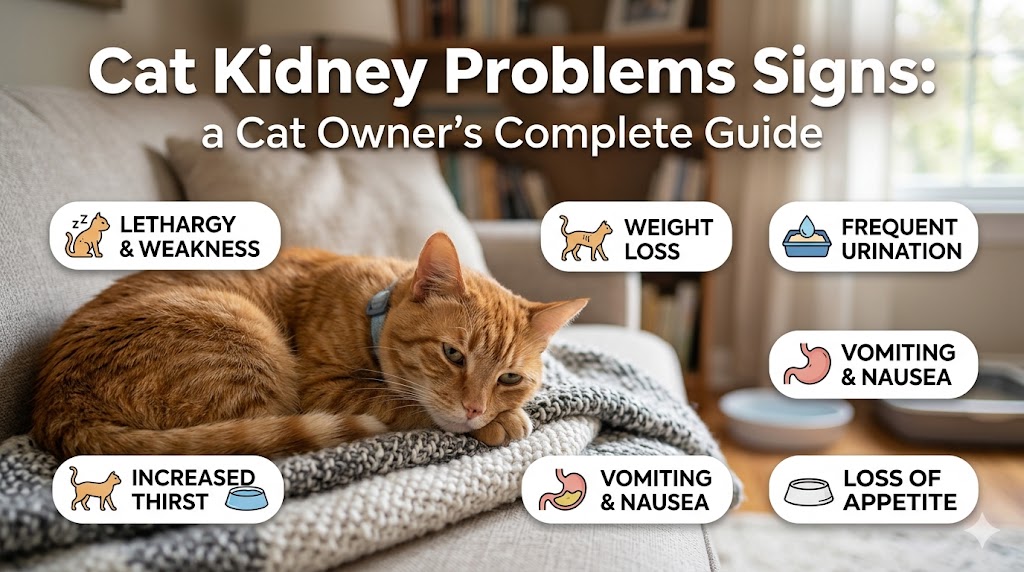
The first sign of kidney diseases among cats is frequent drinking. This occurs because, as mentioned above, healthy kidneys are responsible for water conservation in the body. However, diseased kidneys release large quantities of water through the urine. As a result, cats tend to drink water frequently due to dehydration. Pet owners will notice that cats have a greater thirst compared to the previous days. This can mean the presence of other conditions apart from dehydration. Excessive thirst is a serious sign of other illnesses and thus should not be overlooked.
Frequent Urination
The cats with kidney problems have a tendency to urinate more frequently because their kidneys are unable to produce concentrated urine. In other words, litter boxes tend to be wetter compared to the state without kidney problems. The pets might also start urinating outside of the box for different reasons, such as urgency or discomfort. Furthermore, urine looks paler because it consists of too much water. While the accidents are normal, any change in the bathroom habits is a good reason for concern. It means that observing litter boxes is useful for recognizing signs of kidney issues before they develop into a severe problem.
Weight Loss in Cats
Uncontrolled weight loss is a common symptom of kidney disease in cats. This fact becomes possible because the pets tend to have poor appetite and undergo muscle degradation because of the illness. For example, the owners can see that the cat’s ribs and spine become visible due to muscle atrophy. The process can affect the legs and hips, which will make the animal weaker and thinner. Besides, the dehydration will deteriorate its general physical condition. While the animals usually lose muscle tissue during old age, rapid weight reduction suggests an illness.
Loss of Appetite
One of the most common issues associated with kidney diseases is appetite loss. This occurs due to the build-up of toxins, which causes nausea. As such, sick cats do not eat as much as before or stop eating food entirely. Some animals show an interest in food; however, when they notice how it smells, they stop eating because of feeling ill. Proper nutrition is crucial for maintaining their health. Moreover, the lack of appetite can result in further complications. Hence, when an owner notices that a cat has stopped eating, it is vital to contact a veterinarian right away.
Vomiting and Nausea
Vomiting is one of the key issues related to kidneys as toxins affect the digestion process severely. Cats usually throw up not only food but also foam and liquids. Apart from that, nausea can be manifested through constant drooling, lip licking, and swallowing even if a cat has not thrown up. Nausea affects appetite and leads to dehydration and weakness of cats. While occasional vomiting can be caused by minor stomach upsets, regular vomiting is definitely a sign that something is wrong with a pet’s health.
Bad Breath and Mouth Ulcers
Kitties with kidney problems have very smelly breath, which has ammonia-like or urinal smell. This happens because toxins cannot leave the bloodstream and impact oral tissues. Also, mouth ulcers may appear in cats because of toxins accumulation and irritation in the mouth cavity. Animals with oral ulcers will drool or will have difficulties with eating food properly. Sometimes owners miss oral symptoms of kidney problems as bad breath, mistaking them for signs of dental disease. So any changes in your pet’s mouth, including excessive drooling and appetite issues, should be addressed by a vet right away.
Lethargy and Weakness
Lethargy and weakness is one of the most common signs of feline kidney problems. Because of toxins accumulated in the body, affected pets become less active and sleep more often. Anemia is another condition associated with this type of kidney disease. Cats with such disorder may not be able to synthesize enough erythropoietin, a hormone which helps to form new blood cells. So, affected kitties may appear to be weak, lethargic, and even inactive. While old-age kitties are expected to get lazier, unusual behavior requires medical intervention.
Symptoms of Dehydration
Dehydration among cats suffering from kidney disease is very common since the constant urination process causes the loss of a lot of fluids in their bodies. Regardless of the increased amount of drinking by the cats, they continue suffering from dehydration all the time. Some of the most common symptoms include dryness in gums, sunken eyes, poor elasticity in the skin, and exhaustion. Also, dehydration increases pressure on the diseased kidneys and accelerates the rate at which the cats’ health deteriorates. In severe cases, dehydration may even lead to death. Hence, it is very important to know how to identify this symptom. Fluid therapy by veterinarians tends to assist in managing such patients.
Changes in Fur Quality
Due to their weakness and inability to clean themselves thoroughly, cats with kidney ailments tend to have poor-quality furs. In normal circumstances, cats have well-maintained soft and silky fur as they perform regular cleaning on their own. Due to the sicknesses, cats become unable to clean themselves effectively as they lack the required energy and suffer from nausea. As a result, their fur becomes greasy, dull, tangled, and sometimes flaky. Excessive shedding might also be experienced along with dehydration and other deficiencies.
Behavioral Changes in Cats
Behavioral changes might precede visible signs of physical problems in cats suffering from kidney issues. The cats will exhibit withdrawal behaviors and may become irritable, anxious, or excessively attached based on their personalities. Confusion and agitation may occur in some cats because the accumulation of toxins leads to neurological changes. Cats may retreat into hiding or avoid contact because of pain and weakness. It is essential to pay close attention to any behavioral changes, as cats are known for hiding illnesses. Therefore, observing the cat’s personality traits and behavior plays a crucial role in identifying potential health risks and seeking prompt medical advice.
Causes of Kidney Problems in Cats
Various factors may lead to kidney-related diseases in felines. Aging is the primary cause of kidney issues because the tissues in the kidneys become weaker with age. Moreover, infections, urinary tract obstructions, toxins, hypertension, or inherited disorders may cause severe damage to the organs. Some drugs, poisons such as antifreeze or lily plants, or underlying dental and hydration problems may result in kidney failure. Thus, minimizing the risk of exposure to toxins and regularly visiting a veterinarian can help maintain good kidney health.
The Way That Vets Diagnose Kidney Problems in Cats
Veterinarians diagnose kidney diseases using different methods, including testing a cat’s blood and urine. For example, the former shows elevated levels of metabolic by-products, namely creatinine or blood urea nitrogen in animals whose kidneys stop working properly. Moreover, tests done on urine will help estimate how well a kidney concentrates and determine possible issues like infections or protein loss. Other diagnostics may include measuring a cat’s blood pressure and conducting imaging tests to analyze kidney structure. The initial signs of this disease may not always be visible until early stages of kidney failure. Thus, regular visits to your veterinarian are crucial, particularly for elderly cats who are prone to various diseases.
Available Treatments for Chronic Kidney Disease in Cats
Kidney problems usually can’t be cured; however, appropriate treatments will allow you to control the situation and ensure your pet’s comfortable life. Prescription diets that do not put extra strain on a cat’s kidneys are recommended, and fluid therapy prevents dehydration and toxin accumulation in a cat’s body. Certain medications treat specific symptoms such as nausea, anemia, and high blood pressure in pets with kidney conditions. Hospitalization is sometimes required for severe cases.
Prevention of Kidney Conditions in Cats
Proactive health measures are vital when it comes to preserving kidney functions and health in cats. Giving cats access to clean fresh water promotes healthy hydration and decreases the risk of overworking kidneys. Besides, offering a balanced diet will help ensure the normal functioning of organs. Regular vet consultations are necessary to catch underlying health issues early and prevent permanent damage. Moreover, pet owners should be aware of potentially toxic plants and substances that need to be kept out of reach. Proper weight control and dental hygiene reduce the risks as well. Consequently, proactive healthcare can make a big difference when trying to prevent kidney conditions in cats.
Conclusion
Early detection of cat kidney problem symptoms can help save the life of your furry companion and improve their quality significantly. Changes in drinking habits, excessive urination, nausea, loss of appetite, and weight fluctuations indicate an existing health issue and need to be addressed promptly. As kidney disease is known to progress gradually, it is best to catch the problem early on and treat it effectively. Thankfully, many cats can enjoy high-quality life thanks to proper management of the condition.