Blog
What Injections do Cats Need? Causes, Symptoms, Treatments

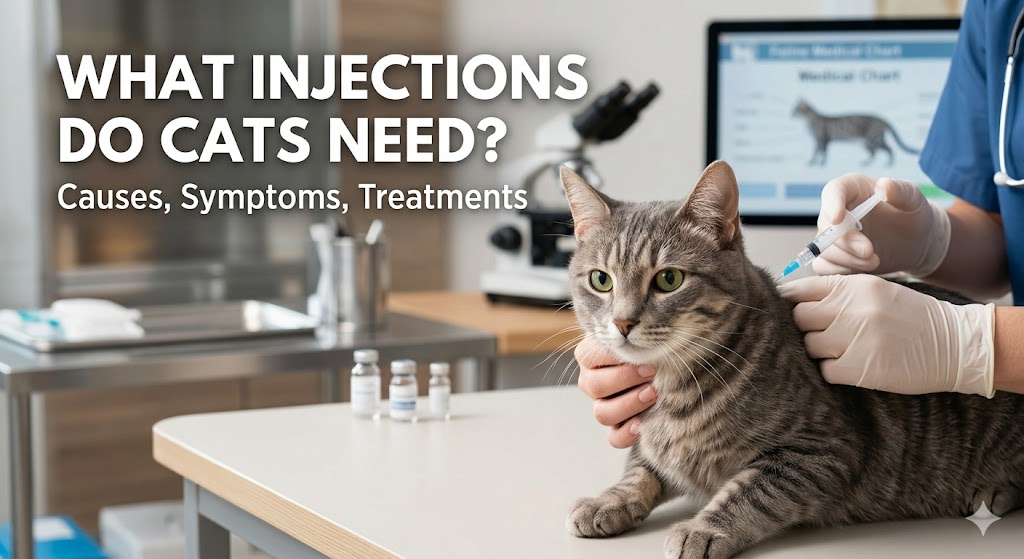
Injections and vaccines are vital aspects of ensuring the healthiness of a cat. Most feline diseases can spread rapidly and become life-threatening conditions if not prevented early enough. For this reason, vets highly advise on vaccination and inoculation of a cat. Vaccinations can be seen as helping the body’s immune system to identify certain harmful microorganisms and prevent them from spreading and causing an illness. In addition, certain types of injections prevent people and other animals from contracting any kind of communicable diseases. Knowing what shots to give to a cat will enable you to take the best care of it.
Importance of Vaccinations in Cats
Vaccinations are extremely important when it comes to keeping cats away from any life-threatening illnesses around them. As kittens are usually very sensitive and vulnerable to infection, they need vaccines in order to strengthen their immune systems against potential pathogens. Even though a baby cat gets temporary protection from its mother, she stops producing antibodies in a matter of weeks. Thus, vaccines become essential in protecting cats from severe infections. Moreover, a vaccinated cat is more likely to have mild symptoms should any type of sickness arise.
Understanding How Cat Vaccinations Work
Vaccinations involve the inoculation of pathogens to educate the immune system about their nature and the ways of dealing with them. In most cases, these vaccines contain either attenuated (weakened) or killed pathogens that will not be able to cause any harm. However, their administration will still prompt a response from the immune system and encourage antibody production. As such, once a person receives an injection, the organism acquires knowledge on how to combat possible infections. Sometimes, several booster injections are required because immunity tends to wear off over time. For this reason, it is vital to adhere to the vaccination schedules suggested by veterinarians.
Core Feline Vaccinations
All cat vaccines are divided into core and non-core groups. The former category contains immunizations that are vital due to the infectious nature of the diseases they aim to prevent. Generally speaking, these shots are crucial for all cats regardless of whether they spend time outdoors or indoors. Typical core vaccines include feline panleukopenia, feline herpesvirus, calicivirus, and rabies. Because of their rapid spread and potential lethality, it is vital to vaccinate cats from birth. In certain countries, vaccinations against rabies are obligatory for cats.
Feline Panleukopenia Vaccine
Feline panleukopenia or more popularly referred to as feline distemper, is one highly contagious viral disease that targets cats’ gastrointestinal tract and immune cells. Symptoms range from vomiting and diarrhea, fever, lethargy, to dehydration, while kittens are highly vulnerable due to their small size and weak immune systems, hence they can die from feline distemper very rapidly. Luckily, vaccines have proven to be highly effective at protecting cats against this potentially deadly virus. Furthermore, since the virus can survive in the environment for long, prevention becomes a priority. Hence, vaccination should begin early on during kittenhood.
Feline Herpesvirus Vaccine
A frequent cause of upper respiratory infections in cats is a virus called feline herpesvirus, which spreads between cats mainly via salvia, coughing, and sneezing. Common symptoms associated with herpesvirus include watery eyes, sneezing, nasal discharge, fever, and lack of appetite. Fortunately, in most cases, affected cats recover from their infections. However, after recovery, the virus may lie dormant in the animal’s body until conditions arise for reactivation, such as stress. While vaccination does not offer full protection against infection, it can prevent symptom aggravation and transmission between animals.
Calicivirus Vaccine
Calicivirus is another type of respiratory infection that can affect many cats all over the world. Symptoms include sneezing, mouth sores, eye discharge, and difficulty breathing. Some forms of calicivirus infection can even lead to joint pains and pneumonia. As this type of infection is highly contagious among cats living in shelters, catteries, or homes with multiple cats, immunization against calicivirus becomes particularly important. Even vaccinated cats may contract this disease at times, but the symptoms will be considerably less pronounced. This way, booster shots will help prevent future infections.
Rabies Vaccination for Cats
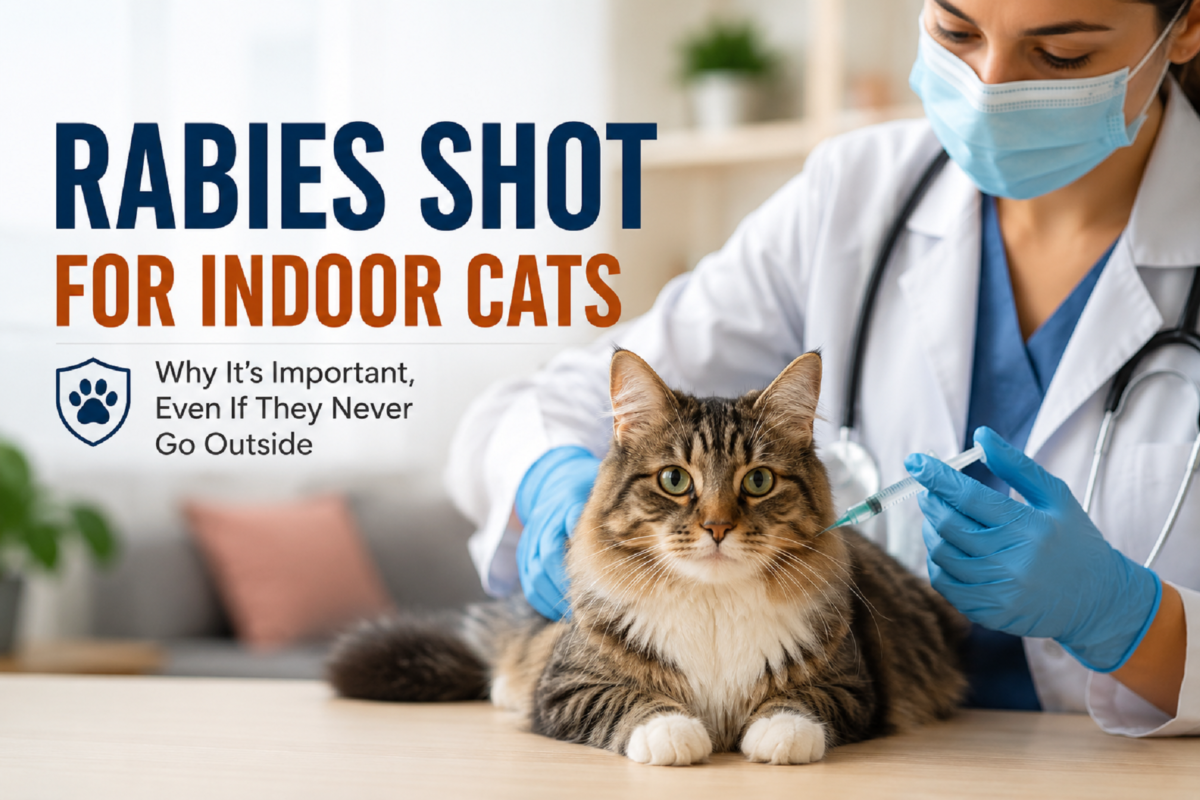
Another very dangerous type of infectious disease, rabies affects not only animals but also human beings. The virus infects the nervous system of its victim and leads to such symptoms as paralysis and aggression, resulting in death of the animal or person. Being spread through the bite of an infected animal, this disease becomes especially hazardous to outdoor cats. Many states even have legislation requiring rabies immunization of pets. Thankfully, proper rabies vaccinations can protect cats from this dangerous disease.
Non-Core Vaccinations
Non-core vaccinations are those shots that are recommended depending on a cat’s activity levels. Cats that have access to the outdoors will be more exposed than indoor-only cats, which is why veterinarians recommend various non-core vaccines. Other factors that affect whether a cat should get specific vaccines include travel history, exposure to shelters, or presence of other animals. Non-core vaccines may be administered to prevent feline leukemia virus and Bordetella infection in cats. While these vaccines are not mandatory, they can significantly improve a cat’s health and longevity.
Feline Leukemia Virus Shot
Also known as FeLV, the feline leukemia virus leads to weakening of the immune system and predisposes to cancer. FeLV is spread through bodily fluids, grooming sessions, shared bowls, and bites. Kittens are highly susceptible to this infection as a result of their underdeveloped immunity. Some common symptoms include weight loss, anemia, fever, and frequent illnesses. As there is no treatment against feline leukemia, vaccination becomes crucial for a cat’s survival. This shot is recommended for kittens and outdoor cats alike.
Bordetella Vaccine
Bordetella is a disease caused by bacteria that cause respiratory issues among cats. It is highly contagious, spreading rapidly within environments like animal shelters, pet boarding facilities, and cat breeding establishments. Signs often include coughing, sneezing, nasal discharge, and elevated temperature. Despite its often mild symptoms, severe respiratory illnesses sometimes occur, hence making veterinarians advise Bordetella vaccine for cats frequently exposed to such surroundings. This helps prevent severe symptom development and reduces the transmission rate of this respiratory infection. Moreover, it makes living in areas where cats are constantly exposed to each other and their infections better.
Kittens’ Vaccination Schedule
Since immunity from the mother wears off slowly, kittens need several doses of vaccines throughout their earlier life stages. Vaccinations usually start at about six to eight weeks of age and repeat every several weeks until sixteen weeks old. This way, protection will be ensured all through this period. Moreover, rabies vaccines are administered depending on the rules and suggestions made by a veterinarian. It is critical to vaccinate on time, as otherwise, immunity won’t build up properly. This means that following a vaccination schedule prevents dangerous illnesses.
Booster Shots for Adult Cats
Adult cats also require booster shots since their immunity decreases gradually. Based on the type of vaccine and other factors, vets will give instructions for annual or triennial booster shots. Sometimes indoor cats may need fewer vaccines than their outdoor counterparts who require broad coverage. Senior cats also need regular checkups to ensure proper scheduling. By keeping track of all vaccination dates, cat owners can ensure their pets do not miss out on their shots. Hence, booster shots are an important part of adult cat care.
Common Vaccine Reactions
Side effects of vaccination are relatively uncommon and generally minor. Some cats may experience mild pain at the injection site, fever, decreased appetite, or lethargy. These conditions last for about two days and subside naturally. Severe allergic reactions are uncommon but can be life-threatening. Allergic symptoms may include facial swelling, trouble breathing, vomiting, or loss of consciousness. Hence, it is vital that owners observe their cats after vaccination. Any unusual signs warrant a visit to the vet clinic. While side effects are occasional, the advantages of vaccinating outweigh the associated risks.
When Should You Take Your Cat to a Vet?
Your cat should see a veterinarian despite its vaccination. Some signs that your feline needs medical assistance include persistent vomiting, respiratory issues, extreme lethargy, rapid weight loss, diarrhea, and lack of appetite. If you notice sneezing along with eye discharge and mouth ulcers in your cat, it means it has some contagious illness that requires treatment. Despite vaccination, a cat tends to have less severe symptoms but no vaccine protects a pet completely. Hence, routine veterinary visits and examinations are necessary to diagnose potential illnesses early on.
Vaccinations Are Needed for Indoor Cats
It is commonly assumed that cats that spend their time indoors do not need vaccines since they are not likely to come into contact with other animals often. Nevertheless, infectious agents may get into the house through the clothes of people, shoes, bugs, and other cats. Besides, indoor felines may escape from the house and get into the vicinity unexpectedly. Because some diseases may spread quickly, it makes sense to vaccinate such cats as well. Normally, veterinarians develop vaccination schedules based on each animal individually.
Factors That Influence Vets’ Recommendations on Vaccinations
When veterinarians recommend vaccinations for cats, they base their decision on several criteria. Cats’ age, health condition, environment, travel history, and risk level impact the necessity to receive certain shots. For instance, indoor-only cats usually need fewer vaccines compared to outdoor and board cats. Moreover, older cats and those that suffer from chronic diseases should follow special vaccination schedules. In addition, veterinarians take into consideration regional disease patterns as well as mandatory vaccination procedures for pets. Personalized care plans offer the highest level of protection for cats. Communicating openly with a veterinarian ensures making the right healthcare choices for pets.
Final Thoughts
Learning about the necessity to vaccinate cats contributes to protecting them against severe and fatal diseases. The most common vaccines that all cats should be administered include rabies, panleukopenia, herpesvirus, and calicivirus. Furthermore, non-core vaccines could be beneficial for cats that have higher levels of exposure. Though injections can sometimes cause minor side effects, they are much less dangerous than infectious diseases. In conclusion, regular visits to veterinarians and adequate vaccine schedules help to ensure the good health of pets. Cat owners in 2026 will definitely benefit from it.