Blog
Pancreatitis in Cats Symptoms: Causes, and Stages

Many pet owners become worried once they notice their pets are no longer eating properly, vomiting often, or appear to be overly tired. In such scenarios, these behavioral changes might signify a medical condition referred to as pancreatitis. Recognizing the symptoms of pancreatitis in cats becomes essential since this knowledge could lead to better results in treating this ailment. The pancreas is an organ whose functions include facilitating digestion and ensuring proper blood glucose levels in the body. Due to its importance, inflammation can have serious consequences for a feline patient.
The Pancreas in Cats
This organ serves many purposes in a cat’s body and, for this reason, should be kept healthy and fully functional. First of all, it is responsible for producing hormones that balance the glucose levels in one’s body. At the same time, the pancreas facilitates digestion through creating enzymes that help digest food. The digestive process occurs in the intestines; therefore, enzymes should not become activated prior to being in this part of the body. Instead, they cause irritation in the pancreas and result in inflammation.
What Is Feline Pancreatitis?
Feline pancreatitis occurs when there is inflammation in the pancreas. Based on the duration and intensity of the inflammation, veterinarians categorize pancreatitis as being acute or chronic. While the acute form presents suddenly and results in severe symptoms, the chronic variety usually presents slowly and with less obvious signs. Also, chronic pancreatitis may last for many months or even years. Contrary to what many people think, diagnosis of pancreatitis is not easy since symptoms can mimic other medical problems.
Reasons Why It Is Hard to Diagnose Pancreatitis
The first reason why it might be difficult to diagnose pancreatitis in felines is the absence of apparent symptoms in the earlier stages. Most cats only show signs of lethargy, decreased appetite, and increased hiding behavior. Besides, symptoms are often intermittent, thus confusing the owner and causing difficulty in diagnosing the problem. Many times, symptoms do not match how badly inflamed the cat might actually be.
The Most Common Pancreatitis in Cats Symptoms
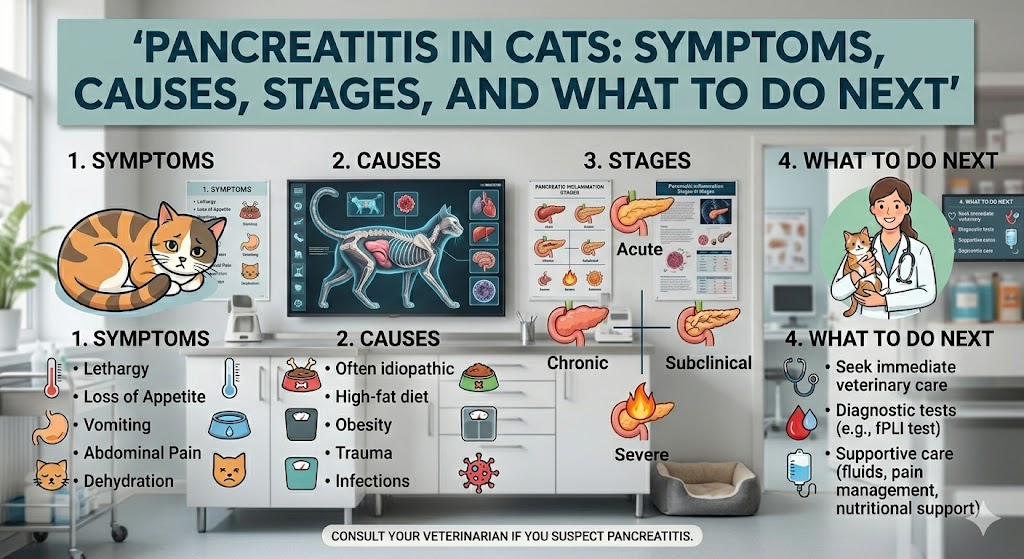
The symptoms most commonly associated with cat pancreatitis include loss of appetite, lethargy, vomiting, dehydration, and weight loss. Besides these, other possible symptoms include abdominal pain, reduced mobility, increased hiding, and decreased sociability. In contrast to dogs, abdominal pain tends to be harder to spot in cats. This means that cat owners should be particularly attentive to any changes in their pet’s behavior. Even minor symptoms require professional evaluation if they persist longer than two days.
Loss of Appetite
One of the most common symptoms of feline pancreatitis is appetite loss. This happens because inflamed pancreas causes increased pain, which makes the cat refuse any type of food. Nausea is yet another symptom that occurs together with inflammation and prevents a cat from eating even if hungry. If your cat, who usually loves eating, suddenly shows no interest in her favorite treats and meals, then this symptom requires further attention.
Vomiting and Digestive Discomfort
Vomiting occurs frequently in pancreatic diseases; however, not all affected cats will suffer from it. While some cats experience repeated bouts of vomiting, others exhibit sporadic episodes of digestive discomfort. Nausea might additionally manifest through increased salivation, swallowing, or licking of the lips, which owners could overlook and perceive as mere gastrointestinal irritation. Nevertheless, chronic vomiting results in dehydration and exacerbates the already critical state of the animal. When you have a frequently sick cat, especially if it lacks appetite, you should pay special attention.
Lethargy and Weakness
Cats suffering from pancreatitis are highly susceptible to fatigue. Instead of being active and playful, such animals spend the majority of their time lying around. Moreover, the inflammation puts extra strain on the body, demanding a lot of energy and leading to exhaustion. It is quite evident that a sick pet sleeps more and demonstrates weaker responsiveness compared to its healthy condition. Nonetheless, fatigue is not uncommon for a pet but may still suggest the existence of problems.
Pain and Discomfort in Abdomen
It can happen that when inflammation of the pancreas becomes intense, then abdominal pain starts to occur. However, as already mentioned before, cats do not exhibit any pain easily. Cats may start to assume a crouching position, become aggressive at touch, show reluctance at handling of the abdomen, and start altering sleeping postures in order to feel less pain. Since cats naturally tend to hide the sign of being sick, owners should be careful about recognizing this symptom. It usually requires pain relief.
More Serious Pancreatitis in Cats Symptoms Requiring Immediate Action
In some cases of inflammation of the pancreas in cats, symptoms which require immediate medical assistance arise. Such symptoms include dehydration, vomiting, breathing difficulties, collapse, jaundice, or severe weakness. Furthermore, cats can start showing signs of having too low a body temperature or experiencing shock. Intense inflammation often starts affecting other organs of the cat’s body at once. Once it progresses past loss of appetite or feeling tired, veterinary help becomes necessary.
Causes of Pancreatitis in Cats
The actual cause is unknown for most cats. Still, a number of possible causes exist for the condition. Infection, immune disorders, injury in the abdomen, inflammatory bowel disease, and liver disease could all be involved. Exposure to chemicals or allergic reaction to medications could also be a factor in some cats. Other felines might suffer from the ailment with no apparent underlying cause. Since multiple reasons could be at work, it is important to obtain proper examination by an animal doctor.
Difference Between Acute and Chronic Pancreatitis
A sudden and severe case of pancreatitis falls into the category of acute pancreatitis. Chronic pancreatitis, on the other hand, is a progressive condition that can cause irreversible damage to the affected organ. Recurrent inflammation of the pancreas is a common characteristic. Owners might find it difficult to detect symptoms, which would usually be mild. Nonetheless, both conditions are serious issues and require the intervention of animal doctors.
Stage One: Mild Pancreatitis
In mild cases, cats suffer from vague symptoms such as a poor appetite and low activity level. The cat might keep eating a little bit and seem a little bit sick. Moreover, there would not be too many abnormalities in lab tests. Early diagnosis is crucial because the treatment is started before severe pancreatitis occurs. Do not wait and see how your cat will feel when you see slight behavior changes. It is recommended to make an early evaluation.
Stage Two: Progressing to Moderate Stage
When symptoms start getting worse, owners can recognize them easily. There is a chance that cats suffer from vomiting and experience more pain as well as dehydration. Furthermore, appetite continues declining and weight loss starts occurring. Cats start spending a lot of time sleeping in bed instead of being active and playful. Dehydration occurs since the pet cannot eat or drink properly.
Stage Three: Severe Pancreatitis
Severe pancreatitis can be classified as a serious health emergency. A cat may become extremely weak, dehydrated, and incapable of maintaining vital body functions. In addition, additional organs may get affected, causing life-threatening health problems. Specialized care for animals suffering from pancreatitis includes hospitalization, administration of fluids, nutrition, and pain relief. Without timely and appropriate care, a severely affected individual may even die. Knowing the stages of disease development helps understand the necessity for timely care and treatment.
Medical Conditions Linked With Pancreatitis in Cats
Cats with pancreatitis may suffer from some other health problems. Common conditions include inflammatory bowel syndrome, liver disease, and diabetes. Sometimes, the combination of inflammation in the intestines, liver, and pancreas is called triaditis. Multiple health problems in cats make their diagnosis difficult and require further laboratory tests. Having information about additional diseases makes it possible to develop an appropriate treatment plan.
The Tests Used for Diagnosing the Illness
Several types of tests may be required to diagnose pancreatitis. First of all, vets usually start with examining the pet physically and conducting some blood tests. Pancreatic enzymes are another type of tests that can assist with identifying the illness. Ultrasound can detect enlarged pancreas and any alterations in surrounding tissue. As there is no one hundred percent accurate method of diagnosing pancreatitis, several approaches should be used to achieve more precise results.
Treatment Methods for Pancreatitis
The primary goal of treatment is to provide the patient with supportive care until their pancreas heals. For this purpose, fluid therapy is applied to overcome dehydration and enhance circulation in the body. Moreover, vets use anti-emetics to relieve nausea and induce the appetite. It is crucial to provide the patient with pain relievers since inflammation causes severe discomfort. Hospitalization might be required in case of acute disease.
Nutrition During Recovery
A proper diet will help to heal and prevent any complications. Many veterinarians advise to give highly digestible foods which will create less stress for the cat’s digestive system. Also, the consistency of food intake will minimize any problems that may arise due to fasting. In some cases, appetite-stimulating medication is necessary, as well as assisted feeding. It is important to follow all instructions regarding a cat’s diet because nutritional support plays a huge role in recovery.
Vomiting and Pancreatitis
Chronic vomiting is one of the most problematic manifestations of pancreatitis in cats. People interested in pancreatitis problems often search for the issues related to cat constantly puking. This will help understand when it is time to visit a veterinarian. Frequent vomiting is a symptom worth paying attention to because it indicates serious problems.
Preventing the Reoccurrence of Pancreatitis Symptoms in Cats
While it is not possible to prevent all instances of recurrence in feline pancreatitis symptoms, there are ways to minimize the chances of reoccurring issues through minimizing risk factors. Routine visits to veterinarians, ensuring proper diet, and controlling any underlying medical issues are crucial in preventing recurrence of feline pancreatitis symptoms. Furthermore, the pet owner needs to monitor any changes in the cat’s eating habits, hydration levels, and activity after recovering from an attack.
Future for the Cat With Feline Pancreatitis
Many cats will make a successful recovery from feline pancreatitis after diagnosis and receiving adequate treatment for their condition. Nonetheless, cats with chronic pancreatitis require regular monitoring and control of the disease. Besides, some cats may have recurring attacks of pancreatitis throughout their lifetime. Routine examination by veterinarians helps to detect any changes that could signify the development of complications. Monitoring the cat’s eating behaviors and health status is essential in detecting any problems before they arise.
Monitoring Associated Health Issues
When a cat has pancreatic problems, it might have other associated health problems which need to be considered. Owners can, for instance, watch out for signs of kidney failure in cats since illnesses can impact more than one system of the body at once. Such information helps pet owners identify any changes in the health condition of their cats and report any concerns to the attending veterinarians.
Conclusion
The severity of pancreatitis may vary from mild discomfort to a medical emergency. Knowing what causes the condition, what stages there are, and what symptoms appear helps cat owners deal with the situation efficiently. Regardless of whether it is vomiting, lack of appetite, lethargy, or serious complications like dehydration, it will help to catch these issues earlier and manage the condition in the most efficient way possible. Additionally, professional help should not be underestimated for the effective treatment of pancreatitis.
