Blog
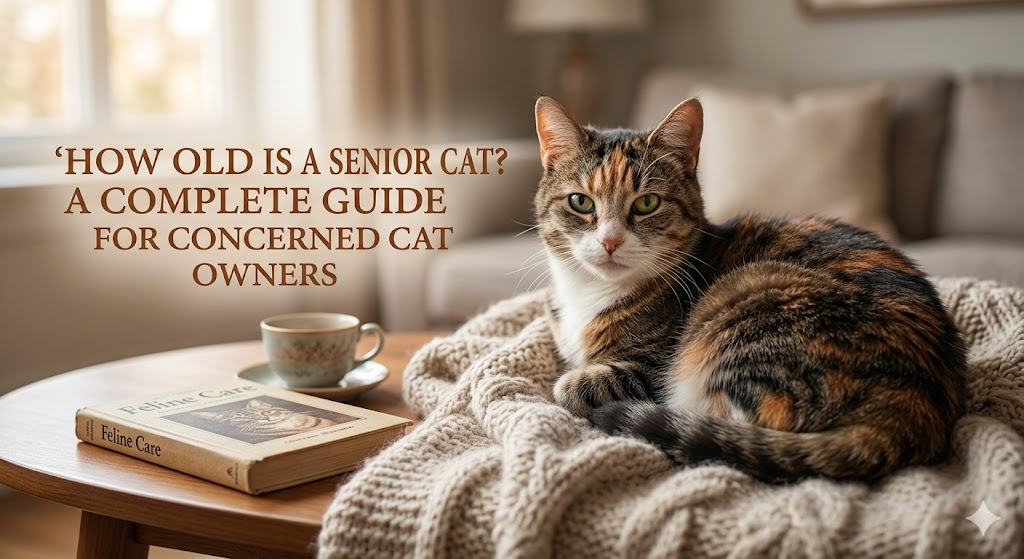
How Old is a Senior Cat? A Complete Guide for Cat Owners

In time, cat owners will surely notice alterations in the behavior, energy, and physical appearance of their pet. They will then ask: how old is a senior cat? Knowing the correct answer will help them in providing proper care for their pets’ nutritional needs, health needs, and day-to-day needs. Cats mature in different ways than humans do, and as they mature, their needs also change greatly. It is important to recognize these changes early on to be able to attend to their health needs before serious problems arise.
The Various Life Stages of a Cat
There are several stages that a cat goes through during its lifetime: from being a kitten, adolescent, young adult, mature, to becoming a senior and geriatric cat. These stages include unique changes for each stage. Their nutritional and health needs differ according to their stage in life. Being aware of the life stages of a cat will help in knowing what needs to be done to care for them properly.
Age Classification of a Senior Cat by Veterinarians
Veterinarians classify cats as being seniors starting at the age of around eleven. However, growing older does not occur suddenly. Cats aged between seven and ten years may be classified as mature adults, whereas cats that are above eleven years are considered senior cats. In addition, cats above fifteen years of age are typically referred to as geriatric cats. This is because age plays a vital role in the type of care that a cat receives.
Importance of Aging Classification
Aging plays a key role in the care requirements of a cat, and therefore age categorization is vital. For instance, the food that senior cats consume is different from what younger cats eat. The same applies to the frequency at which the cat visits a veterinarian for a check-up. Preventive healthcare may also become necessary with aging since various health issues arise due to aging.
Physical Changes that Older Cats Undergo
As cats become old, there are a number of physical changes that they experience. It is not uncommon for muscle mass to reduce and hence the cat may look more muscular even without being overweight. Also, there may be an overall change in hair quality. Joints may stiffen up and make it hard for the cat to climb. Vision and hearing may also change gradually.
Changes in Behavior for Older Cats
Cats at old age behave differently compared to adult cats. Some may choose to sleep most of the time while others may appear more playful than usual. Changes in routines, confusion, and alteration in social behavior are also evident in cats at old age. In some cases, aging causes loss of cognitive abilities hence the cat may become disoriented.
How Much is Eleven Years for a Cat in Human Terms?
Many cat owners wonder how much time passed by in human years when it comes to cats. Although calculations can differ slightly from one source to another, an eleven-year-old cat is approximately equal to a person at the age of sixty. Also, the rate at which cats age changes: They age much faster when they are younger and slower when they are adults. It is essential to know how feline years relate to humans in order to comprehend the medical issues associated with them.
Typical Conditions that Can Be Found in Older Cats
Aging brings increased chances of having serious diseases. Kidney disease, osteoarthritis, hyperthyroidism, diabetes, heart disease, and periodontal disease are typical of elderly cats. Moreover, some initial symptoms can be easily overlooked since they might be too mild. Excessive drinking, losing weight, moving slower, or having a different appetite are signs that can indicate a developing condition in your pet.
Why Are Regular Veterinary Visits Important?
The importance of veterinary visits becomes more apparent as cats advance in age. Many professionals suggest that cats undergo two wellness visits per year after they reach their senior age. Routine blood work and urine test will also allow the vet to notice any possible health problems early on. Regular preventative care helps identify health problems and provide the right treatment in time. Regular healthcare will help solve any existing issues while maintaining good health.
What Nutritional Needs Do Older Cats Have?
Aged cats need different nutritional needs compared to younger cats. Protein is necessary for healthy muscles; however, calorie intake should be adjusted according to individual activity. Some cats may require special diets to maintain kidney function, lose excess weight or have healthy digestion. Drinking enough fresh water is vital since cats at an advanced age become susceptible to dehydration. Consulting a professional will help formulate appropriate nutrition plans for aged cats.
How Old is a Senior Cat and When Should They Change Diets?
When discussing how old is a senior cat, people often consider their changing nutrition requirements. Most vets advise considering their diet between seven and ten years of age. Moreover, not all cats need a change in their feeding regime at a particular age point. The overall health, physical activity, body condition, and past medical problems will define the best options to consider. Regular examinations will help determine what kinds of diet are best for these animals.
Managing Weight in an Older Cat
Maintaining proper body weight is crucial in the senior stage. Some senior cats tend to be overweight because of the decreased physical activity; other cats become underweight due to certain diseases. Moreover, being overweight poses more pressure on the joints and internal organs, making some disorders even worse. Monitoring your cat’s body condition will help determine the problems that should be addressed.
Dental Problems in Seniors
One problem affecting many senior cats is dental problems. This may lead to a reduction in the cat’s well-being as well as its desire to eat. Dental disease includes plaque formation, gum inflammation, and eventually tooth loss. Also, not addressing such issues may lead to health problems throughout the rest of the body. Routine check-ups and dental cleanings can assist in maintaining good dental hygiene. Symptoms include bad breath, drooling, and problems with eating.
Issues with Mobility in Senior Cats
Joint pain and arthritis are quite common problems in senior cats. In many cases, this can make the cat less willing to jump and use the stairs or engage in its favorite games. This may also lead to changes in grooming behavior and socialization due to joint pain. The use of ramps, comfortable sleeping surfaces, and easy-to-access litter boxes makes a huge difference.
Growth Prior to Aging
As owners anticipate when a cat will enter its golden years, many find themselves asking, when is a cat full grown Knowing how cats grow allows owners to gain insight into the aging process. Factors that impact growth also play a role in an animal’s physical and mental well-being in its later life.
Mental Health and Cognitive Abilities
Similar to the way aging impacts the human brain, a senior cat can exhibit signs of cognitive impairment related to their aging process. These signs can be seen through confusion, altered sleeping habits, excessive meowing, and withdrawal from the owner. Some senior cats become confused or forgetful, too. Providing mental stimulation by way of play and interaction might prove beneficial.
Environment Modification for Elderly Cats
Making some modifications to the home environment would ensure better comfort for elderly cats. The provision of soft resting areas, access to feeding and drinking stations, and litter boxes that allow for easy entry would make the cats less likely to suffer from physical injuries. Obstacles in the way should also be avoided. Consistent daily routines decrease stress among the elderly animals.
How Old Is an Elderly Cat When Compared to Other Breeds?
Age varies according to the breed of a cat, though in general cats become elderly at the age of eleven. Nevertheless, different breeds might age differently depending on their genetic traits and their propensity to develop certain health conditions. Moreover, individual lifestyles usually have a greater impact on the aging process rather than the breed of the animal. Indoor cats live longer than outdoor ones since they are exposed to less danger.
Exercise and Activities for Elderly Cats
Despite being relatively inactive, elderly cats should still engage in exercises regularly. Games played with them can keep muscles toned, maintain flexibility, and provide mental stimulation. Moreover, exercise is good for weight control and heart health as well. Playing games with appropriate toys and allowing them to climb is another way to make elderly cats move around without straining themselves too much.
Information about Growth in Cats
When researching cats’ aging, many pet parents may wonder: How long do cats grow? Knowing how their bodies change through growth can be quite helpful when figuring out how they age and become seniors.
Detecting When It’s Time to Visit a Vet
Some things happen because of age, but others can mean that there might be a problem. Weight loss, frequent vomiting, trouble breathing, excessive drinking of water, or unusual behavior warrant an immediate visit to the vet. Changes in litter box habits, appetite, and mobility shouldn’t go unnoticed either. Quick detection is essential for providing timely help.
Factors Influencing Cats’ Longevity and Health
Longevity is affected by many different aspects, such as genetics, healthcare, nutrition, living conditions, and preventive care. The regular vet visits help catch the problems early and avoid complications. Making sure that your cat is emotionally and mentally satisfied and physically comfortable plays a crucial role in ensuring their well-being. Older cats often enjoy an active lifestyle despite the advancing age.
Conclusion
Knowledge of How old is a senior cat will enable cat owners to anticipate what to expect during their time spent caring for these aging furry family members. Cats generally become seniors at around the age of eleven, although every cat experiences their senility differently, depending on their individual health, environment, and genetics. Besides, proper care by a vet, nutritious diet, environmental modifications, and monitoring help cats age well.