Blog
Can Cats Breathe Through Their Mouth? A Clear Vet-Backed Guide

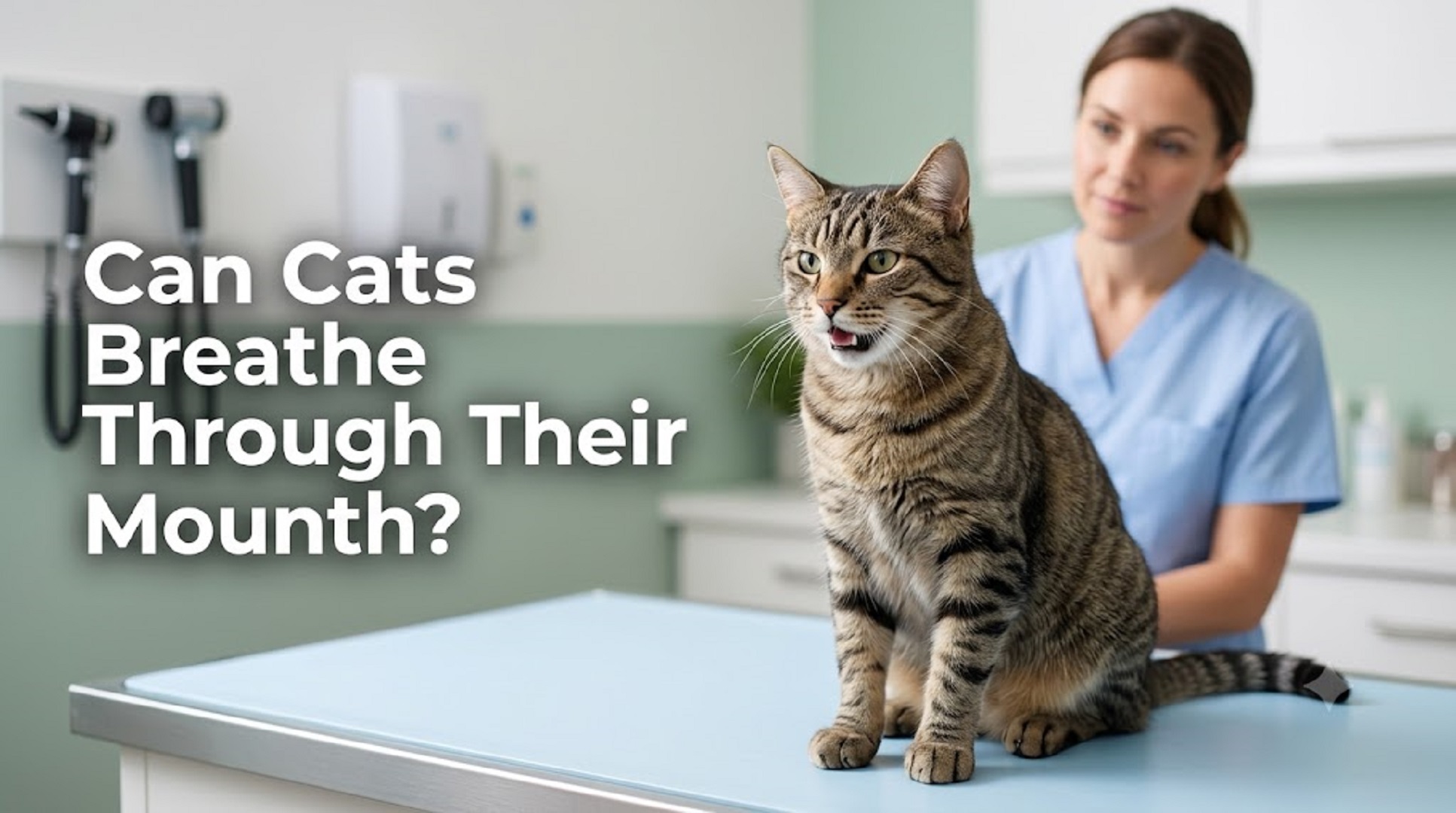
Cat owners often become concerned when they notice unusual breathing behaviors in their pets. One common question veterinarians hear is, can cats breathe through their mouth? While cats primarily breathe through their noses, there are situations where mouth breathing may occur. However, unlike dogs, open-mouth breathing is not considered normal for cats in most circumstances. Therefore, understanding the causes, warning signs, and appropriate responses can help owners protect their cat’s health and identify serious medical conditions before they become emergencies.
Understanding Normal Cat Breathing
Healthy cats are designed to breathe through their noses. The feline respiratory system efficiently filters, warms, and humidifies air before it reaches the lungs. Consequently, nasal breathing supports optimal oxygen exchange and respiratory function. A relaxed cat should typically breathe quietly with its mouth closed. Additionally, breathing should appear effortless and regular. Any noticeable change in breathing patterns deserves attention because respiratory issues can develop quickly and sometimes indicate underlying health problems.
How the Feline Respiratory System Works
The feline respiratory system consists of the nose, throat, trachea, lungs, and supporting muscles. Air enters through the nostrils and travels through specialized passages that remove dust and contaminants. Furthermore, these structures help regulate airflow and maintain respiratory efficiency. Once air reaches the lungs, oxygen enters the bloodstream while carbon dioxide leaves the body. Because this process is highly effective, healthy cats rarely need to breathe through their mouths under normal circumstances.
Can Cats Breathe Through Their Mouth?
The simple answer is yes, can cats breathe through their mouth is a question with a technically positive answer. Cats are physically capable of breathing through their mouths when necessary. However, mouth breathing is not considered normal feline behavior in most situations. Unlike dogs that pant regularly, cats typically keep their mouths closed while breathing. Therefore, persistent mouth breathing should always be taken seriously because it may indicate stress, overheating, respiratory disease, or another medical concern.
Why Cats Prefer Nose Breathing
Cats naturally rely on nose breathing because it is more efficient and comfortable. Nasal passages condition incoming air and help protect sensitive lung tissues from irritants. Additionally, cats depend heavily on their sense of smell for navigation, communication, and feeding behaviors. Breathing through the nose supports these important functions. Consequently, healthy cats instinctively choose nasal breathing whenever possible. Any shift toward mouth breathing often signals that something is interfering with normal respiratory processes.
Temporary Causes of Open-Mouth Breathing
Not all episodes of open-mouth breathing indicate severe illness. In some cases, temporary factors can trigger this behavior. For example, vigorous play sessions, intense exercise, or stressful situations may cause a cat to briefly breathe through its mouth. Additionally, exposure to high temperatures can sometimes result in short-term panting. Once the triggering event ends, breathing should quickly return to normal. Persistent symptoms, however, require closer evaluation and veterinary attention.
Can Cats Breathe Through Their Mouth After Exercise?
Many owners notice open-mouth breathing after energetic activity and wonder whether it is normal. In certain cases, can cats breathe through their mouth after exercise has a reasonable explanation. Intense physical exertion temporarily increases oxygen demands and body temperature. Consequently, some cats may briefly pant or breathe through their mouths. However, this behavior should resolve within a few minutes of rest. Prolonged breathing difficulties after exercise may indicate underlying health concerns that require investigation.
Heat and Overheating Concerns
Although cats do not pant as frequently as dogs, they may breathe through their mouths when overheated. High temperatures, inadequate ventilation, and excessive physical activity can contribute to heat stress. Additionally, long-haired cats and overweight pets may face increased risks during warm weather. If overheating occurs, cats may appear restless, lethargic, or distressed. Therefore, providing cool environments, fresh water, and adequate shade is essential for preventing heat-related respiratory issues.
Stress and Anxiety Can Affect Breathing
Stressful experiences sometimes trigger temporary mouth breathing. Veterinary visits, travel, loud noises, unfamiliar environments, and frightening events may increase respiratory rates. Furthermore, anxiety can cause cats to exhibit unusual behaviors that resemble respiratory distress. Although these episodes often resolve once the stressful situation ends, owners should monitor closely. If breathing remains abnormal after the stressor disappears, professional evaluation may be necessary to rule out underlying medical conditions.
Respiratory Infections and Breathing Problems
Upper respiratory infections are common causes of breathing difficulties in cats. Congestion can block nasal passages, forcing cats to rely more heavily on mouth breathing. Additionally, infections often produce symptoms such as sneezing, nasal discharge, coughing, and reduced appetite. Because blocked nasal passages interfere with normal breathing, affected cats may appear uncomfortable or distressed. Prompt veterinary treatment helps address infections while reducing the risk of complications and prolonged respiratory problems.
The Connection to Cat Coughing and Sneezing
Owners who notice mouth breathing often observe additional symptoms. For example, cat coughing and sneezing frequently occur alongside respiratory infections and airway irritation. These symptoms may indicate viral, bacterial, or environmental causes affecting respiratory health. Furthermore, persistent coughing and sneezing can contribute to breathing difficulties. Understanding the relationship between respiratory symptoms helps owners recognize when professional veterinary care is necessary for proper diagnosis and treatment.
Asthma in Cats
Feline asthma is a chronic inflammatory condition affecting the airways. During flare-ups, airway narrowing restricts airflow and increases breathing effort. Consequently, affected cats may wheeze, cough, or breathe through their mouths. Additionally, asthma attacks can become severe and require immediate medical attention. Early diagnosis allows veterinarians to develop treatment plans that improve respiratory function and reduce symptom frequency. Therefore, recurring breathing abnormalities should never be ignored.
Allergies and Airway Irritation
Environmental allergens can also contribute to respiratory symptoms. Dust, smoke, strong fragrances, pollen, and household chemicals may irritate sensitive airways. Consequently, some cats experience coughing, sneezing, congestion, and occasional breathing difficulties. Identifying and reducing exposure to triggers often improves respiratory comfort. Additionally, veterinary guidance may help determine whether allergies play a role in ongoing symptoms. Effective management supports healthier breathing and improved quality of life.
Heart Disease and Breathing Difficulties
Respiratory changes sometimes originate outside the lungs. Certain heart conditions can affect circulation and fluid balance, leading to breathing problems. Cats with heart disease may breathe rapidly, appear lethargic, or show reduced exercise tolerance. Additionally, fluid accumulation around the lungs can create significant respiratory distress. Because heart-related breathing issues can progress rapidly, immediate veterinary assessment is essential whenever symptoms suggest cardiovascular involvement.
Heart Failure in Cats and Open-Mouth Breathing
Cats with severe cardiac disease (such as heart failure) may also have respiratory difficulty and/or mouth breathing. When the heart isn’t working properly, fluid can build up either inside or outside the lungs. This means that cats can struggle to get enough oxygen. In these cases, open mouth breathing is a medical emergency. Thus, if a cat has persistent respiratory distress, it should be seen by a veterinarian right away so an underlying cause and treatment can be identified.
Emergency Care Signs
Some symptoms may be signs of emergency veterinary care. If the mouth is open and the gums are blue or pale, the animal is very sleepy, collapsed or making a lot of breathing, it needs attention immediately. Also, if your cat pancies his/her chest while breathing or has trouble being comfortable when lying down, it may have a very serious respiratory issue. Respiratory emergencies can deteriorate quickly and the delay in treatment can lead to greater risk. Knowing what to look out for will help owners get prompt professional treatment and save lives.
How Veterinarians Diagnose Breathing Problems
There are a number of diagnostic tools veterinarians rely on when assessing respiratory symptoms. Physical exam is useful for understanding breathing patterns and health status. Also, blood tests, chest x-rays, an ultrasound exam and oxygen testing can help determine the cause. Sometimes, more sophisticated imaging or testing is required. If your veterinarian is able to make an accurate diagnosis, he or she can create a plan of treatment that will fit your cat and address his health concerns.
Treatment for Mouth Breathing Cats
Treatment is dependent upon the cause of the problem. Medications and supportive care might be needed for respiratory infections. Anti-inflammatory agents and environmental control are often helpful in treating asthma. Furthermore, medications may be needed to treat heart disease that will help promote better blood circulation and fluid removal. If it is a crisis oxygen therapy and hospitalization might be required. Therefore, it is still necessary to diagnose the condition by a professional, as the treatment will differ depending on the condition.
Preventing Respiratory Problems
While not all respiratory problems can be prevented, there are steps that help to lower risks. Regular veterinary visits help to detect health problems at an early stage. Also, cleaner indoor air and limited exposure to smoke and irritation helps to promote healthy breathing. Proper nutrition and weight management are also factors in overall health. In addition, immunisations can help lower the risks of infectious respiratory illnesses. These preventive measures help promote healthy breathing all the way through a cat’s life.
Demonstration and home monitoring of breathing
Occasionally, owners should watch their cat at rest to see how many times the cat is breathing per minute. Relaxed healthy cats breathe quietly and regularly. More attention should be paid to any sudden increases in breathing effort, sounds or visible changes in chest movement. Also, note-taking on symptoms will help with evaluations. Owners can note the presence of subtle changes and get treatment before the problem gets worse.
Common Myths About Cat Breathing
There are a number of misconceptions about feline respiratory health. Some people think it’s not a problem if their cat’s panting from time to time, others think that no one gets a respiratory illness indoors. Unfortunately, these beliefs can postpone the treatment that is needed. Also, there are many differences between the two species, so it is important not to make comparisons between feline breathing habits and dogs. Thus, it is advisable to take care of the animals under the guidance of the veterinarian and not on the assumption.
Is It OK For Cats To Breathe Through The Muzzle?
Many owners wonder if when they see that their cat is breathing through their mouth they are always sick. This really depends on the context. In otherwise normal cats, exercise and stress may cause brief episodes. But chronic or otherwise inexplicable mouth breathing should never be taken as a normal condition. As respiratory symptoms may be a sign of a serious medical condition, it is always best to be safe and get a veterinary evaluation when any concerns arise. Early intervention can often have better outcomes and less complications.
Conclusion
Being able to interpret feline breathing patterns can enable owners to pick up on issues before they get out of hand. Physical breathing in the mouth is not normal or typical and should be addressed. Episodes can be short-lived because of temporary causes including exercise or stress – or if symptoms last for a longer period, a professional evaluation is needed. Cat owners can also ensure their cat’s long-term respiratory health by keeping an eye on changes in breathing, knowing the warning signs, and getting their cat to the vet’s office in time.