Blog
Why is My Cat Eating Litter? Causes, and Symptoms

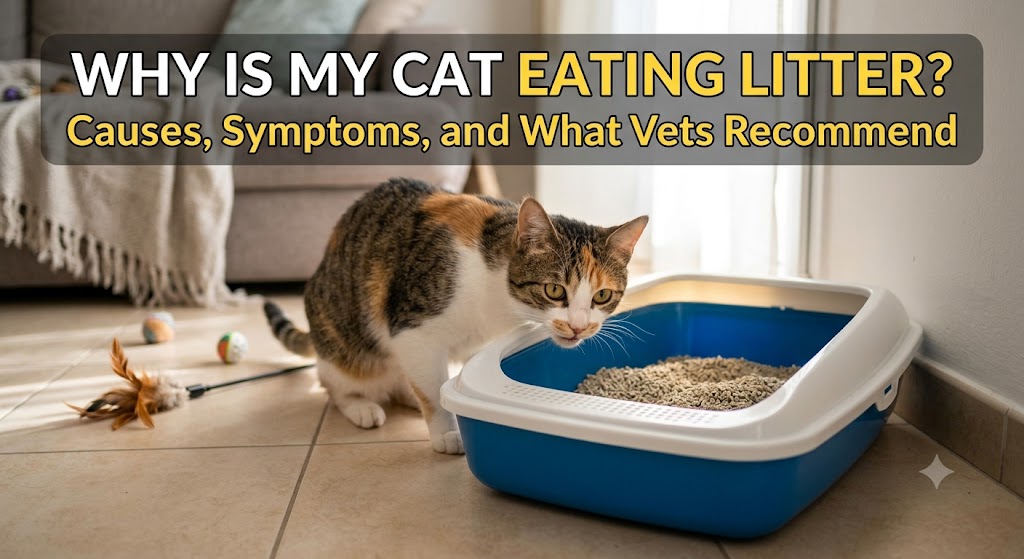
Cat owners assume that their furry friends should use the litter box for going to the bathroom and not for getting some snacks. Hence, if you are faced with a similar situation when your cat chews or eats litter, you might be shocked by such behavior. Indeed, if you are wondering why my cat is eating litter, you are not alone in this. This behavior can be caused by different factors, starting with curiosity or boredom to something more severe.
The Causes Behind Litter Eater
Eating litter is not seen as a normal activity for cats. Kittens can occasionally explore objects and put anything into their mouths; however, grown cats do not engage in such actions regularly. In case your cat frequently chews litter, veterinarians refer to this as pica. Hence, understanding why it happens can be crucial to ensuring your pet’s well-being.
What is Pica in Cats?
Persistent ingestion of non-food items is called pica. Pica can cause cats to chew and ingest plastic, fabric, paper, cardboard, rubber, dirt or litter. Also, behavior may become more or less severe over time or suddenly emerge. Owners should be wary of their cat persistently seeking and eating non-food items, as this can indicate a problem. Pica is not a disease condition, but rather a symptom of some underlying condition.
If your cat suddenly starts eating litter, what could cause this behavior?
Many owners are especially worried when the behaviour occurs out-of-the-blue. It’s a valid question to ask whether your cat has been eating litter after months or years of normal behavior. Sudden changes are usually a sign of medical issues, malnutrition, stress or environmental changes. Therefore, any cat that suddenly starts to eat litter should be closely watched and may need a veterinary examination.
Curiosity in Kittens It’s common for young kittens
At this point of the developmental process, they might try littering just because it’s new and interesting. Also, kittens are still developing their sense of taste. Therefore, dribbling or litter tasting may be a normal occurrence in very young cats and not be concerning. But it is still important to check with a vet about any continuing litter habits.
Nutrient deficiencies and consumption of litter
The most frequent medical theory is that litter eating is caused by some nutritional deficiency. When the body is missing a nutrient, sometimes strange cravings occur. Also, mineral or vitamin deficiencies can lead to a cat’s desire for items that are not a part of its diet. When assessing pica-related behaviors, nutrition is typically assessed.
It is possible that anemia is a possible cause
Anemia is a condition in which the body doesn’t have enough healthy red blood cells. Anemic cats may have a strange appetite, such as eating litter. Also, cats that are affected might feel weak, tired, or pale, and might not be as active as they are usually. So if you see any of these symptoms and it seems like they are eating litter continuously, it should be cause for concern and should be investigated by a vet to check blood health.
Iron Deficiency and Abnormal Cravings
yet it can lead to abnormal eating habits. Non-food substances are things that cats develop cravings for when they have a nutrient imbalance. As a result, sometimes, litter consumption is set as a red flag for the need for nutrition evaluation. Finding the right diet can resolve nutrient deficiencies.
If you find that your cat is eating litter and losing weight, why is this happening?
If the owners ask what could possibly be wrong with their cat if they observe that their cat is eating litter at the same time as the cat is losing weight, it’s even more critical to investigate medical issues. Weight loss and pica can be a sign of digestion problems, metabolic issues, malnourishment or chronic diseases. Therefore, it is important that the veterinarian assess the animals to make sure both symptoms are caused by a significant health problem.
Gastrointestinal Disorders
Unusual eating habits can be a symptom of digestive system disorders. Additionally, a cat may be nutritionally inadequate even though they’re eating enough food due to problems with nutrient absorption. Some cats will therefore start eating the wrong food, like litter. Also, anorexia, diarrhea, vomiting, and weight loss frequently follow GI disease.
Inflammatory Bowel Disease
IBD or inflammatory bowel disease refers to long-term inflammation of the intestines. This causes inflammation which disrupts the absorption of nutrients and digestive activity. As a result, affected cats may experience unusual behaviors such as weight loss, vomiting and diarrhea. Early diagnosis and treatment can help improve comfort and minimize long-term complications.
Intestinal Parasites
Parasites can steal vital nutrients from cats and cause irritation to the digestive tract. As a result, infected cats may occasionally exhibit odd feeding habits. Also, parasites can lead to weight loss, dull coats, diarrhea and lethargy. Fecal testing and preventive measures can help prevent health problems associated with parasites.
Diabetes and Metabolic Disorders
Some metabolic disorders affect eating habits and nutrients. For instance, diabetes impacts the ability to use nutrients and energy. As a result, a few diabetic cats develop abnormal eating habits or unusual eating patterns. Also, thirst, weight loss and a lot of urination are often present. When metabolic disease is a possibility, a veterinary diagnosis is critical.
Chronic Kidney Disease
Older cats have a tendency to develop kidney disease that can cause pica-like behaviours. As the kidneys deteriorate, the build-up of toxins can have a negative impact on appetite and wellbeing. As a result, some cats start eating strange items. Also, kidney disease can cause thirst, weight loss and decreased energy levels. Good early treatment often leads to better quality of life.
Stress and anxiety related behavior
Physical illness is not the only reason for litter eating. Feline behavior is similarly greatly impacted by emotional stress. Anxiety can be caused by change in routine, new pets, house moving, construction noises and new guests. As a result, certain cats respond to stress with repetitive behaviors, such as eating litter.
Inadequate mental stimulation and boredom
Mentally stimulating cats are healthy and active cats. In the absence of adequate stimulation, some cats develop odd behaviors to pass the time. As a result, sometimes boredom can play a role in pica behaviors. Interactive toys, climbing, puzzle feeders and frequent play activities provide mental challenges that decrease unwanted behaviors.
The Behavioral Disorders of Cats
Behavioral Disorders in Cats. Some cats become compulsive after the initial cause is removed. These behaviors can involve overgrooming, sucking on cloth or eating litter. Therefore, sometimes interventions aimed at changing behavior are necessary in addition to medical evaluation in cases of persistent pica. Veterinary behaviourists can assist in identifying triggers and in providing appropriate management.
Eating Litter is not safe?
This is much related to the type and quantity of the litter ingested. Small amounts can pass through the digestive system without causing any concern, amounts larger than this can cause serious health problems. It is therefore important to never overlook repeated litter ingestion. Knowing what to expect enables owners to value early intervention.
Digestive Blockages and Obstructions/Injuries
The most dangerous of the risks that litter poses is intestinal blockage. Some litter can become sticky and can swell in the stomach. As a result, obstructions can form, blocking the flow of food and waste. In these instances emergency veterinary care and/or surgical correction may be necessary.
Clay-Based Litter Risks
Clay litter is one of the most popular types of household litter. But, eating clay litter may lead to stomach upsets and constipation. Also, the clumping varieties are at a greater risk as they absorb moisture and expand. This means that cats which keep going back to clay litter should be rushed to the vet immediately.
Dangers of Silica Crystal Cat Litter
Although silica litter is effective at absorbing moisture and masking odor, there could be irritation in the gastrointestinal tract if ingested. Moreover, large amounts might cause further stomach problems. Thus, silica litter should also be regarded as dangerous due to repeated ingestion.
Signs of Problems with Eating Cat Litter
It is possible that a cat who eats its litter will not exhibit any signs of being ill right away. But these signs will manifest once complications arise from it. These include vomiting, constipation, diarrhea, decreased appetite, pain in the abdomen, and lethargy.
Red Flags That All Cats Owners Must Look Out For
There are certain red flags relating to cats that all veterinarians talk about. They include continued consumption of litter, unexplained weight loss, constant vomiting, change in appetite, lethargic behavior, difficulty breathing, and presence of blood in urine or feces. Therefore, it is important to identify these symptoms so as to ensure prompt medical treatment.
Why Would a Cat Poop in the Litter Box?
If your cat has started exhibiting any litter box behaviors you should be aware of other issues too since they may have an effect on each other. This includes wondering why would a cat poop in the litter box because there could be various causes such as stress or digestive problems.
Identifying the Cause of the Litter Eating Behavior
For veterinarians, the starting point is conducting thorough clinical evaluations, which involve the physical examination and gathering a detailed medical history. Blood tests, stool analysis, urinalysis, and dietary assessments may also be prescribed. As such, diagnosing a problem provides the basis for effective management.
Possible Treatment Solutions Proposed by Veterinarians
Treatment approaches vary depending on the identified cause of the problem. Dietary changes and nutritional supplements may be required to address nutrient deficiencies. Diseases will be treated accordingly, while behavioral problems may warrant enriching the environment or reducing stress. Treatment of the condition therefore addresses the root cause of the problem and not just the symptoms.
How to Improve the Quality of Your Cat’s Diet
Cats must be fed a healthy diet for optimum health and well-being. This includes a balanced diet with enough vitamins, proteins, minerals, and other nutrients. Therefore, providing proper nutrition helps prevent cats from developing cravings because of deficiencies.
How to Enrich Your Cat’s Environment
Enriching your cat’s environment with enough toys and equipment reduces chances of her engaging in boredom behaviors. This includes interactive toys, climbing shelves, scratching posts, and play sessions.
Prevent Future Issues
Prevention starts with the regular visits to the vet and close monitoring of any behavioral changes. Apart from this, establishing a routine, feeding the animal with a well-balanced diet, and ensuring proper enrichment all promote good health. For this reason, preventive measures usually help avoid turning any small issues into larger health problems.
When to Call Your Vet As Soon As Possible
The veterinarian should be contacted right away in case your pet ingests a lot of litter or shows the symptoms of vomiting, swelling in the abdomen, constipation, extreme fatigue, difficulties with eating, and signs of pain. Furthermore, kittens and older cats might face bigger risks due to complications. For this reason, immediate action can usually help prevent emergencies.
Conclusion
To answer the question why does my cat eat litter, you need to know that this particular activity often shows that there is something more going on than just curiosity. Some of the possible causes include nutritional deficiency, anemia, various health issues, stress, boredom, and different diseases. By finding out the root of the problem and following some preventive measures, cat owners can ensure their pets’ well being.