Blog
Hernia in Cats Treatment: Causes, Treatment, and Prevention

The presence of strange lumps or swellings on your cat is something to be concerned about, as a pet owner. Most times, this might be attributed to a medical condition known as hernia, which is characterized by the protrusion of internal tissues and/or organs through a weak muscle/connector tissue. Hernia in cats treatment is one aspect that is very crucial, as timely diagnosis is associated with favorable results and reduced complications. Moreover, knowledge of causes, symptoms, treatment methods and prevention of this condition can help in making informed decisions regarding your cat’s health.
What is Hernia in Cats?
When the tissues/organs or fat pads push their way out of their place through an opening on their connecting muscle walls, then a hernia is said to occur. While hernias do not cause serious problems initially, in some cases, they enlarge, becoming quite dangerous. Also, hernias may occur in various parts of a cat’s body, depending on their underlying cause.
What Is the Likelihood of Felines Having Hernias?
It is possible for a kitten as well as an adult cat to develop hernias. A few cats are born with congenital conditions whereas some cats develop it later in life because of injuries. Certain breeds have a higher tendency towards developing hernias. Despite the fact that most felines can be treated, failure to detect it in time can cause complications. Regular visits to a veterinarian can prove helpful.
Feline Hernia Types
There are several kinds of hernias that can be seen in a cat depending on the part where they appear. The first type is called the umbilical hernia, and it occurs around the belly button. The second type of hernia, which affects a few cats, is the inguinal hernia, and it appears on the groin. Diaphragm affects the muscle separating the chest from the abdomen, making breathing difficult.
Treatment of Cat Hernia Varies According to Type of Hernia
In selecting the best treatment option for hernia in cats, a number of variables have to be taken into account, including the kind of hernia the patient is suffering from, its location, and its size. Some hernias may not need any treatment; however, when they involve large areas, surgery becomes necessary. Furthermore, other factors such as the age and general health of the cat should also be considered. These factors include the risk of the internal organs getting entangled.
Causes of Cat Hernias
Hernias in cats develop due to a variety of reasons, and one of the commonest causes is that of congenital conditions. In this case, the muscles do not close properly, hence leading to the formation of hernias in kittens. Other causes include physical trauma, which includes falls, motor vehicle injuries, and blows. Others may result from surgical complications, pregnancy, and old age.
Hernias in Kittens That Are Present at Birth
Some hernias happen very soon after birth. This happens because the kitten’s abdominal wall does not heal properly after the severing of the umbilical cord. Other types of congenital hernias will remain small and cause no complications, whereas others will get bigger with time. The regular checkups by your veterinarian will help you determine the need for surgery.
Acquired Hernias Caused By Trauma
Hernias caused by trauma are very common. Injuries due to falling, colliding with an obstacle, an animal attack, or any other accident might cause damage to muscle structures meant to keep the internal organs in place. Moreover, some trauma-based hernias appear instantly and often lead to serious internal injuries. Prompt medical help becomes crucial here because otherwise, the situation might get life-threatening.
Identifying Symptoms of Hernia in Cats
Different symptoms occur based on the type and extent of hernia in cats. Most cat owners discover that there is a small and soft lump in their pets. In addition, there are cases where cats experience pain, loss of appetite, low energy levels, breathing difficulties, or struggle to use the litter boxes. These symptoms get worse whenever organs are stuck inside the hernia.
Initial Symptoms That Might Need Hernia in Cats Treatment
Cats requiring treatment for hernias usually exhibit several symptoms that could indicate an underlying health issue. Some of these initial symptoms include slight swelling, strange postures, and discomfort in certain body parts. Other cats have shown low energy levels or become sensitive when they are touched on the part of their bodies with the problem.
Hernia Diagnostics in Cats
Hernias are usually diagnosed via physical examination. While doing so, the veterinarian examines the size, place, and content of the hernia. Moreover, additional tests like X-rays or ultrasound may be required to find out whether there is any involvement of an organ in the condition. Thus, the accurate diagnosis will help decide on the further treatment approach.
Importance of Using Diagnostic Imaging Techniques
The process of diagnostics is very important since the use of imaging procedures allows the veterinarian to have detailed information about the internal organs’ state. The X-ray will help to detect organ displacement, and the ultrasound will show soft tissue structure. In some complicated cases where diaphragmatic hernia is suspected, other diagnostic procedures may be required.
Surgery Required If Hernia Is Serious
Hernia repair through surgery continues to be the most effective way to correct a serious hernia. In surgery, the veterinarian puts back the tissues into the right place and repairs the damaged muscle area. Moreover, undergoing surgery also prevents possible future complications like organ strangulation and obstruction. It is easy for a cat to recover from surgery done before complications happen.
Techniques in Current Veterinary Surgery
There are different techniques available in modern veterinary surgery that can repair a cat’s hernia. Some may only involve using stitches to close up small openings, while others would require other materials to reinforce the large opening. Different surgical procedures also depend on the type and location of the hernia.
Your Cat’s Pre-Surgery Preparation
The preparation process begins even before surgery. Blood tests may be advised by veterinarians to gauge the patient’s health status and to assess any possible risks. Also, there might be directions related to fasting and the use of medication provided to cat owners. It is vital that all of these are adhered to strictly. The process of preparation has an important part to play in achieving positive treatment results.
Recovery After Hernia Surgery
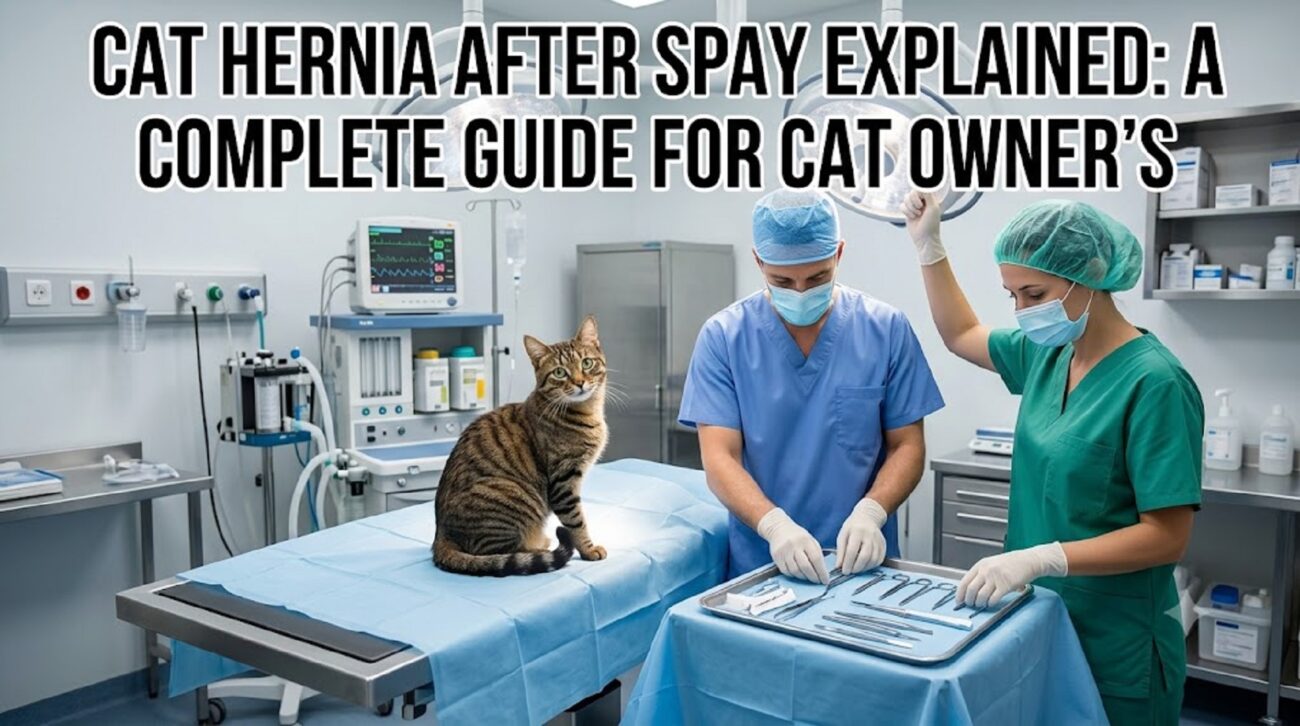
Correct care of the wound site is crucial to the success of wound healing following hernia repair. If you notice any inflammation, swelling, and discharge around the wound, you need to consult your vet. Understanding how to treat an open wound on a cat at home will come in handy.
Management of Pain Post-Procedure
The management of pain is important during the recovery process since veterinarians recommend appropriate medication which promotes comfort and reduces stress. In addition to proper medication, comfortable resting places and reduced physical activities assist in the smooth recovery of cats. It is recommended that owners do not give human pain medications to their pets as the majority are toxic to felines.
Monitoring the Cat
Continuous monitoring assists in identifying any emerging complications. It includes monitoring food intake, energy levels, bowel movements, and the condition of the surgical wound. In addition to these parameters, unusual swelling or constant pain must be reported to the veterinarian as soon as possible.
Hernia Complications
While treatment is usually quite effective, there are certain possible complications to take into account. Organ entrapment, reduced blood flow, infections, and recurrences can happen as possible problems. In addition, hernias that go untreated may worsen and make their correction more complicated. Being aware of such dangers helps motivate cat owners to turn to professionals.
Emergency Situations to Be Aware of
Some symptoms require prompt action from your vet. These include sudden enlargement of the area, pain, vomiting, difficulty breathing, and collapse. Trapped organs may lose their blood supply quickly, leading to an urgent condition. Promptness greatly increases the chances for a positive outcome in case of an emergency situation.
Hernia Prevention in Cats
It is not possible to prevent all types of hernia, especially congenital ones. But minimizing the chances of any kind of trauma greatly decreases the risk of developing acquired hernias. Also, keeping proper body weight and creating a safe environment indoors will greatly decrease the risk of injuries. In this case, prevention is considered one of the best methods to ensure optimal health of cats.
Creating a Safe Environment for Indoor Cats
The indoor setting poses less threat of injury to cats than an outdoor one. Secure windows, balconies, and other areas will minimize the risk of falls and injuries. Furthermore, proper play activities will make sure that the cat stays healthy and active indoors.
The Necessity of Regular Veterinary Checkups
Veterinary examinations are important for early detection. Small hernias might be missed by cat owners, but they are detectable during routine exams by vets. Besides, veterinary visits will help monitor the changes and suggest actions accordingly. Preventive health care will be the most beneficial thing for your pet.
Prognosis for a Cat After Hernia Surgery
In most cases, the cats that have undergone surgery are able to have an excellent result. The surgical treatment is highly successful; therefore, cats can lead a normal life even after surgery. Regular check-ups and adherence to vet guidelines will contribute to the further good health of the cats.
Living With a Cat After Hernia Repair
After full recovery, cats tend to return to their usual activities with almost no restrictions at all. Moreover, monitoring for any signs of unexpected swelling or abnormal behavior will be crucial. Besides, a healthy life style will positively impact the health of cats by helping build up muscles. Under proper medical supervision, most cats recover fully from this condition and live active and healthy lives.
Conclusion
As seen in this paper, there are a variety of hernias among cats starting with a simple health problem and ending with a complex medical one that needs to be urgently operated on. Being aware of what causes this ailment, its symptoms, diagnosis, possible treatment methods, and preventive measures helps pet owners to handle any situation efficiently and properly.