Blog
Why is my Cat Puking? Expert Answers and When to Worry”

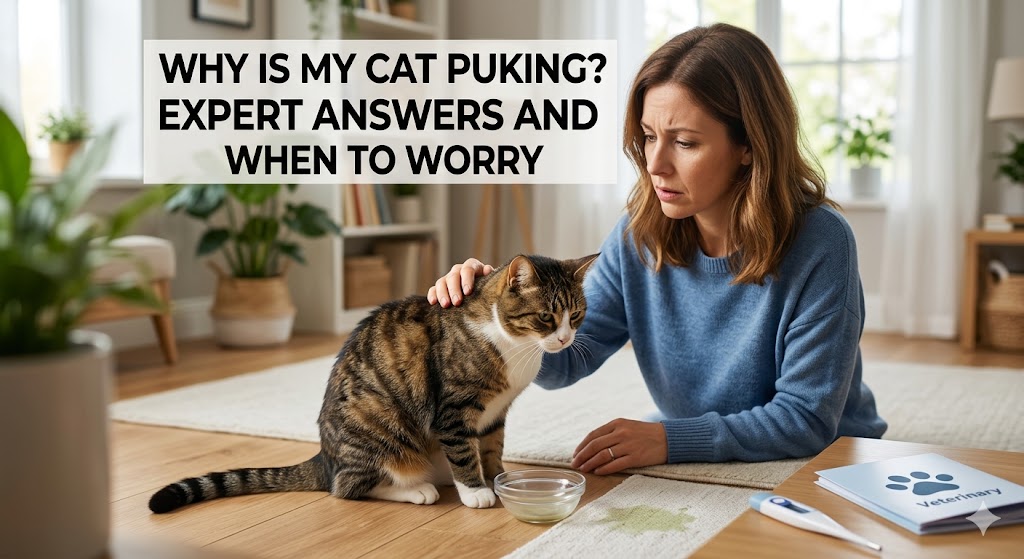
In many cases, cat owners end up asking questions like why my cat is vomiting following the discovery of cat puke in their living spaces or when they notice that the cat is behaving sick. In most cases, infrequent vomiting occurs due to benign issues like eating too fast or hairballs in cats. On the other hand, frequent vomiting may be a sign of severe conditions and must, therefore, be addressed by a veterinarian as soon as possible.
The Importance of Vomiting in Cats
It is worth noting that vomiting is not an illness, but rather a symptom of something else in the body. Vomiting serves as a safety response in the event of irritants, toxic substances, or potentially harmful things being ingested by the body. Apart from that, vomiting occurs because the organs of digestion become inflamed or diseased. While infrequent vomiting may not be alarming, frequent vomiting calls for immediate medical action.
Difference Between Vomiting and Regurgitation
The problem with many owners is that they do not know the difference between regurgitation and vomiting, but it is important for veterinarians to be aware of them. First, vomiting is characterized by abdominal contraction, nausea, and expelling of contents forcefully. Moreover, some cats might be drooling before vomiting, while some might be hiding or restless before the episode. In turn, regurgitation does not have any signs of abdominal contraction, nausea, and expelling; it is a passive process which includes undigested food soon after eating.
Occasional Vomiting and Chronic Vomiting
Vomiting does not always indicate an illness; sometimes, cats vomit due to hairballs or undigested food without any problems appearing. But chronic vomiting, as well as frequent vomiting, should receive proper attention since it might be dangerous because cats will become dehydrated and undernourished. Also, vomiting should be examined based on frequency, consistency, and related factors.
Why Does My Cat Throw Up After She Eats?
A popular query related to vomiting concerns why does my cat throw up after eating. This happens when a cat eats food too fast and it comes back up without being sufficiently digested. In addition to eating too quickly, abrupt diet changes, food allergies and digestive conditions may cause throwing up. Sometimes cats eat fast due to competition for food with other animals or because they are extremely hungry. Smaller and more frequent portions of food can help alleviate the problem, but vomiting needs professional attention if it persists.
Vomiting and Hairballs
Among the many reasons why my cat pukes, vomiting due to hairballs stands out as one of the most recognizable ones. Cats ingest some of the shed hairs during their grooming process, which pass naturally through the digestive system. Occasionally, large amounts of ingested hair may form hairballs inside the body and trigger vomiting. Long-haired breeds of cats usually suffer more from hairballs than short-haired ones.
Dietary Modifications and Food Sensitivities
Most felines have delicate digestion. Abruptly switching to another diet is likely to upset the stomach and make a cat vomit. In addition, cats tend to suffer from food sensitivities that will affect their digestive system. Typical signs of such conditions include vomiting, loose stools, itchiness, and altered appetite. When introduced to new foods in small portions, such problems may be avoided. If none of these strategies work and symptoms persist, elimination diets may help.
Consuming Strange Objects
Like any other creatures, cats are naturally curious animals. They frequently eat various odd things, which may lead to obstruction in the digestive tract. Apart from causing intestinal blockage, ingestion of strange objects may hurt the stomach and force a cat to throw up. In many cases, ingesting a foreign object is quite dangerous and requires urgent intervention. Cats should be taken to a vet immediately when vomiting is accompanied by severe abdominal pain or lack of appetite.
Parasites & Gastrointestinal Disease
Intestinal parasites in cats are very common and are known for causing gastro-intestinal disorders. Parasites such as worms can cause irritation to the lining of the GI tract resulting in vomiting, diarrhea and weight loss. Bacterial or viral gastro-enteritis could also be the cause. Appropriate preventive measures will keep these issues away. Regular checks-up from the vet will prevent diseases of this kind.
Why is my Cat Puking and Losing Weight?
When a pet owner asks the question of why is my cat puking and losing weight? Veterinarians get worried about possible diseases that might be affecting his pet. Chronic vomiting in combination with weight loss is indicative of some serious diseases, including inflammatory bowel disease, kidney disease, hyperthyroidism or even cancer. Also, gastrointestinal problems will negatively affect nutrient digestion and the overall state of health.
Kidney Problems and Vomiting
One of the commonest diseases among aging felines is kidney failure. With a decrease in the ability of the kidneys to function properly, waste products begin accumulating in the blood. In this case, nausea and vomiting arise. Other signs of kidney problems include excessive thirst, frequent urination, and gradual weight loss. Regular blood tests can detect kidney failure at an early stage. Ignoring vomiting when other symptoms of the problem are present is not advised.
Hyperthyroidism and Vomiting
This condition occurs in aging cats and usually leads to vomiting. It is due to an excess of hormones produced by the thyroid glands, which increases metabolic rate, putting pressure on several body organs. Besides vomiting, other symptoms associated with this disease are excessive hunger, weight loss, restlessness, and digestive problems. However, there are medications available for this illness.
Nausea Caused by Liver Disorders
The liver has a lot of roles such as detoxification and processing nutrients, but when the disease emerges, toxicity can build up and cause nausea and vomiting. Moreover, jaundice, appetite loss, and lethargy can be seen in cats with liver diseases. Since there are different degrees of liver disorders, an exact diagnosis is important for successful treatment and prevention of complications.
Persistent Vomiting
Owners who have pets that suffer from recurring problems tend to seek information on cat puking constantly. Knowing how to differentiate a problem of constant vomiting is very helpful as such a condition does not easily go away on its own.
Inflammatory Bowel Disease
IBD is a disease characterized by an inflammatory condition in the intestines. Inflammation in the intestines usually results in vomiting, diarrhea, changes in eating habits, and weight loss. Symptoms may also vary with time, making diagnosing the condition difficult. Proper dietary, medicinal, and other management approaches are usually effective in controlling the symptoms. Untreated cases of inflammatory bowel diseases can become severe and hence need the involvement of veterinarians.
Pancreatitis in Cats
Pancreatitis is a health condition whereby there is an inflammation in the pancreas. Cats suffering from the condition experience symptoms such as vomiting, lethargy, abdominal pain, and lack of appetite. Some cases may also result in weakness and dehydration. Depending on the severity, pancreatic inflammation can be dangerous to the wellbeing of the animal. Seeking immediate professional care will be crucial.
Toxin Ingestion and Poisoning
Ingestion of toxins constitutes a medical emergency. Various household products, drugs, poisons, and some foods might result in vomiting soon after consumption. Moreover, poisoning can quickly impact more than one body organ. Some symptoms include excessive salivation, shaking, lack of strength, convulsions, and trouble breathing. Seeking quick help from a vet when toxins have been ingested greatly improves chances of survival.
Other Symptoms Apart From Why Is My Cat Vomiting
Occasional vomiting does not necessarily suggest any serious underlying condition, but there are several signs that must prompt seeking help immediately from a veterinarian. They include vomiting blood, profound tiredness, dehydration, bloating of the abdomen, trouble breathing, and refusing to consume food. Furthermore, younger, older cats, as well as sick ones, are highly vulnerable to recurrent vomiting episodes.
Danger of Dehydration
Rapid dehydration is common with continuous vomiting, as electrolytes lose their balance due to the loss of fluids. Moreover, dehydration puts more strain on the body and its ability to heal. The signs of dehydration include dry gums, sunken eyes, weakness, and loose skin. A cat that loses too much fluid needs to be examined by a veterinarian.
The Role of Stress and Anxiety
Stress is known to cause digestive problems in cats as well. Changes in the home environment, traveling, adding a new pet, or other factors can lead to sickness. In addition, stress aggravates underlying disorders. Creating an environment that is stress-free usually alleviates the symptoms. Nonetheless, owners should not automatically think that vomiting is the result of stress.
Dry Heaving in Cats Explained
If you find yourself facing episodes where your cat seems to vomit without anything coming up, researching cat dry heaving is something that might be worth your while. Dry heaves may happen before a bout of vomiting, after a hairball episode, and even as a symptom of certain respiratory or gastrointestinal issues.
How to Diagnose the Cause of Your Cat’s Vomiting
Your vet has several tools in his arsenal to find out what is causing the vomiting problem in your cat. Physical exams, blood tests, urine analysis, x-rays, ultrasounds, and stool samples all play a part in diagnosing the cause of vomiting. Furthermore, diet and behavioral patterns also help eliminate the likely culprits behind your cat’s vomiting problems.
Vomiting in Cats: Treatment Modalities
Treatment is directly influenced by the root cause of the problem. For some animals, the remedy may simply involve a change in diet; for others, medicine, hydration, and even surgery would be required. Furthermore, supportive treatment can help to resolve the dehydration and lack of nutrition problems that have been observed. It is important to follow veterinary advice carefully in order to facilitate a better chance of recovery and future prevention.
Prevention of Future Vomiting Incidents
While not all incidents of feline vomiting are preventable, a number of preventive measures can help minimize the risks. These include feeding proper nutrition, providing plenty of water, keeping the animal from accessing any dangerous substances, and ensuring routine veterinary checkups. Grooming regularly will also eliminate hairball formation.
Conclusion
Vomiting is one of the most frequent problems faced by cat owners; however, the causes may range from simple irritation of the digestive system to more severe medical problems. Knowing what causes the cat to vomit will help you address the problem properly and consult the vet if necessary. Although some cases of vomiting do not indicate the presence of any serious health problems and thus do not need immediate attention, it is important to be careful and attentive.
