Blog
How Long Does it Take a Cat to Have Kittens? Know in 2026

Cat owners tend to be worried once they realize that their cats are pregnant, and one of the first questions that will come to mind is how long does it take a cat to give birth to its kittens. Knowledge about the pregnancy stages for a cat makes it possible for a pet owner to be prepared for giving birth, and also help the pregnant cat in a proper manner as well as taking care of her kittens.
Feline Pregnancy Process
Pregnancy in cats is a systematic development that starts from the mating process. After fertilization takes place, the embryos grow quite quickly in the uterine cavity. Moreover, hormonal adjustments in the feline body enable the cat to prepare for caring for its offspring. The process of pregnancy goes unnoticed by most cat owners since physical alterations start appearing gradually. Understanding the pregnancy development process, however, makes it easier to ensure the health of the pregnant cat.
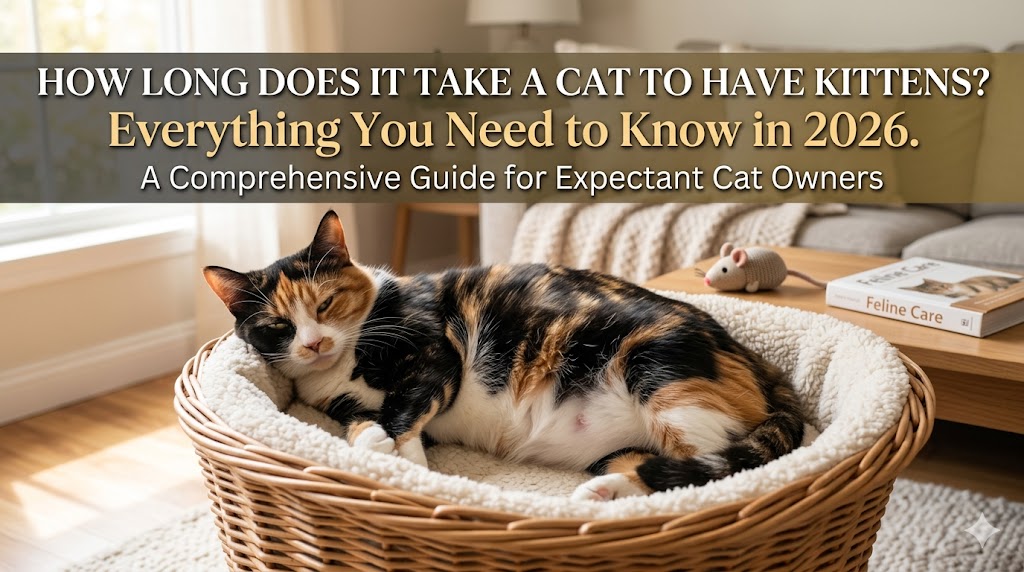
Cat Breeding
Females are capable of becoming pregnant soon after maturing sexually. For example, most cats will undergo their first estrous period at four to nine months of age. Moreover, in breeding seasons when mating does not take place, females can go into heat cycles many times. If mating is successful, then eggs will be fertilized and implanted in the uterus where embryos start developing. Being very prolific creatures, intact females can give birth to many litters in one year. Therefore, responsible reproduction is crucial.
How Long Does It Take a Cat to Have Kittens After Getting Pregnant?
The gestation period of an average cat is from 63 to 67 days long, and occasionally it takes 58 to 72 days. That is why there is no exact answer to how long does it take a cat to have kittens, as it usually happens in nine weeks’ time. Nonetheless, there are some factors that can affect this process like breed, litter size, genes, etc.
Signs of Early Pregnancy
During the initial weeks, signs of pregnancy may not be noticeable. Nonetheless, there are some signs that can indicate pregnancy at an early stage. Cats tend to become affectionate or, conversely, isolate themselves during the initial stages. Moreover, their appetite can be higher compared to normal because of the growing requirements. At around the third week of pregnancy, nipples enlarge and assume a pink appearance, which is referred to as “pinking up.” Some mild weight gain can also happen.
Veterinary Diagnosis of Pregnancy
A diagnosis from a professional becomes important as it offers useful information regarding the pregnancy. It can be carried out through physical assessment, ultrasound, and imaging among other methods. Besides the diagnosis, the cat’s developmental status can be assessed, which makes it easier for better management of the pregnancy. Pregnant cats need to visit the veterinarian early to get diagnosed.
Development of Fetuses During Pregnancy
The growth and development of kittens occurs at a rapid pace during the entire period of pregnancy. At an early stage, important organs and body parts start developing while there is also a considerable increase in the rate of growth during the latter part of pregnancy. During the later stages of pregnancy, kittens have been fully developed and ready for birth. The size of the abdomen continues increasing during pregnancy. Knowledge about the development of fetuses will enable owners to comprehend the need for providing proper diet and healthcare.
Diet During Cat’s Pregnancy
During pregnancy, the nutrition needs for a cat increase tremendously. The provision of high-calorie kitten foods is essential since it ensures that there are enough amounts of calories and nutrients to support healthy development. In addition, pregnant cats must be provided with clean drinking water all through their pregnancy period.
How Long Does It Take for a Cat to Give Birth to Kittens?
Most people wonder how long it will take for their cat to show pregnancy symptoms after becoming pregnant. While conception happens the day after mating, it is only after four or five weeks that physical changes will be seen. Also, abdominal enlargement will be more apparent in the latter stage of pregnancy. Consequently, even though how long does it take a cat to have kittens is estimated at about nine weeks, the appearance of symptoms is significantly faster.
Creating a Suitable Nesting Environment
Before giving birth, most cats will naturally seek out quiet and protected areas to do so. Setting up such a nest before she goes into labor ensures she feels secure throughout the process. Additionally, nesting places offer comfort for the cat through privacy. This should be set up in a warm and sterile place free from household disturbances. Preparing such a place ahead of time makes labor easier for her.
Indicators That Labor Is Imminent
There are several indicators that labor may be approaching. Restlessness, meowing, and increased affection are common among many cats. Nesting behavior tends to increase in intensity during the last few days before labor. Reduced appetite may be an indicator prior to labor. Many cats exhibit a tendency to groom the genital area as labor nears. It is important for owners to note these behaviors and be prepared for labor.
Three Phases of Labor
There are three main phases of labor. Phase one is characterized by dilation and contractions. Behavioral changes may also increase. Phase two involves active delivery of the kittens. Phase three involves expulsion of the placenta following delivery of each kitten. Knowledge of these phases is helpful in identifying normal labor progression. Most cats will deliver on their own without difficulty.
How Long Can a Cat Stay in Labor Having Kittens?
This is quite an unpredictable process for each cat. The birth can take from two up to six hours or even longer, especially when it comes to large litters. Moreover, the interval between delivering each kitten can be from a few minutes up to an hour and even more. Hence, depending on the litter size and many other factors, one can find out how long it takes for a cat to deliver kittens.
When You Need to Call a Vet
Most feline pregnancies result in smooth deliveries. Nonetheless, there are several situations where intervention from a vet is required. These include continuing contractions without producing kittens, heavy bleeding, prolonged labor, as well as lethargy and respiratory problems. This will help avoid any complications that can be dangerous both for a mother and her litter. Having contact information of your veterinarian beforehand can bring you a lot of benefits.
Taking Care of Newborn Kittens
For a few days immediately after birth, newborn kittens rely solely on their mother. Suckle feeding ensures that the kitten gets necessary nutrients and antibodies through colostrums and milk produced by its mother. Also, newborns lack an effective body temperature regulatory system; therefore, ensuring constant warmth is crucial. Close monitoring of nursing frequency and weight gain will help ensure healthy kittens.
Taking Care of the Mother Post Delivery
Taking care of the mother after giving birth is also important since she needs extra calories and fluids for milk production. Furthermore, keeping track of any signs that could indicate an infection or sickness in the mother is critical to ensuring that she is healthy. Generally, most mothers spend most of their time grooming and suckling their young ones.
Recognizing Symptoms of Pregnancy
Owners usually realize their feline is pregnant following various signs of pregnancy. This article entitled how can you tell if a cat pregnant? will further give you information about how to recognize the initial signs of pregnancy, development stages, and techniques to confirm it with a veterinarian. Knowing these symptoms enables you to start preparing for your cat’s delivery much earlier.
Variables Affecting Gestational Periods
Gestation periods vary depending on several factors. Some of these factors include differences in breeds, age of the mother, number of kittens, and her overall health condition. At times, it is possible that the pregnancy period of a first-time mother is slightly different from an experienced one.
Myths Associated with Cat Pregnancy
Several myths are associated with cat pregnancies. For instance, some individuals argue that all cats must have at least one litter before being spayed. This assertion has no backing from professionals. Moreover, there is the myth that pregnancy can always be recognized within the initial weeks. There is also the common belief that all female cats need help during birth. It is important for owners to understand facts concerning pregnancy to avoid making mistakes.
Avoiding Unwanted Litters
Avoidance of unwanted cat pregnancies is among the best methods of improving their welfare. By preventing cat pregnancy, owners eliminate the risk of experiencing complications related to pregnancies while avoiding other health conditions associated with reproductive issues. In addition, it is necessary to control breeding in order to prevent overpopulating of animal shelters and increasing the number of strays.
Future Reproductive Planning
In situations after pregnancy or during the course of making plans in regard to the long-term care of their cats, many cat owners become interested in the best time to neuter a cat male. This information helps them learn about the concept of controlling populations and the overall reproductive health of their cats.
Questions About Cat Pregnancy
Questions are asked by the owners of the cats about supplements that need to be provided, increased vet visits, and special housing during the period of pregnancy. Usually, proper nutrition and the advice of a veterinarian are enough to handle such conditions. Also, providing stability is essential because this decreases the chances of any complications from arising.
Behavioral Support for Expectant Cats
Pregnancy is known to affect behavior a lot. Many animals tend to become more loving and crave attention. At the same time, others may require silence and minimal contact from the owner. Moreover, hormones can play with animal activity, making them tired and inactive. Paying attention to these behaviors and supporting the cat’s choice will minimize stress. Comfortable, safe conditions and a consistent schedule benefit the mental state of an expectant feline.
Conclusion
By getting familiar with how long does it take a cat to have kittens, it becomes much easier to prepare for one of the major moments in a feline’s life. As the average gestation period lasts about nine weeks, the process passes rather fast. Being able to recognize the symptoms of pregnancy, give appropriate nutrition, and prepare for delivery, owners will be able to help the cat in every way possible.