Blog
Symptoms of Renal Failure in Cats: A Complete Guide

Kidney disease continues to be one of the most prevalent health concerns among cats, particularly senior cats. Due to the innate nature of cats that makes them conceal pain and any signs of illness, the disease tends to be overlooked by cat owners until it becomes quite severe. Recognizing the symptoms of renal failure in cats is essential in order to detect any existing complications early enough and thus obtain necessary medical attention.
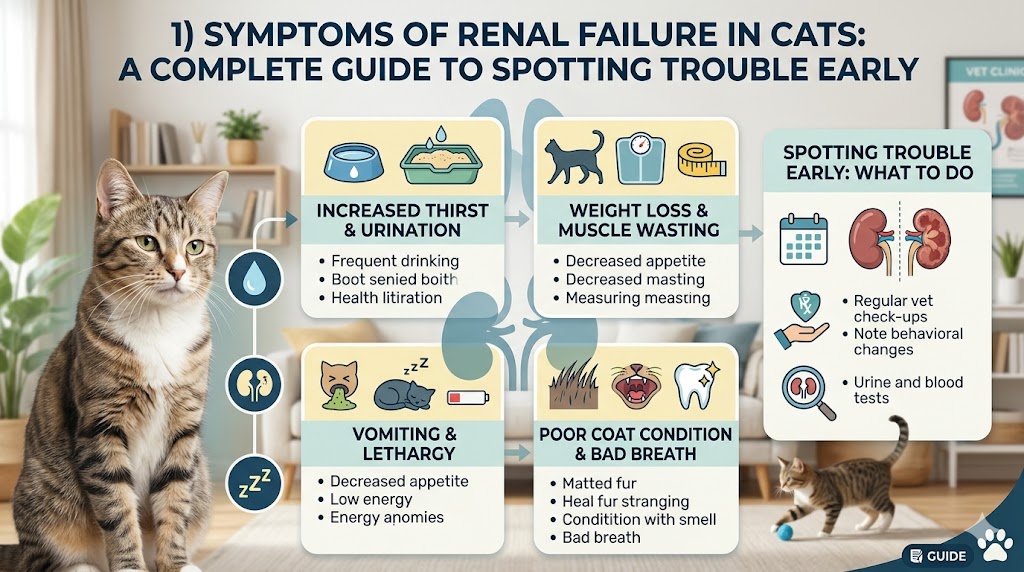
Kidney Functions in Cats
The main task of a cat’s kidneys is to perform some essential functions for health maintenance. They clean blood from waste, ensure correct fluid balance, regulate blood pressure, and support normal mineral levels in the organism. Moreover, kidneys participate in the creation of such hormones that affect bone formation and red blood cells production. In case of their dysfunction, toxins will start to accumulate in the body progressively. Consequently, pets will feel weak and dehydrated with digestion issues. Kidney functions awareness allows understanding how serious renal disease can be for the cat without treatment.
Symptoms of Renal Disease in Cats in the Initial Stage
Most early symptoms of kidney disease may seem insignificant and easily missed at first glance. For example, one of the initial indications for the disease is an increase in water consumption due to kidney failures in holding fluids. At the same time, cats usually have problems with frequent urination as well. Also, pets may start eating less food or losing weight. Changes in cat’s grooming and activity levels can also indicate kidney issues.
Increased Thirst and Frequent Urination
Among the typical symptoms that cats suffer from due to kidney diseases, there is a significant change in their drinking and urinating behavior. Cats with kidney problems drink more water and need frequent access to the water bowl. Also, litter boxes will be wet because the cat produces increased volumes of urine. This happens due to the fact that damaged kidneys cannot adequately concentrate the urine. It is crucial for cat owners to watch out for excessive drinking, especially among elderly cats since this symptom usually shows the emergence of various diseases and requires prompt action and a veterinarian’s consultation.
Weight Loss and Poor Appetite
Cats having kidney diseases typically face gradual weight loss issues. This occurs because of the toxins’ accumulation in their body causing nausea and decreased appetite. Cats’ refusal from the consumption of favorite food is another symptom since their smell and taste sensitivity are changed by illnesses. There might also be cases where cats face muscle mass loss. Cat owners need to observe closely their eating habits and the weight of their animals since unusual weight and appetite losses usually signal severe health problems.
Digestive Disorders
Digestive disorders are common in cats developing kidney disease. The presence of toxins in the blood stream usually causes irritation of the digestive tract and leads to nausea and vomiting. Moreover, certain cats suffer from diarrhea and constipation owing to dehydration and metabolic imbalance in the body. Constant vomiting will lead to rapid worsening of weakness and loss of appetite. Owners must monitor how frequently digestive disorders occur and whether they get worse with time. Regular stomach disorders, combined with changes in drinking behavior and weight loss, indicate an urgent need for examination and testing of kidneys.
Behavioral Symptoms Linked to Renal Failure in Cats
Behavioral symptoms are common in cats with developed renal failure. In particular, such cats usually become very calm and reserved as pain makes them inactive and less sociable. Besides, cats with kidney disease also show high tendency to sleeping and do not participate in any kind of games or interaction with the owner. Irritation and confusion may be seen when the disease reaches its final stage due to the impact of toxins on brain functions. Recognizing behavioral symptoms related to symptoms of renal failure is very important for the owners of cats.
Bad Breath and Mouth Ulcers
Many cats suffering from kidney disease tend to have foul breath, resulting from the toxins in their bodies. In some instances, the breath will be particularly strong, while others might smell like ammonia. Another common symptom of kidney disease is painful mouth ulcers that form on the tongue, mouth or gums. Cats suffering from this condition will have difficulty chewing due to the pain, which worsens their lack of appetite. When owners find that cats are drooling excessively or avoiding food for no apparent reason, they should examine their mouths. In addition to dental problems, kidney disease can cause many other symptoms, and cats exhibiting several of them should be taken to the vet as soon as possible.
Dehydration and Weakness
Kidneys play an important role in the regulation of fluid in a cat’s body. Kidney failure leads to a significant increase in the loss of fluids due to excessive urination, leading to dehydration even when cats drink plenty of water. Dehydration usually results in weakness, sunken eyes, dry gums and decreased elasticity of the skin. Some cats may experience difficulties walking and jumping due to extreme fatigue caused by severe dehydration.
Causes of Kidney Disease in Cats
Many factors might be responsible for causing renal disease in cats. Aging is the first important cause because renal capabilities decline with age. Infections, toxins, hypertension, and genetics might also harm kidneys and their functions gradually. Drugs and toxins can pose grave threats to cats’ kidney health too. There can be two types of renal diseases, either sudden (acute) or chronic. Cats can suffer from an abrupt attack of acute kidney problems when exposed to toxins. But some others can suffer from kidney diseases slowly for several years, which are chronic cases. If you observe any behavioral change or symptoms in your cat, consult your vet immediately.
Management of Symptoms of Renal Failure at Home
Managing symptoms of renal failure at home for cats is another crucial aspect of maintaining their well-being. For example, cats suffering from kidney disease need access to fresh water, which has a significant impact on their comfort and proper functioning of the kidneys. Additionally, prescription diets may be used to minimize the number of toxins in the body while promoting more favorable metabolism. Appropriate tracking of appetite, body mass, litter behavior, and activity level of cats is highly advised. Knowledge about the way how to manage symptoms of renal failure at home makes a substantial difference.
Diagnosis by Vets
There is a number of ways that veterinarians utilize when diagnosing kidney disease in cats. Blood tests may be conducted to analyze toxin accumulation and general kidney functions of pets. Moreover, urine tests provide information about the level of cats’ hydration and their ability to concentrate. Some specialists may prescribe ultrasound examinations or blood pressure monitoring to examine kidneys further. Testing early is important as it might detect diseases even before noticeable symptoms occur. Regular health check-ups are particularly vital for older cats because of their increased risks of diseases.
Kidney Disease Treatments
While it is not possible to fully cure chronic kidney disease, in many cases, the condition will progress much more slowly with treatment, and the cat will enjoy an improved quality of life. Special diets, medication, and fluids are some of the treatments that are prescribed by veterinarians based on the stage and type of the disease. Appetite enhancers and antiemetics will also ensure that your cat eats properly, while some patients may need treatment for hypertension or additional supplements. Regular checkups are absolutely necessary as this is a progressing disease.
Protecting Cats from Kidney Problems
Though it may not be possible in every instance to avoid kidney problems, certain preventive measures can definitely lower the risk substantially. For starters, ensuring that there is adequate nutrition along with fresh water will help promote better functioning of kidneys throughout the animal’s lifetime. Moreover, harmful substances, plants, and medications should always be kept out of reach of the cat. It is also helpful to get regular physical checkups done, so any underlying health problems can be determined in their early stages. Being aware of kidney failure symptoms in cats will also be beneficial when taking action.
Conclusion
A considerable number of cats are affected by renal disease, particularly in their old age. However, early diagnosis of the condition is key to effective treatment, which will help cats live comfortably for longer periods. Early diagnosis of kidney diseases is achieved through observation of symptoms such as excessive thirst, loss of weight, vomiting, and altered behavior. In addition, frequent visits to the veterinarian coupled with good care at home is a sure way of ensuring that kidneys remain healthy in cats.