Blog
Cat Cold Symptoms Explained: Every Cat Owner Should Read

By definition, a cat cold is characterized by an upper respiratory infection affecting the nose, throat, and possibly eyes of a cat. Despite common naming, it is mostly triggered by different viruses including feline herpesvirus and calicivirus. Moreover, bacteria may cause secondary infections aggravating the illness. It should be emphasized that cat colds are extremely contagious and easily transferred by sneezing or other kinds of physical contacts. Given their similarities to cold symptoms in humans, these conditions may be underestimated by the owners of cats. In turn, the failure to treat a cat cold may have very negative health effects on cats, particularly, kittens, aged cats, and those with weakened immune system.
The Early Symptoms of a Cat Cold
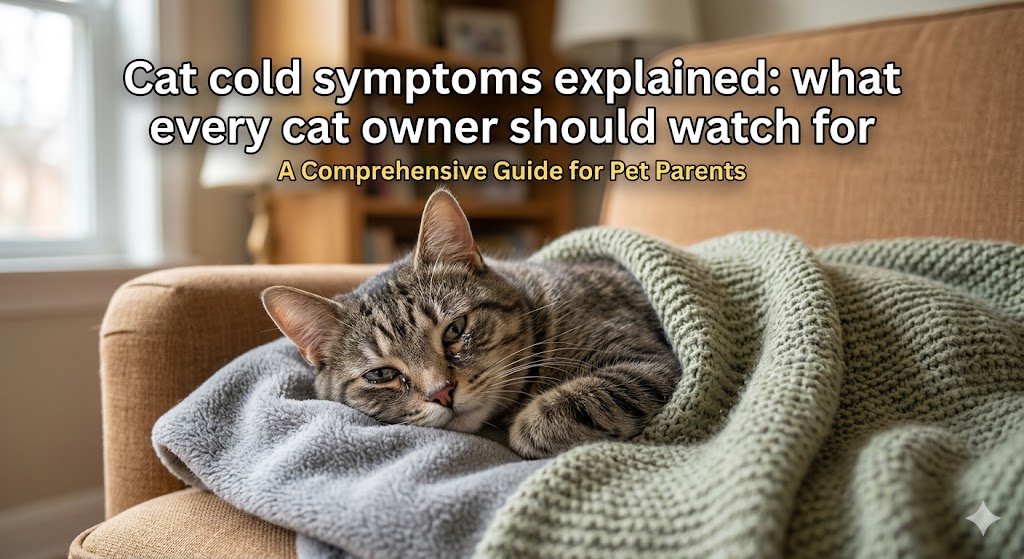
At the early stages, symptoms of a cat cold usually occur mildly, however, they should not be neglected. The first symptoms usually include sneezing, tears, and nasal discharge. Cats may also demonstrate signs of lethargy and excessive sleeping. Moreover, at the early stages of the development of the disease, cats may develop fever or lose appetite. The problem is that symptoms develop slowly which makes it difficult for owners to notice the disease.
Sneezing and Nasal Discharge
One of the most common cat cold symptoms includes sneezing, which usually occurs very often throughout the infection process. At first, sneezing may be occasional but can increase over time. Moreover, nasal discharge may initially be clear, but eventually turns yellow or green depending on the severity of the infection. Cats often scratch their noses with their paws because of the pain. Since breathing gets affected by congestion, cats may also make louder sounds while breathing. Observation of sneezing activity and nasal discharge helps to evaluate the condition.
Watery Eyes and Eye Infection
Another common symptom of cat colds involves the eyes being watery and teary. This is because an infection that affects breathing also causes eye infections. In more severe conditions, discharge can become sticky, affecting cat’s ability to keep their eyes open properly. Cat eyes may also be swollen, red, or irritated. Additionally, a cat may blink more often than usual and show intolerance to light. Considering that eye problems tend to develop quickly, owners need to monitor the eyes carefully and provide veterinary care if necessary.
Coughing and Respiratory Changes
While less frequent compared to sneezing, coughing in cats may occur if the viral infection becomes deep-seated in the respiratory tract. At the same time, breathing in some cases may be accompanied by noise or increased speed because of nasal obstruction. Severe cold cases may cause mouth breathing that requires prompt veterinary treatment. Since respiratory issues indicate a progressing cold, the owner should monitor breathing carefully. It is critical to pay attention to respiratory changes, as difficulty breathing indicates a severe case that requires immediate attention from a veterinarian. Without proper treatment, the condition may deteriorate leading to serious health problems such as pneumonia.
Appetite Loss and Lethargy
As a rule, cats suffering from cold experience appetite loss since nasal obstruction makes them unable to enjoy their food because of the inability to smell. Besides, lethargy may develop since the organism works intensively to fight infection. In severe cases, cats refuse to eat. However, it is essential to keep cats properly nourished as they depend on it critically for good health. To make cats eat, it is possible to offer tasty, warm, or soft food to them.
Fever and Body Weakness
Furthermore, fever could occur in cats with colds as another symptom. It occurs when the body fights the infection. The affected cats may feel warm when touched and appear weakened. Also, they will tend to isolate themselves more and avoid contact due to pain. This is because cats are creatures who usually tend to hide illness. For this reason, it is critical to monitor their behavior. In case the fever lasts for more than a couple of days, it would mean that medical attention will be required to avoid dehydration.
Risks of Dehydration in Cats With Colds
The likelihood of dehydration occurring to cats with colds increases as they will not consume food and fluids normally. Furthermore, fever and nasal discharge may lead to additional fluid loss. When dehydrated, some of the signs cats exhibit include dry gums, sunken eyes, and decreased skin turgor. For cats to recover, dehydration should be avoided at all costs. To do so, encouraging water intake is essential. Wet food may also be considered to promote hydration.
How Do Cat Colds Spread?
Cat colds are highly infectious and can spread from one cat to another via coughing, sneezing, grooming or through sharing common utensils such as feeding dishes or sleeping areas. Apart from that, there is a chance for the virus to remain active for some time on certain surfaces. Therefore, there is always a high risk of infections among cats living together in the same house. Cats living outside can also be exposed to other cats in shelters or animal colonies that carry the disease. Therefore, it is important to isolate cats once they develop a cold.
Stress and Its Effectiveness in Causing Cat Colds
It is considered as a major factor that weakens a cat’s immune system and predisposes the cat to infections. Stress can be caused by a change in the environment, addition of new cats, noise, or traveling. Stress can also cause a virus that might have been dormant in the cat to reoccur. Feline herpesvirus is a good example of such viruses. Therefore, symptoms may occur abruptly during stressful situations.
Kittens and Senior Cats at Higher Risk
Kittens may develop severe symptoms quickly due to underdeveloped immunity. Similarly, older cats may struggle with chronic health conditions that worsen infections. Additionally, dehydration and appetite loss affect these age groups more seriously. Therefore, owners should monitor them closely during illness. Early veterinary treatment is especially important for these cats. Proper care helps reduce complications and improves recovery chances significantly in high-risk feline populations.
When a Cat Cold Becomes Serious
A cat cold becomes serious when symptoms worsen or fail to improve after several days. Warning signs include difficulty breathing, thick nasal discharge, persistent fever, or refusal to eat or drink. Additionally, eye infections or extreme lethargy indicate that the illness may be advancing. Because respiratory infections can progress into pneumonia, timely action is essential. Owners should never ignore severe or prolonged symptoms. Seeking veterinary care early ensures proper diagnosis and treatment, reducing the risk of complications and long-term health problems.
Diagnosis of Cat Colds by Veterinarians
Cat colds are diagnosed by examining their noses, eyes, throats, and lungs for signs of any infection or inflammation. Blood samples or swabs can be performed in diagnosing the specific virus or bacteria causing the colds in the cat. Several factors could lead to cold-like symptoms; hence it is essential to make an accurate diagnosis. Veterinarians will also conduct other examinations to know the cat’s hydration level and general well-being.
Available Treatment Options for Cat Colds
The treatment options vary from one case to another, depending on the cat’s condition and the cause. Some mild cases need to receive supportive care that includes hydration and rest, alongside nutritional requirements. Antibiotics are prescribed when bacteria infect the cat. In severe cases, fluid administration, anti-inflammatory medications, or antivirals may be necessary. Humidification therapies can provide comfort for breathing difficulties caused by cat colds. It is imperative to take care of cat colds before they escalate into life-threatening complications.
Advice for Home Care of Sick Cats
Proper home care contributes to the treatment of cat colds. The owners must ensure that their pets have access to a warm, quiet, and comfortable place. Feeding them tasty smelling or soft foods is a good way to encourage them to eat. Cleaning the nose and eyes of the ill pet will help reduce their discomfort. Using a humidifier may also improve their breathing conditions. As water is an integral part of treatment, there should always be plenty of it. Do not give any human medications to cats because they may be toxic.
How to Prevent Colds in Cats?
Cats need proper care to prevent colds. In order to avoid cat colds, they must receive vaccinations, which will help them to build immunity to the most common respiratory viruses and avoid severe diseases. The food bowls, bedding, and litter box should be cleaned regularly to minimize exposure to infection. It is important to limit interactions between cats. Cats should not be exposed to stress because it reduces their immunity. Regular visits to a vet are also required.
Concluding Remarks on Cat Cold Signs
Cat cold signs might seem insignificant initially; however, they can easily escalate into something worse without immediate action. Among the critical signs of cat colds are sneezing, eye discharges, loss of appetite, and respiratory difficulties. It is crucial for cat owners to be aware of these symptoms to provide timely treatment. In addition, it is essential to consider that young and old cats need additional attention when it comes to health.
