Blog
Can Cats Get a Cold? Facts, Myths, and Safety Tips Explained

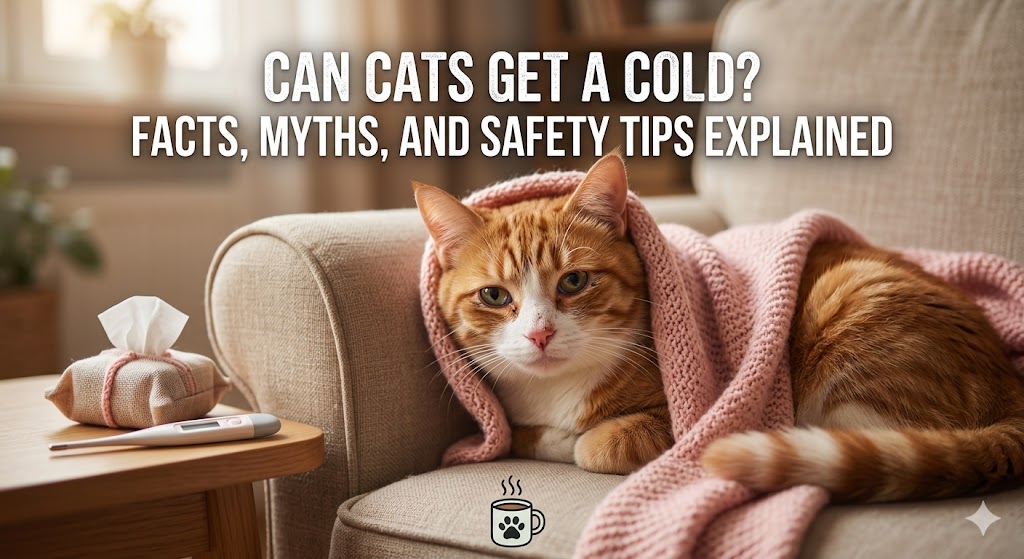
Yes, indeed, cats do get colds; however, cat colds do not have much similarity to human colds. Cat colds are mostly associated with some viral and bacterial infections and tend to affect the upper respiratory system of the animal. Also, cats who have been infected with something usually experience sneezing, runny noses, watering eyes, and even light coughing. Since these signs can be similar to human cold symptoms, the owners refer to them as such. However, cats cannot catch colds that humans usually suffer from.
Causes of Cold Symptoms in Cats
Feline colds are caused by viruses and bacteria and lead to irritation of a cat’s nose, throat, and eyes. Feline herpesvirus or calicivirus can be blamed for this trouble, since they are highly contagious, and they pass from one cat to another with sneezes, saliva, and contact with various objects. Moreover, overcrowding and stress can also increase the probability of contracting an infection. Kittens, old animals, and cats with weak immune systems can get colds more frequently than others.
Symptoms of Cat Common Cold
When cats have common colds, their symptoms tend to include several signs related to their respiration. Some of those include sneezing, runny nose, watering eyes, and sometimes even mild coughing. Sometimes cats become lethargic, experience loss of appetite, and even develop fever due to their immune system fighting off an infection. In addition, cats often become sensitive to smell because of the congestion. Since there can be differences in symptoms between cats, their owners need to be cautious about how they breathe, act, and eat. This will help detect the issue faster and not allow the infection to develop further.
Difference Between Cat Common Cold and Human Common Cold
Despite the fact that both human and cat colds are very similar, there are certain key differences between those two infections. To begin with, viruses of the common human cold rarely affect cats, while feline respiratory viruses only target cats specifically. Also, cats often suffer from such symptoms as eye discharge and heavy congestion, which is not the case with people. Besides, some feline viruses can stay in the organism for years and reappear later during stressful periods of time.
Can Human Beings Pass Their Common Cold to Cats?
Most types of colds in humans are not transmissible to cats, meaning that most of the time, the owner is unlikely to give his pet a common cold. Nevertheless, an individual may indirectly transfer bacteria or any other disease-causing agent to the pet through contaminated hands, clothes, or objects. Some illnesses can be transmittable between people and animals in exceptional cases. As a result, practicing hygiene in such instances becomes even more critical to prevent infections in cats who might be prone to breathing difficulties. Frequent hand washing and minimizing contact with the animal should be observed.
Will Cats Transmit a Cold Between Themselves?
The virus spreads quite easily due to its ability to move through droplets released during coughing and sneezing or from saliva and contaminated bowls. Thus, one infected cat can quickly infect several other individuals kept at home. Moreover, viruses can linger for some time on bedding and other items used by the infected pet, resulting in more opportunities to infect other cats. This problem can easily arise in households with multiple cats or shelters, where many felines are confined to small areas.
Indoor Cats Aren’t Guaranteed to Be Healthy Too
The majority of people think that their indoor cats can never be sick with colds. However, pets kept indoors can get infections too. For example, pet owners may bring infections indoors through clothes and shoes by touching infected animals in public places. Moreover, there is always a chance to acquire cold virus when adopting a new cat before any signs appear. Finally, poor ventilation and low immunity can also become factors that lead to infections. Hence, cleaning is always necessary for keeping cats healthy.
Stress Affects Feline Immune System Negatively
Infections affect the immune system of cats negatively, thus making animals more vulnerable to respiratory diseases. In case of stress caused by various factors (for example, moving into a new place or having visitors), the immune system becomes weaker, and cats can get sick because viruses inside the cat’s body will reappear. Besides, cats may have problems with eating and sleeping when stressed. In order to reduce stress, you should create comfortable surroundings.
Higher Risks for Kittens and Seniors
As opposed to adult cats, kittens and senior cats tend to develop more serious cold symptoms since their immunity works less effectively when it comes to fighting off infections. In particular, young kittens have poor defenses, whereas elderly cats suffer from chronic diseases. Besides, colds are often associated with dehydration, breathing difficulties, or problems with eating among vulnerable individuals. Pet owners need to pay particular attention to their pets during these episodes. Early veterinary care will allow one to avoid possible complications while ensuring a fast recovery. Warmth, adequate hydration, and nutrition are essential components of successful recovery.
Popular Myths about Cat Colds
There are various myths concerning colds in cats that do not benefit pets but only worsen their condition through delayed diagnosis and treatment. One widespread myth about colds in cats assumes that cats cannot get sick from colds. Another myth implies that it is safe to use human medicine to treat a cat’s condition, which may prove to be very dangerous for a cat. Some people are under the misconception that cats recover without any treatment. Due to the availability of the Internet, people tend to share wrong information.
When Does A Cat Catching Cold Become Serious?
In most cases, mild infections clear up within several days; however, without treatment, some infections may become serious in their progression. Some of the symptoms that indicate an infection is becoming serious include having breathing difficulties, being very lethargic, refusing food intake, having a high temperature, or discharging thick yellow mucus through the nostrils. Also, since cats are at risk of dehydration or rapid weight loss, they may experience both symptoms when failing to eat properly. Kittens and older cats have a very high risk of complications from their severe respiratory problems.
Methods Vets Use To Diagnose Feline Colds
Feline colds require careful examination of symptoms, medical history, and respiratory system of your pet to diagnose correctly. During this process, vets examine the nasal passages, throat, and the eyes and lungs of the cats to determine any infections present. Also, depending on the condition of the cat, your vet may perform blood tests, X-rays, or laboratory tests to confirm any possible virus infections. Since many other respiratory infections display similar symptoms, accurate diagnosis is vital in ensuring correct treatment of your pet.
Options for Treating Cat Colds
The chosen treatment is based on the intensity of symptoms exhibited and the cause of the disease. The veterinarian could prescribe antibiotics if bacterial infections occur in addition to viral infections. Furthermore, fluid therapy and the use of humidifiers along with appetites can help in recovery. In cases where there is severe congestion, cats may require decongestants or even nasal flushes. The owner should also ensure that the cat remains stress-free during recovery since stress makes cats less likely to heal. Careful adherence to veterinarian advice will help the cat heal faster with minimal health complications.
Safe Practices to Help Recovering Cats
Owners can create a safe space for their cats at home that will facilitate their healing process. Owners can offer fresh water and warm up the cat’s food so that it is easy for them to consume in case they are not feeling hungry due to congestion. Humidifiers or simply taking warm showers when they are being held by an owner can make breathing easier for the cat. Moreover, cat owners should ensure that they wipe eye and nose discharge regularly.
How to Prevent Colds in Cats
Proper hygiene, visits to veterinarians for regular examination, and stress minimization will aid in preventing colds in cats. First, it is crucial to vaccinate pets against common viral agents. Vaccination does not only help prevent colds; it also considerably reduces the severity of clinical symptoms. Second, cats should be provided with clean feeding dishes, litter boxes, and beds because this measure contributes to the prevention of cold development. Third, sick cats should be isolated because it helps prevent infections from spreading to other cats. Moreover, owners should avoid overcrowding and provide good ventilation in order to maintain a healthy environment.
Conclusion: Are Cats Prone to Cold Infections?
Yes, cats can get colds. It is essential for pet owners to know the basic facts concerning these diseases and know how to treat infections effectively. Even though many cases of cat flu are mild and resolve on their own, certain feline respiratory disorders may require treatment, which should be provided immediately. Identifying cold signs, avoiding myths about these infections, and attending regular veterinarian visits help keep cats in good health. Moreover, minimizing stress, using effective hygiene measures, and vaccination contribute greatly to preventing infections.