Blog
Cat Breath Odor: Everything You Should Know in 2026

Although some cat owners consider bad breath to be typical in cats, persistent bad breath is a symptom of other issues that need to be addressed. While some food odors may appear at times, foul breath odor shows either infection, dental diseases or problems with digestion. Besides, untreated oral diseases are associated with the development of severe complications that include infections, tooth loss, etc. Moreover, due to the nature of cats who tend to conceal discomfort, identifying the problem becomes difficult for owners. Consequently, noticing the odor enables owners to detect possible problems and ensure their cat’s health and comfort.
Normal Odor That Cats’ Breath May Have
The breath of healthy cats does not need to be fresh, although it should not possess any pungent smell. Usually, cats emit the odor caused by the food and bacterial activity. Nevertheless, foul breath odor means that there is an imbalance in the work of the body or digestive tract. In addition, any change in the normal smell should be analyzed because it can be a symptom of infection. As a result, knowing what breath odor is normal and abnormal can help in detecting health issues early.
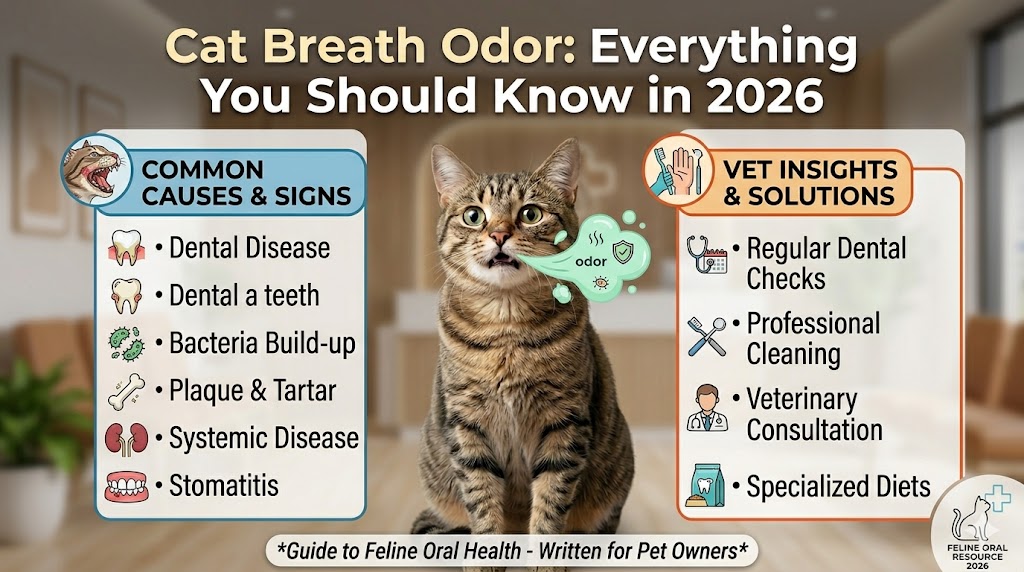
Dental disease as the most common cause
The accumulation of plaque and tartar on a cat’s teeth and gums is another primary cause of bad breath in cats. Hardening plaque results in irritation of the gum tissue, causing odors to emerge. The problem also triggers gum bleeding, inflammation, and intense pain when eating. Eventually, dental disease affects the health of cats’ teeth and transfers bacteria to other body parts. Due to the lack of symptoms at first stages, cats require frequent dental examinations. Oral hygiene helps prevent infections and improves cats’ dental health and breath quality.
Gingivitis and gum infections
The development of gingivitis causes the inflammation of the gums and, consequently, a foul odor in cats. As bacteria accumulate around the gum line, they lead to the redness, swelling, and irritation of gums. Moreover, without treatment, the condition may evolve into periodontal disease. Such a progression damages the gum tissue and causes tooth loss. In the case of gum infections, cats exhibit excessive drooling and difficulty chewing food. Thus, owners must examine the state of their pet’s gums. Proper dental treatment reduces gum inflammation.
Tooth Decay and Fractured Teeth
Tooth decay and broken teeth may be responsible for creating severe halitosis since bacteria will thrive within those spaces. Felines may fracture their teeth due to biting or chewing on solid items or getting hurt. Also, exposed nerves and infections will likely lead to a lot of pain which will influence the appetite. However, since cats tend to hide their pain, it might not be noticeable until owners realize there is severe halitosis. The condition should be diagnosed through oral examination and X-ray procedures by veterinarians. Prompt treatment will prevent more complications for the cats.
Food and Diet Influences Halitosis
The diet of felines will have an impact on breath odor since some foods will cause the production of bad odors in their mouths. Fish foods, inferior foods, and sticky foods will cause cats to develop halitosis since the odors will linger after eating. Poor nutrition can have a negative impact on the oral cavity of felines. Feeding the cat quality food is vital since it promotes healthy teeth and gums and proper digestion. Some dietary options even eliminate plaque formation when eating.
Breath Smell Caused by Digestive Disorders
Sometimes digestive disorders result in an odd breath smell since these illnesses influence the whole digestive system negatively. In case a cat suffers from acid reflux, indigestion, or other digestive diseases, its breath starts smelling sour or even foul. Moreover, vomiting and indigestion contribute to the development of bacteria in the mouth of the cat. Cats suffering from digestive disorders demonstrate certain signs of these illnesses, including decreased appetite, diarrhea, or even weight gain or loss. Thus, one must keep track of a cat’s eating behavior when it starts having a bad breath smell all of a sudden.
Breath Smell Caused by Kidney Diseases
The presence of kidney diseases in a cat often results in its breath smelling strongly like ammonia due to toxins developing within the bloodstream. As kidneys start failing to filtrate blood properly, the body’s condition deteriorates along with the state of the cat’s oral cavity. Moreover, felines with kidney diseases often tend to drink large amounts of water, lose weight, or appear lethargic and weak. Since kidney diseases usually occur among senior cats, regular check-ups in vet clinics are crucially necessary for these animals.
Diabetes and Sweet Breath
Some cats that have diabetes mellitus might have breath with a sweet or fruity smell because the animal’s metabolism cannot handle the regulation of its blood sugar levels. In case of insulin insufficiency, the body of a cat will use fats as sources of energy; therefore, ketones, which contribute to an unpleasant breath odor, are formed. Furthermore, animals that suffer from diabetes have increased appetite and drink plenty of water but urinate and lose weight at the same time. It is essential to consult a veterinarian immediately to prevent dangerous complications in the future and treat the disease effectively.
Oral Tumors and Other Causes of Breath Odor
The development of some types of cancerous growths in a cat’s mouth is another rare cause of an abnormal breath odor in cats. Because the tissues inside the mouth can get infected easily and develop problems, cats that have malignant formations in their mouth have a lot of other serious issues. Some of them include increased salivation, bloody saliva, difficulty swallowing, facial swelling, or tooth decay. Because mouth cancer can develop rapidly, it is necessary to diagnose it as soon as possible.
Other Signs Accompanying Bad Breath
Bad breath never comes alone since there are usually other accompanying signs related to an underlying issue, and a pet owner needs to keep watch out. Such signs may include drooling, scratching at the mouth, bleeding from the gums, lack of interest in food and problems with chewing. Furthermore, irritability or lack of proper grooming habits in cats might be a sign that the animal feels oral discomfort. Weight loss and excess thirst may indicate the presence of other health issues associated with bad breath. Since cats are masters of disguising their ailments, any change in their usual behavior should raise red flags to owners.
How a Veterinary Doctor Diagnoses Breath Odor
A veterinary doctor diagnoses breath odor by performing thorough oral examinations and studying a patient’s medical history. Specifically, doctors examine the pet’s teeth, gums, mouth, and throat for infections or any damage that occurred there. In some cases, doctors may order special tests such as dental X-ray and blood and urine examination to detect other possible underlying problems like kidney diseases and diabetes. Because bad breath is normally a symptom of an ailment, diagnosing its causes is critical for providing effective treatment.
Treatment Methods for Cat Breath Odor
Treatment methods will vary depending on the root cause of cat breath odor. Professional veterinary dentists usually carry out deep teeth cleans for removing any plaque and tartar that accumulates. Severely damaged teeth would require extraction as well. When cats suffer from diseases like kidney problems and diabetes, special treatment procedures apply to address their illnesses adequately. Antibiotics and other types of medication can be useful for lowering pain and treating infections. Professional treatment contributes to improved breath odor alongside healthy eating behaviors and overall wellbeing.
Home Dental Care Routine for Your Cat
Dental care at home is essential for preventing cat bad breath and ensuring oral hygiene. It is necessary to brush your cat’s teeth using cat-specific toothpaste. There are other helpful options to consider such as dental treats, oral rinses, and dental toys. You must teach your pet to enjoy the process and make dental hygiene routines fun. Regular grooming sessions would enable you to keep track of your pet’s teeth’ state.
Prevention of Cat Breath Odor
Preventing odor involves taking care of your cat’s dental health by brushing its teeth regularly, providing fresh water daily, feeding healthy food to it, and having routine veterinary check-ups. In addition, annual veterinary visits can aid in detecting diseases such as kidney failure, periodontal, and tooth decay. It is best not to give harmful food to your cat since it might lead to bad breath and cause tooth decay. It is best to prevent such diseases since treating them might be painful to both the cats and their owners.
Conclusion
It seems that the topic of cat breath odor can be considered trivial; however, cat owners should pay attention to this matter because the bad odor can indicate many diseases such as dental, digestion issues, kidney problems, and even diabetes. Therefore, in order to ensure the healthy state of their pet, cat owners need to pay attention to its breath odor and take necessary measures to prevent any possible problems.
