Blog
Can Cats Catch A Cold? What The Research And Vets Actually Say

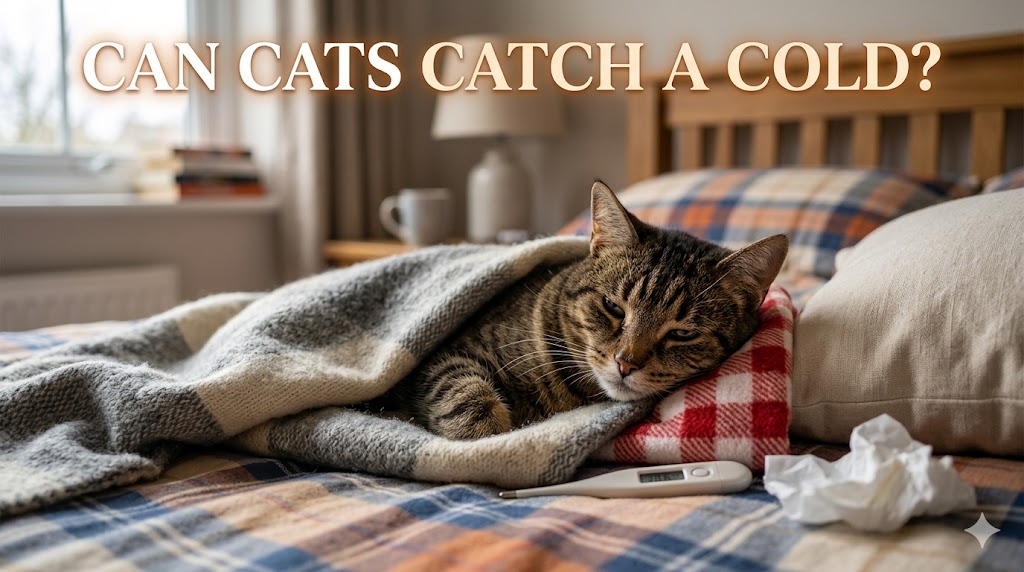
It can be concerning for many cat owners when they notice their pet sneezing, coughing, or having teary eyes. All these conditions have a resemblance to the common cold found in humans, hence raising a critical question of whether cats can contract colds. According to research and advice from veterinarians, cats can indeed suffer from cat colds. The cat cold is an illness similar to the common human cold but different in some aspects. In most cases, cat colds are upper respiratory diseases that occur due to virus and bacteria infections that transfer from one cat to another.
What is a Cat Cold?
The term cat cold generally refers to an infection on the upper respiratory tract of the cat, including its sinuses, mouth, nose, and pharynx. Many veterinarians consider it synonymous with the human common cold since most symptoms show similarities. In some cases, feline upper respiratory infections tend to escalate to become life-threatening if not handled. Furthermore, feline respiratory infections come about due to viruses rather than environmental temperatures. Also, respiratory infections among cats are contagious since they spread from one cat to another within shelters, multi-cat homes, or catteries.
How Do Colds in Cats Happen?
Studies show that the majority of cat colds occur due to viral infections. The two primary causes include feline herpesvirus and feline calicivirus. These viral pathogens are transmitted via saliva, sneezing droplets, eye discharge, and any contaminated object. In addition, bacterial infections may accompany other illnesses, leading to even worse symptoms. Moreover, stress is an essential factor because it suppresses the immune system, making latent viruses activate. As a result, stressful events, like being in the pet hotel, adopted, or treated at a clinic, can cause colds in apparently healthy pets.
Symptoms of the Most Common Cat Colds
As mentioned above, feline respiratory illnesses can have similar symptoms to human colds. First of all, cats experience sneezing, watery eyes, and nose discharge. Other signs include congestion, coughing, fever, lethargy, and lack of appetite. In more advanced cases, the infected cats suffer from mouth ulcers and make loud sounds during breathing. The reason is that animals use their smell organs intensively while eating. As a result, they can lose their appetites almost immediately due to congestion. It is vital to watch closely the eating behaviors of your feline friend in case of respiratory symptoms.
Can Feline Colds Spread to People?
Feline colds are highly contagious and easily spread between cats. The respiratory virus is transmitted through coughing, grooming, sharing food bowls, beddings, and direct contact. Cats residing in densely populated spaces have the greatest exposure because the infection is quickly passed amongst groups. Besides, there is always the possibility of humans unintentionally transferring infectious particles from one cat to another through contaminated clothing or hands. It is worth noting that feline cold viruses seldom affect humans. Therefore, pet owners cannot “get” a cold from their cats despite taking adequate precautions against cross-infection within the household.
Do Humans Get Colds From Their Cats?
One of the common queries posed by many individuals relates to the ability of humans to transmit a cold virus to their cats. Human cold viruses rarely infect cats since feline respiratory infections originate from a completely different organism. Nonetheless, scientists are still researching specific viruses that might affect multiple hosts occasionally under exceptional conditions. While people’s cold viruses hardly spread to cats, pet owners need to keep away from direct face-to-face interactions when unwell. Moreover, keeping the hands clean and avoiding any form of stress helps build the cat’s immune system.
Risks Associated With Kittens and Older Cats
A kitten or an old cat is at risk because its immunity system is not strong enough. A young cat may not have received vaccinations; hence, it becomes ill when exposed to infection-causing agents. Elderly cats may have some health problems that complicate the healing process. Cats suffering from health conditions such as stress, malnutrition, and other diseases develop symptoms quickly. For this reason, the vet recommends seeking medical attention immediately if the vulnerable cats exhibit signs of respiratory problems, sneezing, coughing, lethargy, or loss of appetite since complications may arise fast without any supportive treatment.
Duration of a Cat Cold
Most common cat cold infections resolve on their own in a span of one to two weeks. However, some viruses remain dormant in the cat’s body throughout the rest of its lifetime and flare up whenever the immune system becomes weak due to stress, malnutrition, or any other factor. Herpesvirus infections among cats fall under such infections. Moreover, some viral infections may cause secondary bacterial infections that lead to longer durations. Hence, cat owners should not conclude that all cat cold infections disappear quickly.
Indicators That May Call for a Vet
While some colds in cats are not too serious, there are several signs that require immediate veterinarian intervention. Difficulties in breathing is the most serious indicator because it leads to respiratory failure very quickly. Moreover, cats refusing to eat food for over twenty-four hours risk developing fatal issues in their livers. Thick yellow or green discharges, extreme tiredness, dehydration, or high temperatures also indicate a deteriorating situation. Hence, the owner should never overlook worsening symptoms lasting more than several days because the infection can progress to pneumonia and other conditions that require prompt medical help.
Diagnosis of Cat Colds in the Vet
A cat cold is usually diagnosed by physical examination and observation of clinical features. Sneezing, watery eyes, nasal congestion, and sore mouth can be used to diagnose the disease. In severe and repeated cases, laboratory testing may be required to distinguish between viruses causing problems. For example, PCR testing will enable the detection of a feline herpes virus or a calicivirus, which causes a variety of illnesses in the respiratory tract of cats. Chest X-rays may also be done in some cases to detect the presence of pneumonia.
How Are Feline Colds Treated?
The treatment methods vary depending on the severity and cause of infection. In minor infections, the cat will benefit from supportive treatment such as hydration, sleep, feeding, and warmth. Antibiotics may be given in some cases where bacterial infections have arisen along with viral illnesses. Furthermore, antiviral drugs, eye drops, and nasal medications may be considered in severe conditions. Dehydrated cats or those having breathing issues may need to stay in hospitals for intravenous fluid administration. Since there is no known cure for viral respiratory infections, the focus of treatment will be symptom alleviation.
Home Remedies That Will Aid in Recovery
Creating a warm and stress-free environment at home can aid the sick pet. The cat will feel better with warm bedding and easy access to drinking water to facilitate natural healing. Feeding smelly wet foods to the cat may encourage appetite. This is because nasal congestion will interfere with the cat’s sense of smell in recognizing its meals. Humid air can help alleviate nasal blockage and improve breathing capacity in some cases. Nonetheless, it is advised that owners do not use any human cold medication since some are very dangerous for the cat.
Can Vaccines Stop Cat Colds?
Cat vaccines work very effectively in preventing many respiratory diseases. Typically, vaccines cover herpesvirus and calicivirus – the top causes of cat colds. Yet, even a vaccinated cat can get sick from time to time. On the bright side, vaccination allows an animal to cope better with the infection as it will be milder compared to cases where no immunization was administered. Thus, it is highly important to have vaccinations kept up-to-date in order to ensure the cat is protected. This measure will greatly help prevent cat colds in the future.
The Role of Stress in the Development of Feline Respiratory Disease
It turns out that stress is one of the major factors affecting cat respiratory tract health. The stress experienced by an animal may lead to a weak immune response. As a result, previously dormant virus becomes active, and the animal starts to show symptoms of illness. For instance, sudden moves to another house, boarding procedures, loud noises, new family members, veterinary care, and other similar events may cause sudden onset of symptoms. Besides, a cat herpesvirus is always present in its body but remains dormant until the cat experiences stress.
Research Regarding Chronic Carriers
Many studies suggest that cats suffering from feline herpesvirus may be chronic carriers. Despite the absence of symptoms, the virus can reside within the organism forever. Moreover, cats may spread the virus during episodes of illness or increased stress levels. In addition to that, there is also evidence proving that some cats may have a lifelong problem with sneezing and irritations due to the consequences of viral infections that affect their lungs and nasal cavities. As a result, the owners of such animals need to understand that complete recovery does not mean total protection.
Myths and Misconceptions Concerning Cat Colds
There are multiple misconceptions associated with cat colds that can lead owners astray. First of all, some pet owners believe that cold weather triggers infections since they do not know that viral diseases and bacterial infections are the cause of such conditions. Another misconception is that sneezing indicates an allergic reaction. However, infections are quite common among cats, which leads to misperceptions. In addition to that, some people tend to think that indoor cats do not catch colds, and infections can occur due to new items or cats within the house.
Common Experiences by Cat Owners on Reddit
A wide range of experiences posted by cat owners include stress-induced flare-ups of symptoms following trips to the vet, staying in boarding facilities, or adopting new kittens. On Reddit forums, users share stories of sneezing, tearing, and nasal congestion that can be alleviated through supportive treatments. Other people have experienced recurring episodes of symptoms from chronic feline herpesvirus during stressful events. Although personal testimonies should not be equated with scientific knowledge, it is apparent that respiratory infections are prevalent in pet cats globally. In light of this fact, community-based discussions always support the expert recommendation to vaccinate pets, manage stress, and seek veterinary assistance when symptoms persist.
Final Verdict: Can Cats Catch Colds?
Absolutely, cats can suffer from cold-like conditions caused by viruses. In medical terminology, these conditions are called upper respiratory tract diseases, and feline herpesvirus and calicivirus are responsible for the majority of cases. While most respiratory infections are relatively harmless, they may become serious and threatening without adequate measures for prevention and control. Thus, owners need to pay attention to symptoms such as sneezing, congestion, loss of appetite, and difficulties breathing.