Blog
Can Cats Eat Coconut Oil? The Answer Cat Owner Should Read

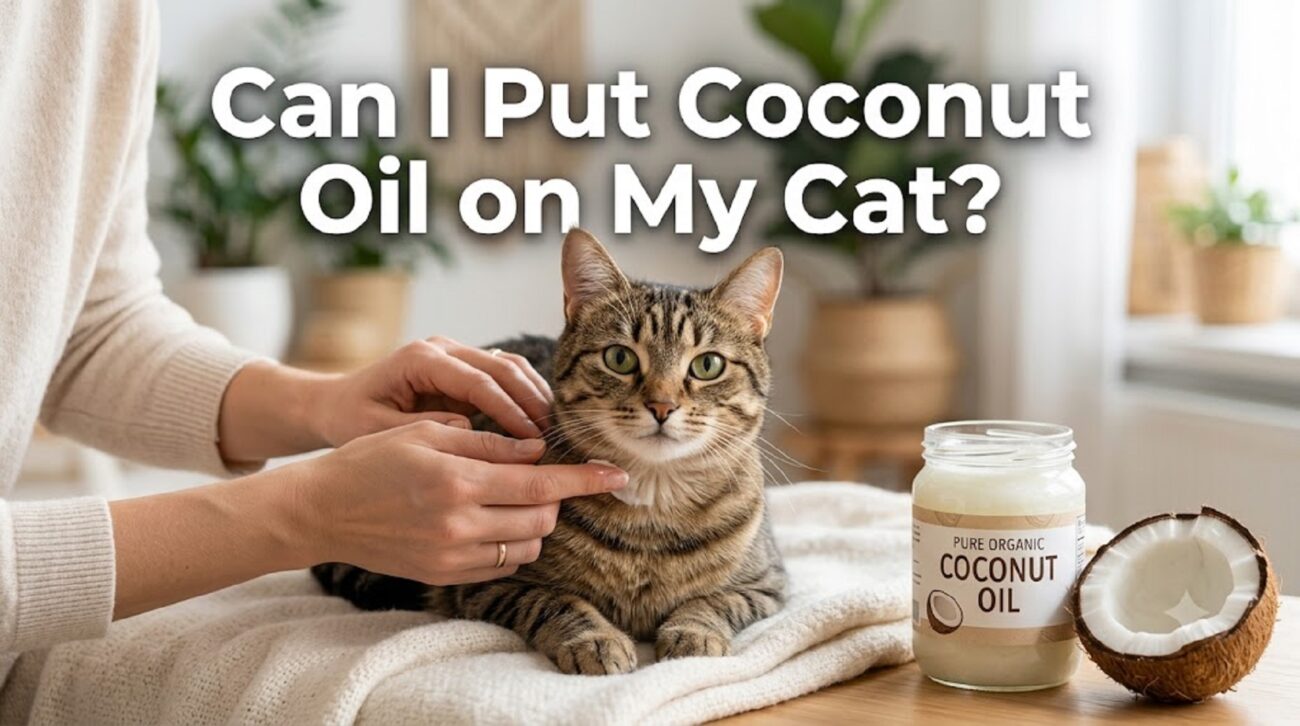
There are numerous people who love their cats and seek to make sure that they lead healthy lives. In the process, they always look out for products or ingredients that can help them improve their cat’s health status. This has led to increased interest in coconut oil among cat owners since it has been used to help cats with dry skin, hairballs, and immune systems. However, there are pros and cons associated with this oil. You should be aware of these before you decide to incorporate the oil in your cat’s diet.
What Is Coconut Oil?
Coconut oil is derived from mature coconuts that contain high amounts of saturated fats known as medium-chain triglycerides. Unlike most types of oils, this fat is easier to digest in the body. The unique nature of coconut oil has made it highly sought after in human health and wellness industries. Another factor that makes it useful is the presence of lauric acid, which has antibacterial and antifungal characteristics. Despite the popularity of coconut oil on various blogs, its effectiveness for cats has not been established scientifically.

Can Cats Eat Coconut Oil Without Risk?
Yes, cats may eat a small quantity of coconut oil in almost all cases. Most veterinarians view it as non-toxic to cats provided that coconut oil is consumed correctly. However, safety does not necessarily indicate positive health effects. On the one hand, certain felines consume it with no problems; on the other hand, cats suffer from nausea and other adverse effects. Besides, eating coconut oil excessively causes nausea, vomiting, diarrhea, and weight gain as the product consists of many calories and fats. Therefore, a gradual intake of this product is required to see whether it brings any side effects.
Why Do Owners Feed Coconut Oil to Their Pets?
Owners provide their pets with coconut oil since they think it is beneficial for their fur, digestion, skin condition, and energy levels. Moreover, they use it externally to moisturize paws and treat flaky skin and itching. Also, it helps decrease hairball formation or enhances coat shine by adding it to cats’ meals. Coconut oil consists of healthy fats, which means that owners feed this product to enhance immunity and energy. At the same time, these health benefits are mostly based on personal experience rather than solid research.
Coconut Oil for Cats with Dry Skin and Fur
The second problem that causes people to use coconut oil on their pets is associated with skin and coat issues. Sometimes cats can get dry skin due to weather changes, allergic reactions, dehydration, or lack of necessary nutrients. It may seem that coconut oil will make the affected areas moistened again; thus, making cat’s fur softer. Moreover, people also say that regular use of coconut oil reduces itching and dandruff. However, its over-application will cause greasy fur that attracts a lot of dust. Also, cats like to lick themselves; therefore, it is possible that they eat too much of this substance.
Does Coconut Oil Assist in Preventing Hairballs in Cats?
It is known that hairballs appear naturally, as cats eat their own fur while self-grooming. In addition, some people think that the coconut oil helps to pass hairballs through the digestive system of cats. As coconut oil has fats that may serve as a lubricant for intestines, they can reduce hairballs occurrence. In other words, such an effect may help cats to excrete hair smoothly without experiencing any troubles. Still, there are not enough scientific studies to prove this assumption.
Digestive Advantages and Disadvantages
Some cat owners suggest that coconut oil aids in digestion and alleviates constipation. A small amount can help in softening stools since the oil introduces additional fats into the digestive tract. However, consuming excessive amounts of coconut oil can lead to diarrhea and digestive distress instead. Feline bodies have distinct mechanisms of breaking down fats compared to humans; thus, dietary modifications can affect their gastrointestinal tracts rapidly. Additionally, overweight and felines experiencing pancreatic problems can experience severe complications when ingesting fatty foods. As a result, vets advise extreme caution while introducing coconut oil for digestive purposes or relieving constipation in cats.
Does Coconut Oil Help Older Cats?
Some senior felines experience dry skin, joint pain, and digestive problems, prompting cat owners to use coconut oil supplements. Small doses can offer additional calories and hydration for geriatric cats that have low appetites. In addition, some pet owners have noted improvements in hair coats after administering small doses of coconut oil to their pets’ meals. On the other hand, aging cats are susceptible to developing health problems such as kidney disease, obesity, and pancreatitis. Thus, veterinarians must approve the introduction of coconut oil supplements since geriatric felines have diverse health needs.
Coconut Oil and Feline Allergies
Coconut oil is considered helpful in treating allergies by some people because of its hydrating and antibacterial properties. However, coconut oil will not cure cat allergies, which mainly arise due to external allergens, dietary factors, or parasitic infections that need medical attention. Besides, some cats could be allergic to coconut oil, making them more susceptible to developing greasy skin or irritation. Therefore, cat owners should never use home remedies when trying to address allergic symptoms like itching, inflammation, and scratching.
How Much Coconut Oil Should Be Given to Cats?
Cat owners should give their cats small amounts of coconut oil since they can easily become sick from consuming a large amount at once. For instance, most veterinarians recommend a quarter of a teaspoon for adult cats. Too much coconut oil causes vomiting and digestive issues in cats because their bodies cannot digest large amounts of fat. Moreover, cats do not need coconut oil as a source of nutritional needs because commercial cat food provides the required nutrients.
The Proper Introduction of Coconut Oil
Every time you introduce coconut oil, you need to be careful and pay attention to how your cat reacts after that. Add only tiny amounts to their food as cats don’t like new tastes or aromas. In addition, you should opt for organic, pure virgin coconut oil because it is free of any chemicals or flavorings, which may cause harm to your pet. If your cat rejects the food, it is better not to force him or her to eat because this can create bad eating habits due to stress. Besides, coconut oil should be discontinued immediately in case your pet starts vomiting, having diarrhea, or feeling unusually sleepy.
Cats That Should Not Eat Coconut Oil
As a rule, most cats take coconut oil moderately well. However, there are some cases when cats should never take it. For instance, overweight cats might increase the amount of their weight due to high calorie and fatty content in coconut oil. In addition, if cats have pancreatitis, they will likely experience difficulties in digesting it properly. Cats suffering from chronic digestive conditions might aggravate their health problems because of oil consumption. Kittens also shouldn’t consume anything but their usual diet.
What Do Veterinarians Think About Coconut Oil?
Most veterinarians tend to remain neutral when discussing coconut oil for cats. On the one hand, there is nothing dangerous about using small amounts of coconut oil if a cat is healthy. However, many experts are still reluctant to make promises about its effect, especially since there is a lack of scientifically proven benefits. Hence, some veterinarians advise avoiding trends and relying on more traditional treatment methods and products. In any case, it is necessary to remember that any alternative cannot substitute proper nutrition and visits to a veterinarian in case of health problems. Hence, it is best to consider coconut oil as one possible addition to the diet and not an instant cure.
Alternative to Coconut Oil for Cats
Of course, there are other ways to improve the condition of the cat’s coat. For example, fish oil contains omega-3 fatty acids that can positively affect skin condition and joints of cats. Moreover, providing a sufficient amount of water will help to improve the condition of fur naturally. Grooming helps to reduce hairballs and distribute natural oils through the coat properly. Some professionals recommend special nutrition in case of digestive problems and allergies.
Myths About Coconut Oil for Cats
The majority of web pages dedicated to coconut oil and its use for cats describe the oil as a panacea for all diseases. It seems like the owners can apply coconut oil to any problem their pet experiences without consulting veterinarians or undergoing laboratory tests first. This approach is wrong since coconut oil cannot heal infections or cure allergies forever. Moreover, the application of any natural remedy should be accompanied by specific precautions because natural oils can harm cats’ bodies when used improperly. For instance, some owners consider that applying coconut oil will lead to visible results faster. Thus, they begin to feed their pets with too much oil. As a result, coconut oil starts to pose health threats instead of curing cats.
Conclusion
It can be argued that coconut oil is harmless for cats if applied properly. However, there are many other oils which provide similar benefits but are easier to consume by cats. Coconut oil can have positive impacts on cats if used moderately. However, it also poses some threats to cats’ health. Overall, owners should never trust all information provided on the web without consulting veterinarians.