Blog
Wood Cat Litter Explained: Tips, Facts, and Vet Insights

The choice of the appropriate litter can have a significant influence on the comfort, hygiene, and health of cats in indoor settings. Increasing numbers of cat owners today prefer environmentally friendly litter since ordinary clay litter causes dusting and generates a foul smell and harmful waste. Wood-based cat litter has gained increasing popularity among cat owners due to its environmental benefits and low dust generation.
Natural Cat Litters Explained
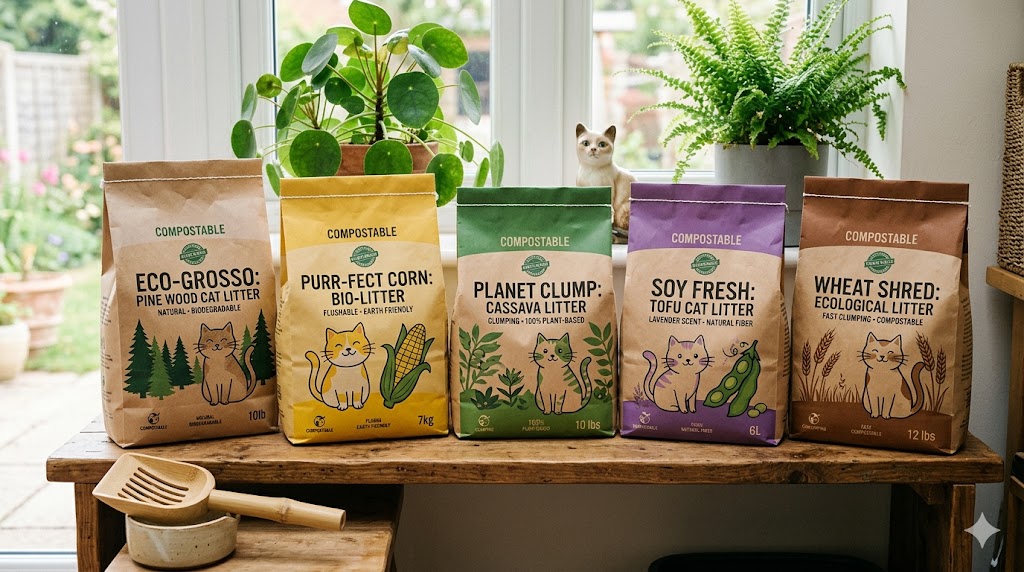
The main difference between natural cat litter products and conventional litters is that the former uses biodegradable raw materials, whereas the latter contains synthetic and artificial compounds. The production of natural litters involves the recycling of wood, corn, wheat, paper, or plant fibers for better waste disposal. Moreover, the use of these materials results in low dust levels, which improves breathing conditions for both cats and humans. The rise of environmental consciousness has made many people interested in sustainable alternatives to promote healthy waste disposal processes.
Wood-Based Cat Litter: What It Is?
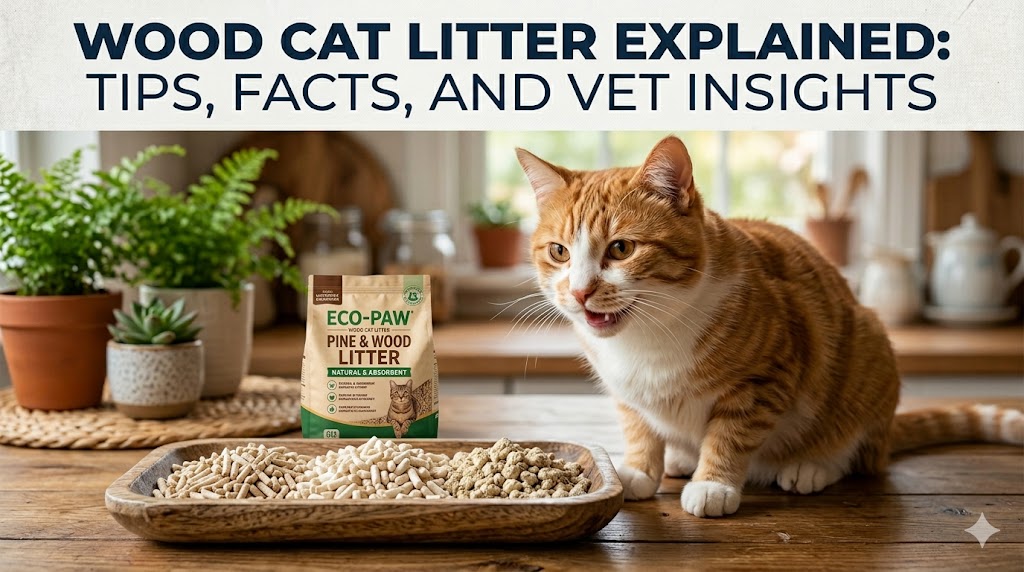
Wood-based cat litters are made of compressed wood pellets, pine shavings, sawdust, or recycled wood fibers for safe usage. These components not only absorb moisture but also release pleasant wood scents to eliminate bad smells from the litter boxes effectively. In addition, the absence of harmful chemical agents makes wood litter popular among cat owners who care about environmental protection. However, different brands may vary in terms of texture, pellet sizes, and absorbing capacity depending on the production process used.
Functioning of Wood Litter
The function of wood litter is that it is good at absorbing any liquid since fibers retain the moisture and decompose over time into soft sawdust. Many wood litter types emit natural aromas that help neutralize odors without the need for heavy perfuming chemicals indoors all the time. Furthermore, there are litter varieties that clump a little bit and other brands that should be entirely replaced after being exposed to moisture. Maintenance practices are therefore important in keeping odor under control successfully.
Benefits of Wood Cat Litter for Odor Control
One of the major issues that pet owners struggle with is unpleasant odors coming from litter boxes inside the house. The great news is that wood cat litter tends to manage odors effectively since natural compounds contained in pine help neutralize any ammonia odor emitted by cats effectively. Moreover, wood litter is highly absorbent and reduces bacterial development, making litter boxes smell fresh. Therefore, many people enjoy odor-free environments thanks to the presence of natural products in place of synthetic clay litters.
Dust Generation and Cats’ Respiration
Too much litter dust might irritate hypersensitive cats and their owners because both may suffer from allergies and other breathing problems inside the house frequently. Traditional clay litter produces lots of fine particles that fly off while digging and cleaning the litter tray regularly. Dust particles also sometimes cause sneezing, coughing, or irritation of eyes unexpectedly either among cats or people. Wood litter tends to generate less dust because wood pellets weigh more and do not disintegrate easily while being scooped. Less dust means more breathing comfort and cleaner surroundings in general.
The Environmental Value of Eco-Friendly Wood Litter
Modern pet owners pay much attention to environmental issues when selecting products for their four-legged friends since they prefer to avoid any unnecessary waste in their households actively. For example, wood litter may use lumber industry by-products or forest-based wood material naturally. Biodegradable litter disintegrates more quickly than regular clay litter that stays intact for a long time in landfills. Moreover, some eco-friendly wood litter can be easily composted under specific conditions accordingly.
Types of Wood Litters
Wood litters come in many styles including pellets, granules, flakes, and softer fiber blends depending on personal preference. Pellets are particularly favorable since bigger sizes result in lesser tracking with clean floorings around litter boxes achieved easily. Furthermore, some cats prefer softer wood granules because rough litter irritates their paws continuously. There is also a selection of litter that incorporates wood and plants increasing efficiency in odor absorption and clumping unexpectedly. Therefore, knowing the various types of litters available enables pet owners to choose an appropriate one for both cats’ comfort and easy cleaning.
Cat Litter Transition
While there are cats who adjust fast to their new litter, there are those that need transition periods owing to their reluctance to abrupt changes in their environment. It would be wise to gradually introduce the new litter by mixing it with the existing litter for days and weeks consecutively ensuring successful transitions. Apart from introducing the new litter gradually, owners can maintain cleanliness within their litter boxes at the same place for continuity purposes unexpectedly.
Tracking with Wood Cat Litter at Home
A common complaint among cat owners involves litter tracking since bits of it get tracked into many parts of the home. The good news is that wood cat litter tends to track less compared to light litter made of clay because larger bits tend to be heavier and easier to contain within the litter area. Moreover, there are some woods that produce few particle wastes on the feet of the cat during digging and covering actions. Having appropriate litter mats and tall boxes can also minimize the mess.
Cleaning the Cat Litter Box Regularly
Litter box cleaning is necessary for keeping it clean irrespective of the type of litter used regularly in indoor conditions. Typically, wood litter needs the elimination of waste products every day followed by replacement of soaked sawdust or pellet replacement once saturation occurs. On the other hand, regular washing of the box minimizes bacteria growth and odor that may affect cats unexpectedly. In fact, some pet owners opt to use sifting cat litter box because of easy separation of sawdust from the fresh litter.
Moisture Absorption & Moisture Control
Efficient moisture absorption is one of the methods that help eliminate unpleasant smells, bacteria, and an uncomfortable environment created inside a litter box effectively. Wood-based litter absorbs liquid efficiently and controls moisture levels in litter boxes constantly. Moreover, the degradation of wood pellets indicates when it is time to replace the litter unexpectedly. Finally, some wood litters incorporate advanced moisture-absorbing properties that help retain moisture without the use of any chemical additives or artificial fragrances unnecessarily.
Is This Type of Litter Safe for Cats?
Healthy cats can usually safely utilize wood litters as long as pet owners select reputable brands that create products for animals’ safety properly. Companies manufacture litter materials carefully, eliminating potential harmful substances that could pose a risk to cat health. Finally, some wood litter types are low dust which makes it possible for cats to breathe comfortably. Pet owners need to be careful about choosing construction wood litter since potentially dangerous compounds might still be present inside such products.
Choosing Litter for Cats with Urinary Problems
Different litter types might provide additional comfort to cats suffering from urinary issues or pain during bathroom visits unexpectedly. Low-dust, soft litter is known to help sensitive cats feel comfortable while visiting their litter box in order to recover faster effectively. Moreover, people dealing with cats’ urinary issues must be aware of possible emergencies including cat urinary blockage symptoms male cat since neglecting their treatment will result in severe consequences rapidly. Creating comfortable conditions for cats will help notice potential problems with urination earlier.
Disadvantages of Wood Pellet Litter
Despite numerous advantages offered by wood litter, there are some drawbacks that could negatively impact its usage depending on the owners’ preferences unexpectedly. One of the issues with pellets is that their bigger size could make cats feel uneasy while digging because of being hard on their sensitive paws continuously. Moreover, pellet litter usually needs to be changed completely more often since pieces of sawdust are constantly appearing in the box after the first moisture.
Litter Boxes in Multi-Cat Homes
Many multi-cat homes are prone to odor problems, quicker saturation of the litter, and more extensive cleanup work indoors naturally. Wood litter could be suitable for multi-cat homes due to its ability to absorb odors using its fiber and odor from natural pine scenting. Additionally, the reduction in pellet tracking usually ensures that cleaning around litter box areas becomes easier than expected. However, larger litter boxes or frequent changing of litters is necessary when it comes to multi-cat homes to ensure that there is no territorial stress among felines.
Costs Involved
Costing can have a bearing on the selection of the right kind of litter for your home because littering continues being an activity over a period of time. At times wood litter can cost more compared to common clumping clay litter brands sold in stores today. In addition, natural products that are highly effective in absorbing and controlling litter odor will likely cost more than other types. However, reduced dust and tracking can ensure that there are savings in the long run.
Veterinary Insights on Natural Litter Products
Low-dust and natural litter products receive a lot of praise from veterinarians as respiratory health and reduced stress are crucial factors affecting a cat’s wellness when staying indoors naturally. Overexposure to dust and/or artificial fragrance might cause discomfort which would result in negative impacts on litter box usage in cats naturally. Furthermore, natural litters are considered to be better for young or very sensitive cats suffering from certain allergies unexpectedly. It is thus important to monitor your pet’s litter box behavior when switching products naturally.
Mistakes Often Made by Owners
Some owners change the type of litter abruptly, thereby confusing the cat and leading to litter box aversion. Other owners overfill the litter box or fail to clean it, limiting the effectiveness of the litter. Litter that smells strongly is another factor which could dissuade a cat from using its litter box. Setting up litter boxes near busy or noisy places creates stress.
Selecting a High-Quality Wood Litter Brand
When selecting the ideal wood litter, consider aspects such as texture, absorbency capabilities, dust management, odor elimination abilities, and the preferences of one’s cat. The assessment of reviews and checking the product’s contents can facilitate the identification of quality products. Trial of smaller packets enables the animal to adapt to this new type of litter without spending much. Some manufacturers produce litter that is softer, while others emphasize better odor absorption abilities.
Conclusion
The use of wood litters is widespread due to their natural ability to manage odor, generate minimal dust particles, and provide eco-friendly attributes. Their correct application enhances the overall condition of the litter box and improves indoor air quality. They attract pet owners because of their environmentally friendly properties and the possibility of reducing tracking.