Blog
Top Compostable Cat Litter Options

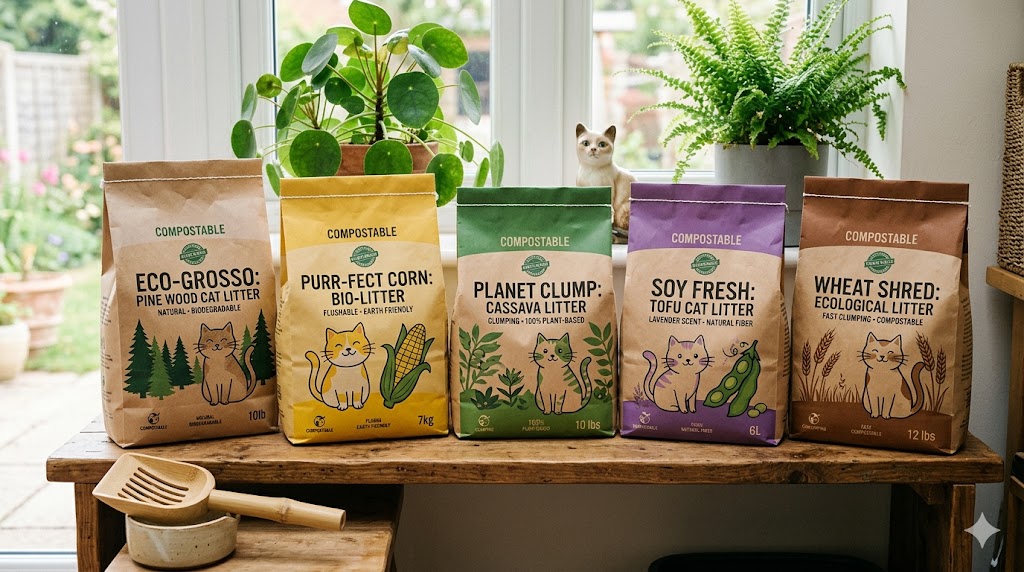
Considering compostable cat litter types gives you a chance to contribute to environmental conservation by using an eco-friendly product. While traditional clay litters produce tons of waste that fill up landfills and are made of non-renewable material, there is an array of eco-friendly cat litter options available today. They are biodegradable and provide great performance in terms of odor reduction and ease of cleaning. You will learn what compostable cat litter is all about, its main types, and what to consider when choosing the best product for your pet.
Compostable Cat Litter: Definition and Key Characteristics
Compostable cat litter is a type of litter manufactured from natural and environmentally friendly ingredients that decompose in time. In contrast to regular clay litter which contains synthetic elements and may pollute the environment, compostable litter is biodegradable and free from any toxic substances. It is made of renewable plant-based or wood materials such as corn, wood, paper, and wheat. What is more important, under certain conditions it can actually be used for composting.
Reasons to Consider Using Compostable Cat Litters
There are many reasons why people choose compostable cat litters for their pets’ safety and welfare. To begin with, it allows minimizing waste and contributing to the conservation of the environment. Next, it excludes contact with dust and hazardous chemicals. Besides, when kept in good conditions, it allows avoiding foul smells. Given all that, using compostable litters proves a smart decision for many environmentally-aware families.
Corn Cat Litter
One of the types of compostable cat litters that deserve special attention is corn litter. First of all, it is based on corn kernels that have a moisture-absorbing feature and prevent unpleasant odors. What is more, it is easy to clump, which facilitates litter changing. Last but not least, corn litter is lightweight and easy to carry. Nonetheless, proper storage is required since corn can get moist.
Wheat-Based Cat Litter
This litter takes advantage of the natural enzymes found in wheat, thus being effective at odor neutralization. What is more important is that it clumps up fast, providing convenience when scooping and better hygiene. In addition, it is easily biodegradable and can be composted if certain conditions are fulfilled. The main selling point for wheat cat litter is the fact that it is soft and natural for your pet’s health. One should bear in mind that the litter is not recommended for wheat allergic cats.
Pine Wood Cat Litter
The basis for this litter is compressed sawdust or wood pellets made out of pine trees. The use of pine material makes it an effective litter for odor neutralization due to its unique scent. Besides odor control, another feature of this kind of litter is efficient absorption, preventing bacteria development in a litter box. With time, wood pellets turn into sawdust and become easier to dispose of. One disadvantage of pine wood litter is that it may take time for your pet to get used to it.
Paper-Based Cat Litter
Paper-based cat litter is made using recycled paper products and is considered one of the most environmentally friendly options. The material is soft and light-weight and causes no damage to cats’ tender paws. Moreover, it does not generate dust particles, improving the air quality indoors. Although paper-based litter does not form clumps as efficiently as other litters do, it still works great for moisture absorption. Besides, it is completely biodegradable and promotes recycling. As such, paper-based litter is recommended for kittens, elderly cats, or cats that suffer from respiratory conditions.
Coconut-Based Cat Litter
Coconut-based cat litter is produced using coconut husks and fibers. The material is extremely absorbent and promotes sustainability. It neutralizes odors without the use of harsh chemicals and forms clumps easily. In addition, it is relatively light-weight and biodegradable, which means it can be easily disposed of. Also, coconut-based litter is resistant to mold and bacteria. The only drawback is that it might not be available in certain regions.
Grass Seed Cat Litter
Grass seed cat litter refers to a relatively new form of litter that is compostable, using grass seed fibers as its key ingredients. It is very absorbent and helps to mask odors well. Another characteristic of this litter type is its softness, which makes it comfortable for cats. What is more important, it clumps effectively and can be easily scooped. Moreover, it can be disposed of safely in terms of being biodegradable. Thus, grass seed litter gains increasing popularity among environmentally conscious cat owners.
Walnut Shell Cat Litter
Walnut shell cat litter includes crushed walnut shells, representing an environmentally friendly and sustainable choice for litter. Apart from its high capability to absorb odors, it clumps effectively, which allows for easy cleaning. Besides, it is not too dusty and can be used for environmentally sound purposes due to its composition. Since it represents a product of recycled agriculture, it is rather eco-friendly. The main drawback of this kind of litter is its somewhat heavy weight.
Advantages of Compostable Cat Litter
There are multiple benefits to using compostable cat litter. Firstly, such products do not produce harmful waste, as they decompose naturally. Secondly, they help to improve indoor air quality by lowering dust and chemical presence. Thirdly, some compostable products have great odor-control abilities when used correctly. These litters allow creating healthier environments for cats. Besides, they encourage sustainability practices. In sum, you will benefit from making your cats live more eco-friendly lives.
Odor Management With Compostable Litters
Odors are always an issue for cat owners and are even more critical if you keep multiple felines at home. To solve this problem, one may consider compostable litter which consists of natural materials capable of absorbing moisture and eliminating odors. Litters made out of corn and wheat contain enzymes which contribute to neutralizing odors. There are also pine or coconut litter which helps to get rid of the smell through aromatics.
Clumping vs. Non-Clumping Products
It is possible to find different kinds of compostable litters, namely clumping and non-clumping. The first type creates clumps of excrements which makes cleaning process faster. On the contrary, non-clumping litters do not create clumps, therefore, they need more frequent cleaning. Another important thing is that clumping litters provide superior odor control than the non-clumping one. Although, there may be cases when cats prefer softness. Therefore, the choice between these two should depend on cat’s preferences.
Composting Cat Litter Safe Practices
However, not all cat litters that are biodegradable are safe to use when making your own compost at home. Although the natural composition of such litters decomposes easily, it is possible that your kitty litter may have certain bacteria or parasites that pose some threats. For this reason, it is necessary to consider safety rules for this activity. Moreover, some products are suitable only for professional composting facilities. You should also refrain from using compost with your cat’s waste on edible plants.
Cost Implications
The cost of cat litter that is considered to be eco-friendly may differ depending on its composition and the specific brand. Usually, organic litter products are a bit more expensive than their clay competitors but last much longer. The price is justified by its positive impact on the environment. In addition, the cost is gradually declining as the market gets more interested in environmentally friendly products.
Transitioning Cats into Compostable Litter
A gradual shift from the current litter to a new one should be done to avoid stressing the cat. This involves the process of mixing the compostable litter with the litter that the cat currently uses for some days before fully shifting. Moreover, it is also important to keep tabs on your cat when transitioning to avoid stress. In most cases, some cats adjust faster compared to others.
Tips for Proper Maintenance
Some factors contribute to better use of compostable cat litter. It involves daily scooping of urine and fecal matter. Frequent replacement of the used litter should also be considered for better results. In addition, litter boxes should be cleaned once a week using pet-safe disinfectants. It also involves cleaning of the litter boxes frequently using natural and gentle cleaners. Finally, good ventilation also contributes to proper air circulation and reduces foul odors.
The Environmental Impact of Making the Switch
When you make the switch to using compostable cat litter, your household’s environmental impact is minimized. Clay litter increases the amount of mining waste produced and the buildup of litter in landfills. Compostable litter, on the other hand, uses recyclable and sustainable materials. The switch will help reduce the total impact of the litter industry on the environment. Thus, it’s a necessary step towards becoming more environmentally conscious in pet ownership.
The Common Difficulties and Their Solutions
Compostable litter has plenty of advantages but can still be accompanied by a few difficulties. For example, tracking may become a problem with specific types of this product. However, this can be mitigated by purchasing a litter mat and following the appropriate cleaning instructions. Moreover, odor may depend on how well the litter is maintained.
Conclusion
There are many reasons why cat owners should try using compostable cat litters. They offer an environmentally friendly and highly functional solution for modern pet lovers. With a little bit of effort to find the right material and use appropriate cleaning methods, one can create a cozy and tidy environment that will keep the house odor-free while minimizing its negative impact on nature. In conclusion, compostable cat litter offers a compromise between your feline’s needs and environmental sustainability.