Blog
Fvrcp For Cats: Everything You Should Know in 2026

One of the main duties of a pet parent is to ensure that their cat is kept safe from avoidable diseases. One of the most recommended vaccines for cats, Fvrcp is essential in protecting cats from a number of potentially serious viral diseases. This is a core vaccine which helps to minimize the chances of serious disease and promote longevity. If you have a playful kitten, an indoor cat or a senior cat, it’s important to know how this vaccine works so you can make informed healthcare decisions in 2026.
Recognizing the fundamentals of FVRCP
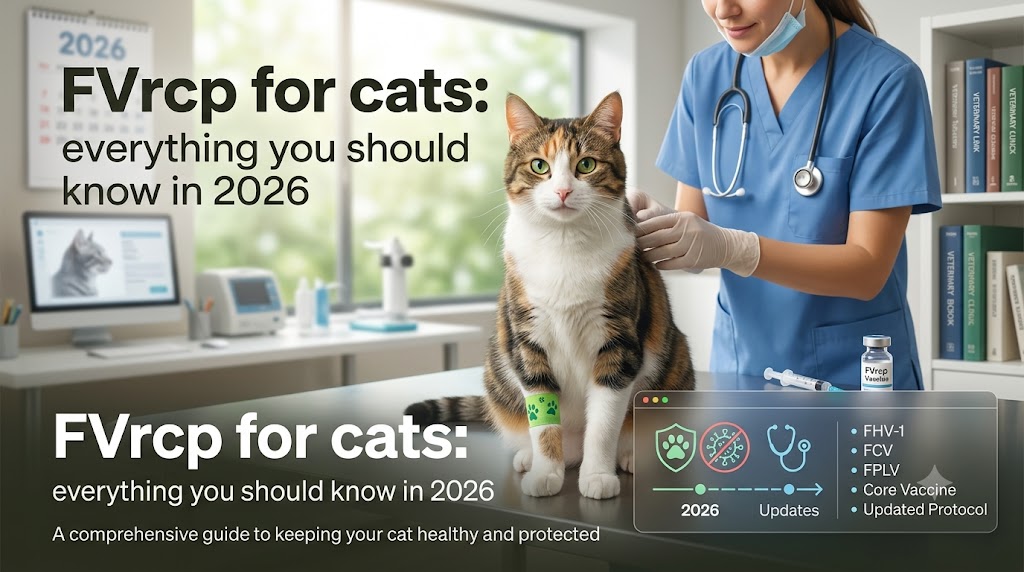
Veterinarians generally recommend that most cats receive the FVRCP vaccination, making it a core vaccine for cats. FVRCP is a combination vaccine that protects against Feline Viral Rhinotracheitis, Feline Calicivirus & Feline Panleukopenia. All of these diseases can lead to serious health issues and in some cases, become life threatening. Fortunately, the risks of infection can be greatly reduced with regular vaccinations. For this reason, FVRCP vaccination is still a key vaccine recommended for use around the globe.
Why vaccinations are so important for cats
A vaccine is a special product that teaches a cat’s body to attack and destroy dangerous viruses before the cat gets sick. This means that generally vaccinated cats have greater protection against infectious diseases. Also, a high proportion of cats vaccinated limits the spread of the disease among cats. Cats can be exposed, regardless of whether they live indoors or outdoors. So, preventive care like vaccinations is still a crucial part of being a responsible pet owner and ensuring your cat’s overall health.
Modern Veterinary and Fvrcp for Cats
Fvrcp is still recommended for cats as it is a combination of vaccinations against several different diseases in one. This convenience makes preventive health care easier, and increases protection. In addition, there have been significant advances in vaccine technology over the years, resulting in better safety and efficacy. For this reason, it is strongly advised by most veterinarians to keep up to date vaccinations. When you follow the advice of a professional, you will ensure that your immunity is at its best, while reducing the risk of any infections that may affect your health.
Feline Viral Rhinotracheitis: What is it?
The Feline herpesvirus type 1 causes Feline Viral Rhinotracheitis. This highly contagious infection is mainly a respiratory infection. The symptoms are sneezing, runny nose, eye inflammation and fever. In severe instances, breathing problems can occur. There is no cure for the virus once infected, although symptoms can be controlled. Thus vaccination continues to be one of the most effective methods to reduce disease severity and transmission.
Understanding Feline Calicivirus
The other viral disease that is targeted by the FVRCP vaccine is Feline Calicivirus. This virus is associated with respiratory symptoms: sneezing, nasal congestion and eye discharge. Also, some cats with the infection get mouth ulcers that are painful and make it difficult to eat and drink. Some strains may be more virulent. Preventative vaccination is a key protective measure against outbreaks and has an important role in safeguarding feline communities as calicivirus is easily transmitted between cats.
Feline Panleukopenia – What is it?
It is also known as feline distemper is one of the most serious conditions included in the FVRCP vaccine. This very contagious virus invades the body and targets rapidly replicating cells, including those in the digestive system and immune system. Signs may include vomiting, diarrhea, fever and extreme dehydration. Kittens, particularly young ones, have a particularly high mortality rate. Thus, the avoidance of infection by vaccination is much safer than treating infections after infection.
The FVRCP Vaccine Works How?
Vaccines activate the immune system with non-infectious materials that are similar to infectious materials. The body thus gradually develops immunity to the subsequent infections. If a cat is vaccinated, the immune system reacts quickly on exposure to real viruses in the future. This is usually enough to stave off disease or diminish its symptoms. Thus, regular vaccination is an effective way to keep cats healthy and avoid complications from serious diseases.
Fvrcp for Cats: Core Vaccine Status Explained
Since the diseases covered in Fvrcp for cats are common, infectious and life-threatening, veterinary groups see it as a core vaccine for cats. Unlike lifestyle vaccines, core vaccines are given to almost any cat regardless of his or her lifestyle. Indoor cats can also become sick because of other people, objects or when they escape. As a result, veterinarians recommend that cats should be protected all their lives.
Recommended Vaccine Schedule for Kittens
Multiple doses of vaccines are needed to ensure that the development of immunity in kittens is not influenced by maternal antibodies. Vaccination is typically started at 6-8 weeks old. Usually, there are extra boosters given every couple of weeks until about 16 weeks. This series is used to maintain the protection as maternal antibodies will eventually fall. In addition, it is vital to do all the shots as scheduled, as missing doses can leave kittens open to disease during critical times of growth.
Here is the vaccination schedule for adult cats
Adult immunization requirements are dependent upon the age, health, type of vaccine, and veterinarian’s advice. Once all the kittens are vaccinated, cats tend to get booster shots at intervals after that. Some vaccines need to be given as a booster shot every year, others protect against the disease for a longer period. As a result, periodic veterinary checks enable appropriate schedules to be determined. Kept up to date, records provide protection at all times and minimise the risk of preventable outbreaks of disease among feline populations.
Indoor Cats and FVRCP Protection
Some cat owners think indoor cats don’t need cat vaccines. But exposure to disease may happen as a result of visitors, contaminated clothing or emergency situations. Furthermore, certain viruses can remain live in the environment for long periods of time. Thus, an indoor lifestyle does not provide complete protection from infection. Core vaccines are recommended for all indoor cats as it is much more convenient and economical to prevent serious infectious diseases that can be transmitted than to treat them after they have been acquired.
Outdoor cats are at more risk
Street cats are exposed to more infectious diseases than their indoor counterparts, due to their contact with other animals and contaminated areas. This is even more reason why vaccinations are more critical for these cats. There are various activities that can lead to transmission: fights, sharing of food, or contact with infected cats. In addition, pathogens are frequently present in environments outside of the body that are able to survive for long periods of time. So, keeping cats up to date on their vaccinations is important for those cats that venture outside the house.
Common Side Effects of the Vaccine
The FVRCP vaccine is well-tolerated by most cats. But there are sometimes mild side effects. Side effects may consist of drowsiness, loss of appetite, local pain, and/or a mild fever. Luckily, these symptoms usually clear up within 24 hours. Severe reactions are rare and are serious and require immediate veterinary treatment. Post vaccination monitoring can help ensure that any unusual responses are quickly assessed and treated.
Occasional serious vaccine side effects
While they are rare, severe reactions to vaccines can happen in some cats. Symptoms may involve swelling of the face or difficulty breathing, vomiting or collapse just after vaccination. These circumstances are life-threatening and should be treated by a veterinarian immediately. Luckily, there are not many serious reactions, compared to the great prevention benefits. Vaccines are recommended after taking into account the risk factors of each individual. Therefore, the benefits of protection are usually greater than the risk of undesirable side-effects.
How much are the FVRCP shots?
The price of vaccines varies from region to region, veterinary clinic to clinic, and extra services offered at appointments. In many localities, there is little difference in cost of individual vaccine visits to cost of treating serious infectious diseases. Animal shelters and community clinics also may provide low-cost immunization programs. As a result, preventive healthcare can be seen as a cost-saving investment that helps to prevent costly medical emergencies and long-term treatment costs.
Why booster vaccines are important
Booster vaccines help to keep immunity up for the long-term. Protection from initial vaccinations is effective, but can wane unless there are periodic boosters. As a result, booster doses keep the immune system ready to fight off attacks from disease. Booster schedules are based on science, risk assessment, and vaccine properties. Adhering to recommended schedules provides the most protection and helps to promote a healthy cat and disease prevention.
FVRCat(s) Long-Term Health Protection
Veterinarians still recommend Fvrcp for cats as it plays an important role in long-term health. The prevention of serious viral diseases decreases suffering, treatment costs and the quality of life. In addition, cats who are vaccinated may not have as many complications from contagious diseases. Owens, by following recommended vaccination programs, are ensuring that their pets are protected at all stages of life. Therefore, it is one of the greatest investments you can make as a pet owner is to invest in preventive healthcare.
Understanding Feline Distemper Protection
One of the most common questions asked by cat owners is whether or not vaccines can prevent feline distemper. Yes because the FVRCP vaccine contains protection against feline panleukopenia (distemper). In fact, if you have ever thought about whether or not cats can catch distemper, then it becomes even more crucial to have an understanding about the importance of vaccinations. Distemper is very contagious and can be very serious. Luckily, regular vaccinations greatly decrease the risk of infection and are the most effective method of prevention that is available.
Should cats receive injections to prevent diseases?
Vaccines are some of the most routine preventative vaccines that are given to cats. Owners often inquire about the need for injections when their pet looks well. Actually, the injections are preventive and they protect against these diseases before they even start. Although there are no guarantees with medical interventions, vaccinations greatly reduce the risk of infection. As a result, veterinarians continue to advise continuing to vaccinate dogs and cats during routine comprehensive wellness programs, both for indoor and outdoor pets.
Getting your cat used to going to the vet for shots
A relaxing vet visit makes your cat’s visit more pleasant for both you and your feline! Stress during transportation is reduced with the use of a secure carrier. Also, used blankets or comforting treats might help. Rescheduling appointments for the less busy times of the clinic may also alleviate anxiety. In addition, if you discuss any health issues beforehand, veterinarians can find a way to make the recommendations proper for you. With a little preparation, you can have a smoother visit and hopefully a better experience with health care your cat will have over their lifetime.
Questions to ask your vet:
Each cat will require a different treatment plan, so it is important to discuss with your veterinarian. Discuss vaccine schedules, booster frequency, lifestyle risks and potential side effects at appointments. Also, inquire about the possibility of vaccinating for other diseases if your cat’s situation might benefit it. When owners have an understanding of these recommendations they are able to make informed decisions. Thus, ongoing communication with veterinarians enhances preventive healthcare strategies and promotes better long-term results.
The Outlook for Cat Vaccination in 2026
Veterinary medicine is a field that is constantly growing and developing, as more research is conducted, new technologies are invented, and the knowledge of feline health is expanded. The development of vaccines is aimed at achieving optimal efficacy with a very good safety profile. In addition, continuous research contributes to the evolution of vaccination guidelines and risk assessments. This has led to more advanced options of preventative care for pets. Keeping current with recommended guidelines will keep cats as best protected as possible from infectious diseases.
Conclusion
The FVRCP vaccine is still one of the most vital and valuable preventive health resources for cats in 2026. This core vaccine helps to prevent serious disease from Feline Viral Rhinotracheitis, Calicivirus, and Panleukopenia. Keeping your pet’s vaccinations up to date will help keep your pet healthy and happy for the long haul, regardless of whether you have a young kitten, an indoor cat or an outdoor adventurer. In short, prevention is the best treatment, and you’ll have less to worry about and your cat will live a healthier, happier life as a result.