Blog
How Often to Wash Cat? Expert Answers and When to Worry

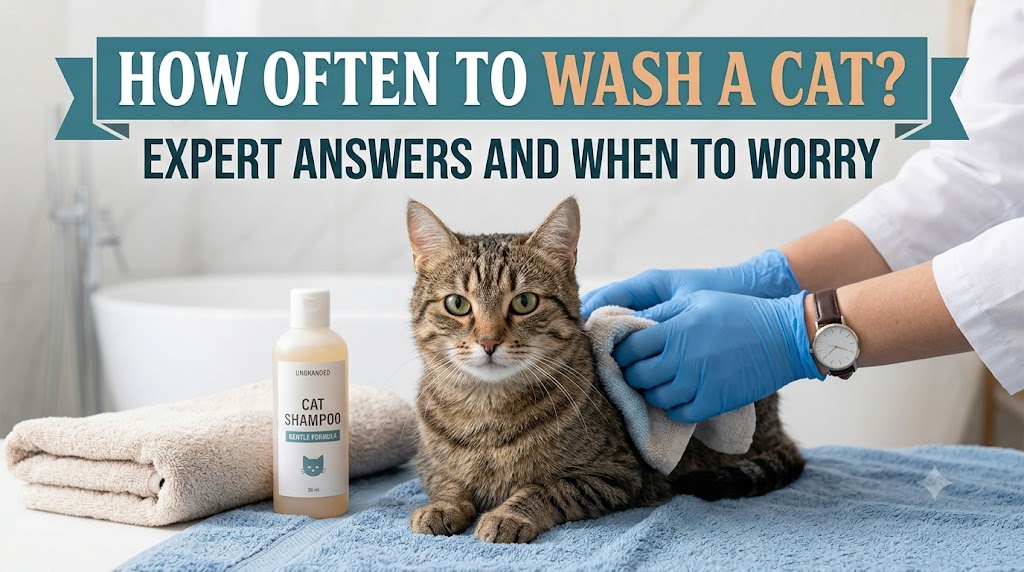
The domestic cat has gained a name among the most clean animals. These pets groom themselves quite often, maintaining their coat tidy. In this context, many owners doubt whether bathing is necessary at all. For those who have asked when should you wash cats, there is no single answer, since it depends on several criteria, including age, breed, lifestyle, coat, and other individual factors. Getting acquainted with the right way to bathe cats can help your pet be safe during this procedure.
Why Cats Can Groom Themselves So Well
A special tongue coating made of small hooks helps remove foreign objects and debris stuck in cat hair. Besides, during grooming procedures, natural oils are distributed evenly along their bodies. As a result, most cats can stay clean on their own.
Do Cats Really Need Baths?
When cat owners find out that their pets actually need fewer baths than they think, they are quite surprised by that information. Contrary to dogs, who may get dirty rolling in the mud, most indoor cats don’t require any baths because they are very well groomed. Moreover, unlike some dogs, most cats spend little time outside of the house. Therefore, for most cats living indoors, a few baths per year will be enough to ensure good hygiene.
How Often You Should Wash Your Cat?
There is no universal rule as to how often you should wash your cat. On average, some cats will require a couple of baths each year; however, there are others who might require more baths. Moreover, other health issues of a particular pet can play an important role in establishing how often cats should be bathed.
How Often to Bathe Healthy Indoor Cats?
If we are speaking about healthy indoor cats, then in most cases, bathing once in a few months is enough. Moreover, a considerable number of indoor cats do not need bathing at all since self-grooming is quite effective.
Bathing Outdoor Cats
Outdoor cats will be exposed to more dirt, dust, mud, pollen, and environmental pollutants. This means that some cats will require a bath much more often than indoor cats. In addition, outdoor cats will encounter elements during their activities which cannot be cleaned through regular grooming.
Special Concerns for Long-Haired Cats
Cats with long fur are usually more difficult to groom than short-haired ones. Dirt can get caught easily within the coat, and matting can easily occur. For this reason, bathing and regular brushing will help these types of cats stay well-groomed. Brushing prevents knots and keeps the skin healthy.
Why You Might Not Need to Bathe Your Cat
Short-haired cats keep themselves well-groomed using their tongues. They can also keep their fur untangled. Therefore, most short-haired cats do not have the need for baths at all. Brushing will do just fine.
Furless Cats Require Bathing More Regularly
The unique nature of cat breeds like Sphynx requires special bathing routines. As a result of lacking fur to collect sebum and protect their bodies from dirt, these oils build up on the body’s skin. Therefore, routine bathing is required to keep these oils from causing irritation and buildup.
Bathing Frequency in Cats With Skin Problems
A cat that suffers from allergies, skin infection, seborrhea, or other skin-related conditions might need more baths in order to take care of his health issues. In this case, bathing is done according to the doctor’s instructions for better results.
Grooming Senior Cats That Have Difficulty Maintaining Hygiene Themselves
Elderly cats suffer from problems like rheumatism or illness, making it difficult for them to groom themselves. Therefore, you may find that your cat’s coat feels greasy, or he is shedding dandruff.
Additional Grooming for Overweight Cats
Felines who are overweight will find it challenging to groom some parts of their body because of their excess fat and body size. This means that dirt and oils will build up in various parts of their body, especially the back, tail, and lower part. Therefore, more grooming will be required to keep the feline clean and healthy.
Indicators That the Cat Needs to Take a Bath
Instead of setting a fixed timeframe to bathe your feline, you should pay attention to indicators that show that a bath is required. If the cat’s fur has dirt, grease, unpleasant smell, or stickiness, then bathing can help them. In most cases, observing these signs will provide better information than setting an arbitrary schedule.
How to Handle Stickiness
There are times when your feline comes into contact with substances which they cannot wash off by themselves. These substances can include paints, chemicals, grease, and spilled foods. Because they will groom themselves and lick the substances off, they need to be bathed.
Flea Removal and Parasite Issues
Even though bathing usually doesn’t resolve the problem of fleas, it is still possible to reduce their population and remove any other types of parasites along with other foreign matter through grooming. In addition, many owners tend to come across parasite problems during grooming sessions, which are usually connected to questions like “How do you know if your cat has fleas?” Regular examinations of the coat, therefore, help identify fleas and other parasites.
Brushes and Grooming Instruments that Allow Less Frequent Bathing
Regular brushing can greatly reduce the frequency of required baths by removing all sorts of matter from the coat prior to the accumulation of significant amounts of dirt, oil, and loose fur. It is not uncommon for owners to use certain instruments like coastal pet safari single row cat flea comb to achieve such results.
Risks Connected to Excessive Bathing
It is commonly believed that regular bathing helps keep cats clean, yet the opposite can also be true. Moreover, bathing cats on a frequent basis leads to the loss of protective oils from the skin, which can cause various conditions like irritation and itching.
Dry Skin and Irritation
The moisture in the skin is maintained by natural oils produced by the body. Too much washing causes damage to the moisture balance of the skin. This results in irritation that leads to frequent scratching and flaky skin among cats after repeated baths. To avoid this, it’s important to choose appropriate shampoos for cats.
Stress Due to Bathing Cats Often
Bathing cats often leads to increased stress in felines. This may arise from frequent encounters with experiences that lead to anxiety. It becomes difficult for the cat to have trust and confidence in its owner. Hence, the owner needs to avoid such experiences as much as possible.
Choosing the Correct Shampoo for a Cat
It’s important to understand that normal shampoos used for humans do not work well for cats. This happens due to differences in their skin’s pH balance and the chemicals contained in these shampoos. Thus, it becomes necessary to choose appropriate cat shampoos.
How to Get Ready to Bathe your Cat
Preparation makes the whole experience better. Having all tools necessary on hand prevents delays and frustration. In addition, getting claws trimmed, grooming the coat, and ensuring that the temperature of the water used is right helps the process go smoothly. Preparation thus enables owners and their cats to stay relaxed throughout.
The Right Way to Bathe a Cat
Cat bathing involves the use of lukewarm water only and very careful handling. Moreover, one should never shower a cat’s head, eyes, or ears with water. Calm, deliberate movements and positive talk reduce fearfulness. Thus, a calm approach is often the safest and most effective when bathing a cat.
Correct Drying After the Bath
After bathing, proper drying is a must. Wet coats tend to cause chill and discomfort in cats. In addition, mats often occur in long-haired cats due to trapped moisture. Towel drying and other ways of minimizing noise help ensure comfort during the process.
How Often Should You Bathe a Cat When Treating Fleas?
If you want to know how often to bathe a cat, you will find that the frequency might fluctuate depending on flea infestation. At times, veterinarians will suggest that certain bathing schedules go together with prescribed medication used for flea treatment. On the other hand, too much bathing will lower the efficacy of some medications. For this reason, it’s always recommended that you seek professional assistance in such situations.
Bathing Kittens
Since kittens have a hard time maintaining their body temperature, you shouldn’t bathe them unless absolutely necessary. Besides, you will need to dry a kitten thoroughly after the bath to prevent the animal from catching a chill. In general, cats need not to be bathed except when there’s a necessity.
Cats With an Aversion to Water
There are cats that will enjoy bathing, whereas some will resist it vehemently. Therefore, insisting on baths will not only cause them distress but also put your efforts in vain. Grooming and spot cleaning could be ideal ways to groom such cats.
Professional Grooming Services
Professional groomers may become indispensable when caring for cats that require considerable coat maintenance. It is especially important for long-haired breeds, older cats, and those with excessive matting. Thus, professional grooming services may minimize the necessity of home bathing, ensuring coat health.
Indications for Taking Cats to a Vet
In some cases, coat-related problems may reveal internal health issues. In such cases, increased shedding, reddened skin, sores, hair loss, unpleasant odor, and unexpected changes in grooming behavior should prompt an immediate consultation with a vet. Therefore, cat owners cannot take all coat-related problems for granted by providing a bath.
Preventing Issues with Cat’s Coat
Regular brushing should still be considered the key method of maintaining a cat’s coat in good condition. Furthermore, proper nutrition, sufficient watering, parasite control, and visits to a vet are critical for healthy coat and skin maintenance. Therefore, preventive measures may eliminate frequent bathing necessity.
Grooming Mistakes Made by Cat Owners
Cat owners tend to commit certain grooming errors that are harmful to the quality of their cats’ coats. The use of human shampoos, bathing their cats more often than necessary, forgetting about the drying process, and making their scared cats undergo traumatic experiences are just a few of such mistakes. Therefore, knowing how to groom your cat correctly will help avoid many problems.
Professional Recommendations for Bathing Cats
The consensus among veterinarians is that cats rarely need as many baths as many people think they do. They suggest brushing their hair and taking care of any possible issues that appear. Hence, bathing should be regarded as supplementary to grooming, not the central procedure.
Conclusions
In case you were wondering how often to wash cat, it all depends on the individual needs of the animal, which depend on its age, health, coat condition, and lifestyle. Healthy indoor cats rarely need to bathe at all, but some cats may require additional grooming assistance.