Blog
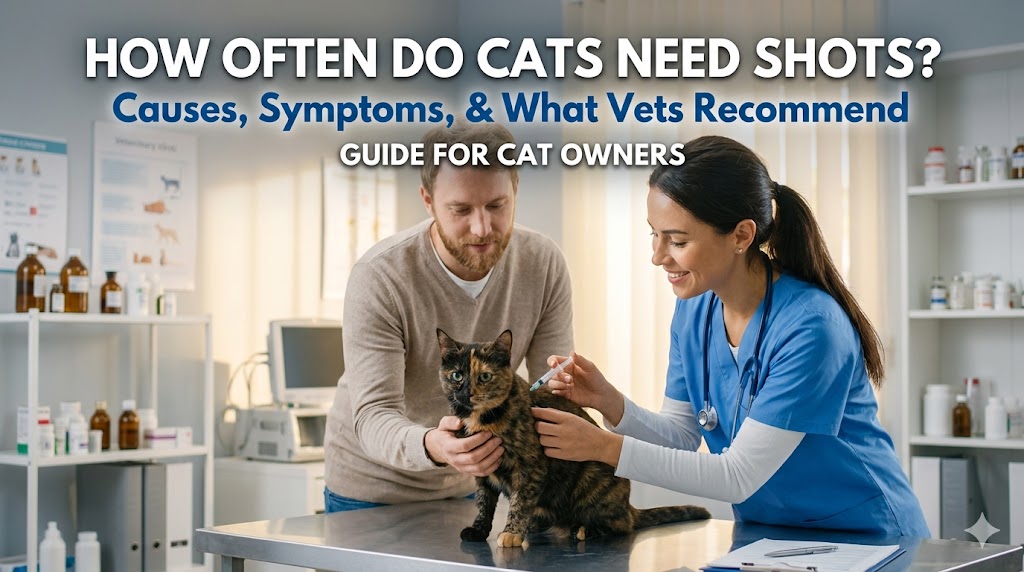
How Often do Cats Need Shots? Causes, and Symptoms

As a cat owner, the question of how often to give your cat vaccinations becomes an essential one after adopting a kitten or adult cat. Getting vaccinated is crucial in keeping your cat healthy and protected against life-threatening illnesses. Furthermore, knowing when and which vaccines are necessary can assist you in ensuring that the risk of disease transmission among other felines is minimized as well. Therefore, understanding why your cat should get certain vaccines and what influences the frequency of these vaccinations will enable you to make educated decisions about their health care.
Why Vaccinations Are Essential for Cats
A vaccine helps to prepare the body’s immune system for fighting an infection before getting severely ill. Also, by making your cat vaccinated, you minimize the possibility of spreading a certain disease to other animals. Moreover, many diseases cannot be cured easily and could even result in chronic conditions throughout a cat’s life. Thus, by vaccinating your cat, you decrease their health risks and ensure protection from dangerous diseases.
Knowing How Vaccines Work
A vaccine consists of weakened or dead parts of disease-producing agents. They trigger an immune reaction but do not cause the disease itself. The immune memory acquired during vaccination also works to provide immunity against further infection. If the vaccinated cat comes across the virus again, the immune system will recognize it quickly and deal with it efficiently. The result is usually either total absence or reduced symptoms. Knowing how vaccines work increases understanding of the importance of keeping vaccinations up to date.
Some Examples of Diseases Vaccinations May Prevent
Several diseases can be prevented with vaccinations. They are feline panleukopenia, feline herpesvirus, calicivirus, and rabies. Sometimes feline leukemia vaccines may also be appropriate depending on the life circumstances of each particular cat. These diseases can lead to severe respiratory issues, nervous disorders, immune system deficiency, and even death. Thus, vaccinations are among the most important means to prevent infection.
Vaccines That Are Core and Non-Core
For their vaccines, veterinarians separate them into core and non-core. Cats should be vaccinated using core vaccines since they provide immunity against diseases that are common and can become serious. Furthermore, there are also non-core vaccines that depend on the lifestyle, environment, and the individual cat’s predispositions. Indoor cats can get fewer vaccines compared to outdoor cats, which have greater disease exposure risk. This knowledge helps in creating a vaccination program according to each cat’s needs.
How Often Do Cats Need Shots During Kittenhood?
One of the times when vaccination is extremely crucial is when the cat is a kitten. The frequency of shots depends mostly on age and the immune system’s development stage. Most kittens are vaccinated every three weeks from the age of six to eight weeks. Additionally, the booster shots continue at this frequency up to the age of sixteen weeks. This frequency ensures continuous immunization as the maternal antibodies reduce in number.
Kitten Vaccine Schedule
It is advisable for the owner to get vaccinations every three to four weeks when raising the kittens in their initial development stage. Furthermore, rabies vaccines are given as recommended by the respective state authorities and vet specialists. The timing of the boosters will depend on various factors including personal situations. It is imperative for the owners to record all details of their kittens’ vaccinations to provide maximum protection.
Effects of Not Keeping the Scheduled Dates
Failure to adhere to the vaccine schedule may expose the kittens to numerous diseases and other health risks. In addition, missing the vaccine dates might necessitate restarting parts of the vaccine schedules in case it is necessary. As young kittens have immature immune systems, following advice from the vet specialists will help prevent problems in the future.
Vaccines for Preventable Disease Indicators
Cats that have not received any vaccinations have an increased risk of contracting infections. The indicators differ based on the illness contracted but can be fever, sneezing, discharge from the nostrils, fatigue, poor appetite, vomiting, and abnormal neurological signs. In addition, some illnesses are quick to escalate and become potentially fatal if not treated within time. However, prevention by vaccinations is always much more efficient than treatment.
Vaccines Required by Adult Cats
Following the initial set of vaccinations for kittens, the cats need further vaccinations as adults. Additionally, the number of boosters will depend on the particular vaccine administered and other considerations such as age and health. There exist vaccines that should be taken annually, while others do not need to be taken so frequently.
How Often Are Shots Needed by Cats as Adults?
There is a question from many pet owners about whether shots are needed after the initial kitten shots. It depends on the type of shot and life of the cat. Some adult cats have shots done yearly, while some follow a three-year cycle for certain vaccines. Furthermore, outdoor cats and those living with other cats are at higher risk. Veterinary checkups will assist in determining the most appropriate shots.
Vaccinations Required by Indoor Cats
There is a common myth that indoor cats do not need any kind of vaccinations. Infectious elements can easily be brought into home from humans, other animals or objects. Escaping from home can also cause unexpected problems for indoor pets. Most vets still recommend vaccinations for indoor cats. If owners have questions about Which Vaccinations Do Indoor Cats Need, they should conduct their own research.
Vaccination Advice for Outdoor Cats
Outdoor cats usually come into contact with more infections. Interaction with other animals can greatly increase the chances of virus spread. Moreover, outdoor conditions are full of disease sources. Many veterinarians suggest getting extra vaccinations if cats are allowed to be outside. Keeping up with their schedules becomes especially necessary for those who are more at risk.
The Things that Determine How Often Vaccinations Are Given
Many different elements define vaccination schedules. For example, a cat’s age, general well-being, medical background, place of residence, and lifestyle can all play a part in determining how often a cat should be vaccinated. Local diseases can have an effect on vaccination frequency as well.
Side Effects of Possible Vaccine
In most cases, cats are known to be able to handle vaccination very well. However, some side effects may arise on rare occasions. These include short-term lethargy, inflammation at the spot where the shot was administered, decreased appetite, and fever. In most cases, these symptoms subside within a day or two. More serious reactions are less likely to happen and must be seen by a vet immediately.
When to See a Vet After Vaccination
It is advised for cat owners to call their vet if their feline friend experiences swelling, respiratory issues, constant vomiting, facial swelling, and extreme lethargy after receiving a vaccination. Other symptoms which seem to be very severe or do not go away after a few days need professional evaluation. Luckily, adverse reactions are quite rare when compared with the benefits of vaccination.
How Frequently Do Cats Need To Be Vaccinated for Long-Term Protection?
The ability of a cat to benefit from long-term immunity will be directly dependent on adherence to booster vaccine schedules through its entire lifespan. This is why the question of how often cats need vaccines becomes especially important after they reach their senior age due to the fact that immunity becomes less effective over time. Moreover, senior cats may have special health conditions that will influence vaccination protocols.
Vaccinations for Senior Cats
Even senior cats will benefit from preventive medicine measures. While age will make the immune system less effective at producing immunity against different diseases, vaccines can still play a critical role in preventing certain illnesses. Furthermore, depending on the current state of health and past medical history, vaccination schedules may be adjusted by the attending veterinarian.
Why Are Wellness Check-Ups Important?
Vaccinations not only help prevent diseases but also give the opportunity to have a wellness check-up where your pet’s weight, teeth, ability to move around, heart, and overall well-being will be assessed. Furthermore, early disease diagnosis often contributes to successful treatment. It is important to combine vaccinations with regular wellness visits, which will help maintain your cat’s optimal well-being and give you an opportunity to discuss any problems that you may observe with a vet.
Understanding Necessary Injections
A lot of owners who are looking up vaccination charts for cats also study What Injections Do Cats Need? Causes, Symptoms & Treatments to learn about different preventive and medical injections used on cats.
Popular Vaccine Myths for Cats
Many myths have been generated when it comes to cat vaccinations. While some people think that vaccines give cats diseases, others think that indoor cats do not need to be vaccinated. Moreover, there is a belief that cat vaccines are good forever after one dose only. Such myths can mislead people in their decisions when it comes to their pets’ health. The most credible information about the matter is evidence-based information provided by veterinarians.
Benefits of Following Recommended Vaccine Schedule
Adhering to recommended vaccine schedule brings many benefits. Healthy and safe from infectious diseases, the cats vaccinated on time rarely need to be taken to the veterinarian in case of an urgent need. Additionally, vaccination can protect vulnerable cat populations. Keeping cats vaccinated according to recommended guidelines can contribute to a better quality of life.
Preparation for Cat Shot Appointments
Some measures cat owners could take to make sure that the shot appointment is a success include proper transportation, carrying their cats’ vaccination documents, and having a prior discussion about their cats’ medical condition. Moreover, monitoring their cats’ appetite, behavior, and activities will provide some helpful data about them. Being prepared mentally and making cats feel comfortable also play a key role in decreasing any stress during the procedure.
Conclusion
Understanding how often do cats need shots is crucial to ensure preventive care and give felines a chance to lead healthy and long lives. Getting vaccinations prevents many diseases, lessens the risk of transferring infections from one feline to another, and improves overall health. Although the vaccination schedule may differ for different ages and health conditions, regular consultations with veterinarians will help keep cats protected at all times.