Blog
Symptoms of Late-Stage Hyperthyroidism in Cats Explained

Another frequent type of endocrine disorder among older cats is hyperthyroidism. It happens because there is an overproduction of thyroid hormones by the thyroids. The increased level of hormones makes the metabolism very fast. If hyperthyroidism can be detected earlier, then the chance of managing it successfully increases. On the other hand, if this condition goes unnoticed and without proper treatment, it will develop into a severe condition. To avoid such outcomes, it is important to be aware of the symptoms of late-stage hyperthyroidism in cats.
Reasons for Hyperthyroidism in Older Cats
Most cats diagnosed with hyperthyroidism are middle-aged or seniors. Even as scientists study the causes behind the disorder, age is one of the greatest risks for cats. Genetics, environment, and dietary habits also play roles in the development of the disease. Since hyperthyroidism develops gradually, most pet owners ignore the first signs of trouble until their cat is seriously ill. Routine checkups become even more critical in older cats since their chances of developing health issues increase with age.
Mild Symptoms Easily Overlooked
Some early symptoms of hyperthyroidism can easily be confused with signs of natural aging. Excessive vocalization and hunger are among the early indicators of the disease. Similarly, increased energy levels and slight weight loss may go unnoticed by cat owners. These apparently minor changes are often the very beginning of a problem. Routine checks performed by veterinarians usually indicate that something is wrong with cats’ health.
Symptoms Associated with Late-Stage Hyperthyroidism in Cats
In later stages, symptoms associated with late-stage hyperthyroidism in cats become progressively severe and can even pose serious health risks. Besides losing weight despite having a good appetite, affected cats tend to experience symptoms such as muscle wasting, excessive thirst, frequent urination, vomiting, diarrhea, and altered behavior. Some animals experience heart-related issues and inability to maintain their proper body weight due to this progressive condition affecting multiple organ systems at once.
Dramatic Weight Loss Despite Eating Normally
A clear sign of a late stage of this condition is extreme weight loss in spite of cats eating normally. An excessively active thyroid gland causes rapid calorie burning. As a result, cats continue to lose weight regardless of how much they eat. It becomes quite easy to notice prominent bone structure since cats become thin and weak due to this illness. Their ribs, hip bones, and vertebrae are easily visible through their skin.
Increased Drinking and Frequent Urinating
Cats that suffer from advanced hyperthyroidism are usually more thirsty than usual. More thirst is accompanied by increased urination frequency. Moreover, too much thyroid hormones can have an additional pressure on kidneys. Litter clumps will be larger, and there will be more interest in water dishes, faucet, and kitchen sink. Despite the fact that the above-mentioned signs of hyperthyroidism are mild, they usually point out that several body systems are affected by the disease, thus requiring a full-scale medical examination.
Problems in Digestion and Frequent Vomiting
The gastrointestinal tract disorder is one of the most typical consequences of advanced hyperthyroidism. Cats can frequently vomit and have diarrhea, and they can even suffer from both conditions at once. Moreover, the work of the digestive tract goes at a higher pace because of increased hormone levels, leading to poor nutrient absorption. Often, cats become very picky eaters and eat irregularly. Gastrointestinal disorders cause further deterioration of the general condition and dehydration.
Hyperactivity and Restlessness
Different from most diseases which make the patient feel very lethargic, hyperthyroidism usually causes hyperactivity. The cat will pace around, cry a lot, and be restless. Moreover, some cats might be more demanding or exhibit behavioral problems that the owner is worried about. Although it appears that the increased activity may pose no threat to the cat, it puts a strain on its body. In the end, due to the continuous overworking of organs, exhaustion will follow if the disease is left untreated.
Late-Stage Hyperthyroidism and Its Cardiac Symptoms
Heart problems are one of the most severe symptoms of late-stage hyperthyroidism in cats. The hormones released by the gland place a heavy burden on the heart, causing it to overwork. As a result, it might suffer some physical changes like an enlarged size or abnormal heartbeat. It is known that when such changes occur, the heart suffers from high blood pressure, which can lead to heart failure.
High Blood Pressure and its Impact on Cats
Increased high blood pressure is common in cats with advanced cases of hyperthyroidism. This high blood pressure will damage fragile blood vessels and may affect organs like the eyes, brain, heart, and kidneys. There is also a risk of becoming blind in case of damaged retinal blood vessels. Another effect includes neurological symptoms like confusion. Hypertension causes minimal symptoms, thus necessitating regular checks.
Muscle Wasting and Cat Weakness
The body starts breaking down muscle tissues as an attempt to meet the growing energy demand. Muscle wasting occurs in advanced cases of hyperthyroidism. Despite eating well, the cats suffer from muscle wasting because of hyperactivity. The cats also experience muscle weakness since normal activities require extra effort. Normal tasks like jumping up to a table, climbing stairs, and running around are challenging.
Poor Hair Condition and Grooming Changes
Healthy cats usually groom themselves, maintaining an immaculate coat. However, cats with hyperthyroidism may have trouble with their grooming routine. Nutrition-related disorders and muscle wasting can also cause poor coat condition. Pet owners often report grease and matted hair, dandruff, or general disheveled appearance. The condition of a cat’s fur is indicative of the state of his health. While poor coat condition may seem like a purely cosmetic issue, in reality, it suggests the presence of significant internal pathology.
How Does Hyperthyroidism Influence Kidneys?
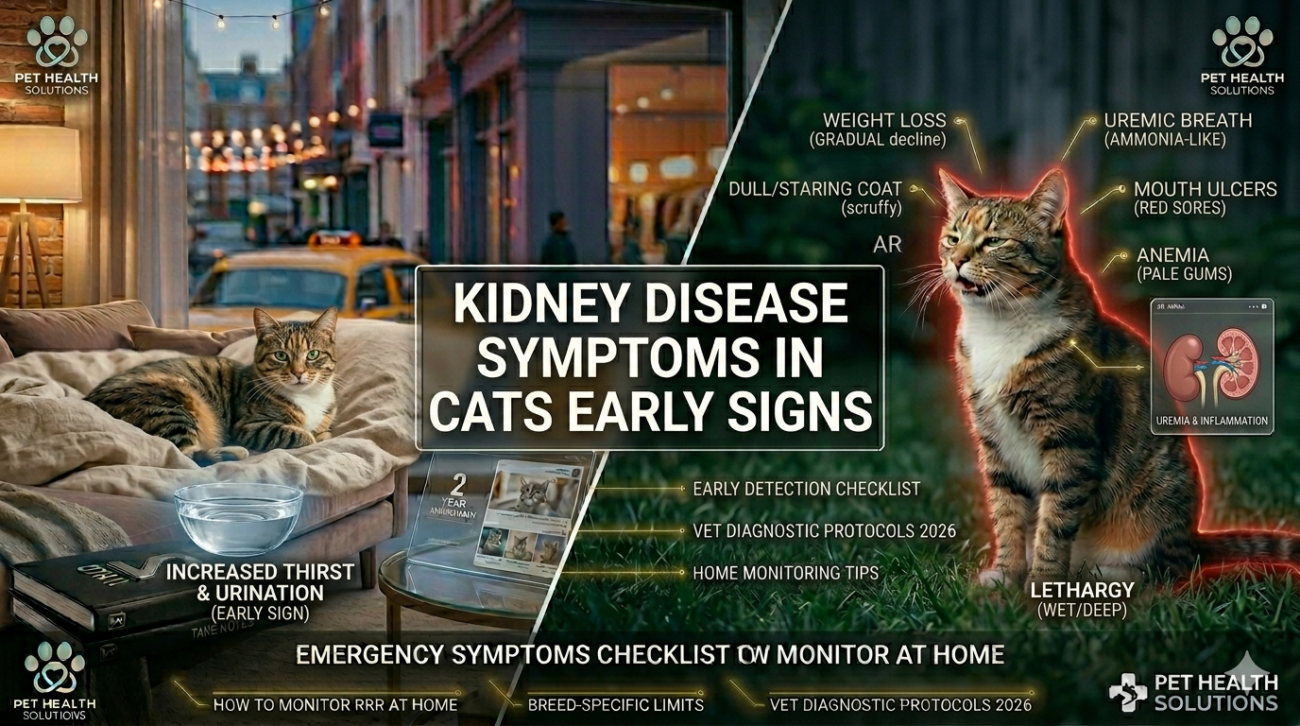
The connection between hyperthyroidism and kidney disease is especially relevant. High thyroid hormone concentrations cause increased kidney perfusion, which may obscure existing kidney damage. Once hyperthyroidism is diagnosed and treated, undetected kidney disease may manifest itself. Thus, veterinary specialists always consider kidney condition before starting the therapy for hyperthyroidism. People looking for information on thyroid problems often read about the symptoms of kidney disease in cats since the two ailments usually coexist.
Diagnosis of Severe Hyperthyroidism
The process usually starts with a physical exam and laboratory testing of blood. Swollen thyroids may be noted by veterinarians during palpations of the neck. Further, testing of blood is used to check the levels of hormones. It is possible that the owner will also have to take some other tests for heart conditions and blood pressure. Given that late-stage hyperthyroidism can cause severe problems in a number of organs, it requires complex testing and thorough diagnostics.
Therapeutic Approaches for Cats with Severe Hyperthyroidism
There are several possible ways to treat hyperthyroidism in cats, which include medications, surgery, and radioactive therapy. The use of pills can be a good decision as it allows regulating the amount of produced hormones. Moreover, radioactive therapy can become a very efficient solution for the vast majority of felines. Surgery can also be considered in certain cases. There are different options for treating hyperthyroidism.
Nutritional Care While Treating Hyperthyroidism in Cats
Nutrition is an essential component in promoting the recovery process and managing cats successfully throughout their lives. In cases where hyperthyroidism is highly developed, cats need increased amounts of calories since weight loss may be experienced. Moreover, proper nutrition contributes to maintaining good organ function. In some cases, vets may prescribe special cat diets. Regularly assessing the eating habits and nutritional status is key during the recovery period.
Monitoring the Symptoms of End-Stage Hyperthyroidism in Cats During Recovery
Monitoring is vital even when the treatment process starts for the owners. Since end-stage hyperthyroidism may manifest itself slowly, it is critical to monitor the signs regularly. Among others, weight, level of activity, appetite, and thirst should be paid attention to. Furthermore, checking blood hormone levels through tests will allow you to evaluate how the treatment is progressing.
Possible Complications If Not Treated
When the disorder is left untreated, there will be dire consequences for the well-being of the individual. There are higher chances that a heart condition, hypertension, kidney issues, and excessive weight loss would develop as a result of persistently elevated hormone levels. Moreover, constant wear and tear put a strain on the organism making it less resilient. In certain instances, organ failure could happen. By being aware of this threat, it is possible to understand the need for immediate treatment and diagnosis.
Kidney Failure Risks
Due to the negative impact of hyperthyroidism on kidney functioning, many pet owners investigate symptoms of kidney failure in cats alongside other issues. These two diseases often overlap in terms of some symptoms, including excessive thirst, weight loss, appetite changes, and exhaustion. Knowing more about how these diseases affect pets is useful for diagnosing them accurately.
Senior Cats and Hyperthyroidism Treatment
Healthcare is crucial for senior felines, and regular visits to the veterinarian help detect possible problems at an early stage. Moreover, it is recommended that cat owners monitor the habits of their pets regarding eating, drinking, going to the bathroom, and exercise. Creating a stable environment may be another step towards better health. Early detection and management are always good ways to prevent serious illnesses in older animals.
Prognosis for a Long Term Living
There are a number of factors affecting the chances for longevity in cats diagnosed with hyperthyroidism, such as the severity of the disease, chosen method of treatment, and any other health issues that might appear. However, many felines have shown improvement after receiving treatment and continued living comfortably and happily for several more years. Regular monitoring allows detecting complications that may occur.
Conclusion
Hyperthyroidism is an extremely dangerous condition that is easy to manage if the right diagnosis and treatment steps are followed. Knowing the late stage symptoms of the condition helps owners spot them at an early enough time before things get irreversible. With all the different ways it can impact feline health from extreme weight loss and gastrointestinal issues to heart and renal problems, there is no doubt about how serious late stage hyperthyroidism is. However, thankfully, there are some modern ways to fight the condition.