Blog
Kidney Disease Symptoms In Cats Early Signs

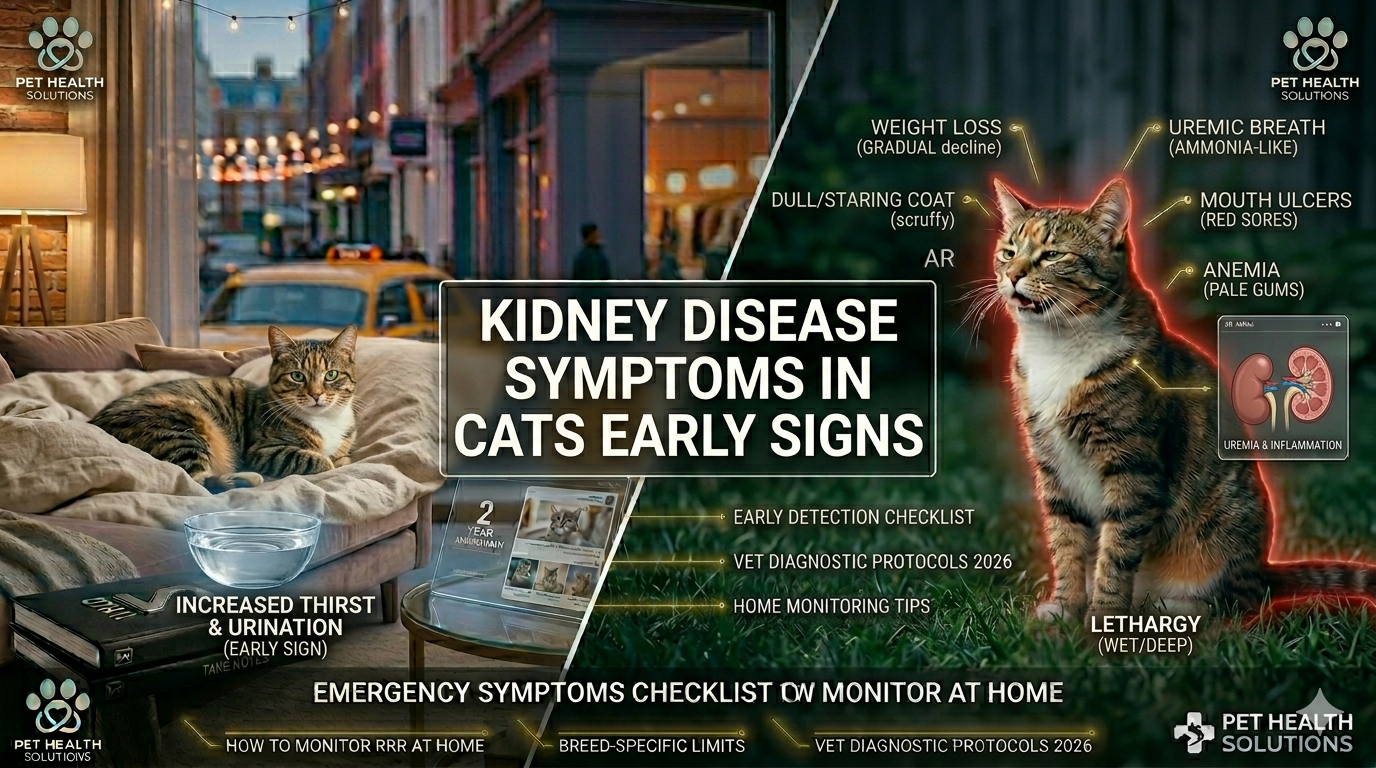
In cats, kidney diseases arise from the failure of the kidneys to efficiently filter out toxins and control the body’s water levels. The kidneys are essential organs responsible for the excretion of waste products, maintaining proper hydration, and overall bodily functions. If the kidneys are no longer functioning effectively, then toxins begin accumulating in the blood system, affecting several other physiological processes in the body. Cats tend to conceal sickness, so the onset of symptoms is often subtle.
Importance of Early Detection
Early detection of any kind of kidney disease means more opportunities for your kitty to manage its illness. In case you spot the early signs of such a problem, it will be easier for you to initiate treatment measures which will improve the functioning of his kidneys. Cats are always more responsive to treatment if they are treated at the earlier stage since there is less destruction. Early detection is very important for preventing any damage that is not reversible. It is important for you to take notice of all the behavioral and physiological signs.
Increased Thirst and Increased Urination Frequency
One of the first symptoms in cats suffering from kidney problems is increased thirst accompanied by an increase in urination frequency. The cat may go to drink more often than usual or take large quantities of water at a time. The frequency of use of the litter box or production of bigger sized clumps may also indicate the presence of kidney problems. It is because when the kidneys are damaged, they fail to retain enough amount of fluid. As a result, the cat drinks more water.
Loss of Appetite and Weight Loss
Cats with early kidney disease often lose interest in food due to toxin buildup in the body. You may notice your cat eating less, skipping meals, or showing picky eating behavior. This reduced appetite leads to gradual weight loss over time. The condition affects digestion and creates a general feeling of nausea. Your cat may approach food but walk away without eating. These subtle changes often appear before more obvious symptoms. Monitoring eating habits helps you detect problems early. Encouraging hydration and consulting a veterinarian supports better management of appetite changes and nutritional needs.
Weakness and Low Energy Levels
The kidneys being affected will make your cat exhibit signs of fatigue and laziness. Your cat may sleep a lot and not play around like before. There will be accumulation of toxins in the blood stream that affect body functions and result to fatigue. Simple tasks could become a burden for your cat to handle. This situation is likely to come gradually and it makes one think that their pet is growing old. However, when there is consistent fatigue experienced, it can indicate the presence of a problem.
Smelly Breath and Changes in the Mouth
If your cat suffers from kidney disease, you might notice a few changes in terms of breath smell and oral hygiene. It is likely to emit a distinctively foul breath odor that is similar to ammonia. The reason for this is that toxic substances accumulate in the blood stream and influence the mouth. In addition, you might notice that your cat is developing mouth ulcers, drooling, and showing problems with feeding. This suggests that toxins are impacting many bodily systems.
Poor Coat Appearance and Changes in Grooming Habits
The coat of a healthy feline is kept clean and sleek because of proper grooming, but kidney ailments have a tendency to interfere with this process. You might observe that your pet does not groom itself appropriately or that its coat becomes dull and coarse. Dehydration and fatigue discourage grooming, thus making the feline look unkempt. Your pet may also lack interest in self-grooming. These alterations typically occur gradually yet offer valuable insights into the inner well-being of your pet.
Vomiting And Digestive Symptoms
Kidney malfunction in its initial stages can be accompanied by mild digestive disorders in cats that can manifest themselves through occasional vomiting. Accumulated waste products in the blood irritate the lining of the stomach and disrupt the digestive process. Your pet will most likely vomit after eating. It can also develop diarrhea or have some trouble passing stool. These symptoms might show up occasionally, making them harder to spot. Recurrent vomiting indicates the need for medical intervention. Being mindful of how your pet digests food can help identify the underlying problem.
Behavioral and Mood Changes
As mentioned, kidney problems usually have an impact on your cat’s mood and behavior. Your cat might be more irritable and distant than usual, and he may even prefer staying hidden in certain places. These changes happen due to the toxins affecting the brain and causing discomfort. You will also notice that your cat is no longer as interested in his regular hobbies. Mood changes typically happen along with other visible signs, and they serve as one of the first signs of potential problems.
Dehydration and Dryness
One of the first symptoms that may be present in a cat suffering from early kidney disease is dehydration, meaning that kidneys fail to retain water. In such case, one will see the following symptoms: dry gums, sunken eyes, and lack of skin elasticity. Cats will need to drink plenty of water due to dehydration that occurs through urination. The imbalance between body fluids and energy levels impacts general health of a feline. It is necessary to examine dehydration in order to identify possible renal disease at early stages. Giving a cat enough clean water is a good prevention measure.
Blood Pressure And Eyes
In cases where there is kidney disease, there will be blood pressure. As a result, the cat may suffer from eye-related symptoms, including enlarged pupils, unexpected vision problems, and reddening. Kidneys play an important role in regulating fluid balance and salt; hence when their function is impaired, high blood pressure arises. The symptoms may occur unexpectedly or slowly progress. It should be noted that such symptoms may arise at an early stage; however, they are mostly associated with advanced stage kidney disease.
Kidney Disease Causes in Cats
A variety of issues lead to kidney problems in cats, including age-related diseases, toxins, infections, and genetic predisposition. Elderly cats have an increased risk of developing renal failure as their kidneys degenerate with time. Toxin and infection may lead to damage to the organ’s tissue. Certain cat breeds display a higher predisposition toward kidney-related problems. Learning the causes will help you be aware of preventive actions. Avoiding exposure to poisons and maintaining hygiene will significantly decrease the risk.
Kidney Disease Diagnosis in Veterinary Practice
Vets employ blood tests, urinalysis, and imaging to diagnose kidney disease. The blood test is done to analyze the amount of wastes in the body, such as creatinine and urea. These will be high if the kidneys are not working well. Tests on the urine are carried out to test its ability to concentrate and any irregularities. Imaging is done to evaluate the structure of the kidneys and their physical state. This gives an accurate idea of the disease’s level. It is advisable to conduct tests early enough.
Management and Treatment
Kidney problems in cats need to be managed in order to slow down their progression and allow the organs to function properly. Your cat may need to have a special diet that would decrease the load from the kidneys and increase its hydration. Medicine can be administered to alleviate any signs of nausea, regulate blood pressure and fluid balance. Sometimes, you may be advised to administer fluids. Follow all the instructions given by your vet for effective treatment. It may not always be possible to cure a cat from kidney failure; however, appropriate management allows it to maintain its quality of life.
Homecare and Assistance
Home care is crucial when dealing with kidney disease in felines. Make sure to have enough fresh water available for your pet at all times. Try to persuade him to drink regularly. Feed him an appropriate diet that will benefit the organs and decrease its burden. Observe your cat’s eating habits and general state on a daily basis. Do everything you can to keep him comfortable. Stick to the vet’s prescription to make sure that your pet feels better.
Stopping Kidney Disease Progression
Although one may not always be able to prevent the onset of kidney disease in their cat, there are methods by which it may be slowed. One of them is regular trips to the vet for routine check-ups. Another method is ensuring that your cat receives adequate nutrition. One should also ensure that there are no toxins around that might damage the kidneys. It is important that your cat drinks adequate water since this will promote a healthy fluid level in his body. By watching the way your cat behaves, one will be able to identify any problems before they worsen.
Conclusion About Early Signs of Kidney Disease
The early warning signs of kidney disease in cats tend to be rather subtle but they signify something very important about the state of your cat’s health. You should be on the lookout for changes in your cat’s levels of thirst and appetite, as well as any changes in his personality. By being vigilant about the early signs and seeking proper veterinary consultation, you will help to ensure that your cat gets the optimal care he or she deserves.
