Blog
How Long do Cats Grow? A Complete Guide for Cat Owners

It is also a common question for owners of playful cats whether their pets will continue to grow or if they are adult cats already. It is important to understand how long do cats grow in order to take into account proper nutrition for your pet and track its development correctly. In addition, growth periods may differ due to the cat’s breed, genetic background, nutrition and health condition in general. Thus, some cats grow to be full adults in just one year, whereas larger cats grow for much longer. Understanding feline growth will allow you to care for your pet in the best way possible without excessive concern over its size and other aspects.
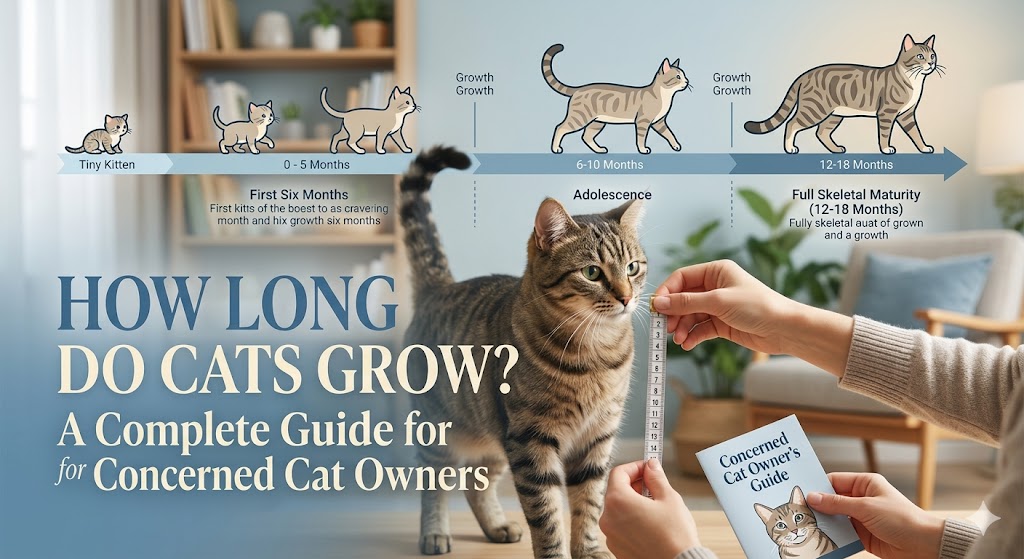
Feline Developmental Stages
The process of feline development includes several important growth stages that cats go through until they become adult animals. At early ages, the fast growth of kittens happens due to the quick development of their bones and muscles as well as organs. Moreover, kittens tend to become active and playful at that age due to the fact that their coordination skills improve. Cats of the adolescent age continue to grow physically and get used to being socialized.
How Long Do Cats Grow As Kittens?
Cats experience their greatest growth rate during kittenhood, especially during the first six months of their lives. The reason for this is because kittens experience quick gains in weight as well as building up muscle tissue and gaining teeth and coordination. Moreover, good nutrition is crucial during this period because growth requires lots of energy. It’s important to know that most kittens develop until about one year old. Nonetheless, the growth pace starts decreasing from the early months onwards. By learning how long do cats grow during kittenhood, owners can better understand how to care for them.
Growth of Various Cat Breeds
Various cat breeds grow differently based on different physical parameters and genetic predisposition. This means that small cats will become adults faster compared to big breeds with heavy bones. Furthermore, Maine Coon cats, which belong to the largest breeds of cats, might even continue their growth until three or four years old. On the other hand, mixed breeds are expected to fall into any category, depending on their characteristics and genes. It’s important not to compare unrelated animals concerning growth as it’s quite normal.
Role of Nutrition in Cat’s Growth
Good nutrition plays a major role in healthy growth of kittens and young cats. Quality foods contain necessary proteins, minerals, vitamins, and healthy fats that allow kittens to develop strong muscles and skeleton. Besides, young cats need more calories since they grow faster compared to adult cats. Moreover, poor diet can negatively affect body development, immune system functioning, and health. Therefore, feeding them quality diets and providing plenty of fresh water on a regular basis is very important to ensure healthy physical development and well-being of cats.
Physical Indicators to Understand When Are Cats Fully Grown
There are certain signs in terms of physical developments that owners can identify if their cat is still growing up or not. The first one is lankiness due to having large paws at an early age compared to other body parts. Also, the physical aspect of muscle mass and chest size becomes more enhanced through the gradual process of maturation. Owners who ask questions like when are cats fully grown know that behavioral factors such as playfulness are also affected by this process.
Spurts and Other Temporary Conditions
Felines sometimes go through spurts, in which the cat’s eating habit, body mass, and activity level can change temporarily over a short period of time. This condition is most common among cats during their kittenhood or adolescence because their body needs extra nutrition to keep developing properly. Sometimes, some kittens can be observed as having thinner bodies for a brief period of time since muscle formation is not yet synchronized with that of bones. Clumsiness in movements during rapid body development is likewise common. Careful observation is important to ensure their health but overfeeding is discouraged.
Differences Between Male and Female Cats
In general, there are noticeable differences between male and female cats during their adolescent stage up to full maturity. Male cats tend to become bigger in terms of body mass due to hormonal effects affecting their muscular and skeletal systems. In addition, females typically mature at a faster rate compared to males according to breed and overall health of the cat. Being spayed or neutered can affect their physical development over the years. While gender causes body size difference in cats, proper feeding and exercise remain necessary.
Factors That Can Impact the Development Period of Cats
A few factors can influence the period it takes for cats to achieve their full development. Firstly, genetics have an effect on how long it takes a cat to mature. Genes determine the cat’s physique, skeletal structure, as well as muscle mass. Furthermore, illnesses, inadequate nourishment, stress, or parasitic infections can affect healthy development negatively in cats. Stressful outdoor living conditions are not suitable for optimal development in some cases. Regular checkups by the veterinarian help detect health issues that can hinder development before serious complications arise.
Why Are Routine Veterinary Visits Important?
Regular visits to the vet remain vital throughout a cat’s developmental period. The veterinarian will observe the cat’s physical appearance, teeth, body condition, as well as weigh the cat to detect developmental concerns. Moreover, vaccines and parasite prevention treatments can help prevent illnesses that could hamper the development process. Timely diagnosis and treatment of any possible nutritional deficiency or medical concern ensures normal developmental processes in cats. Professional advice concerning food and activity routine at each life stage is crucial for proper development.
Physical Maturity Compared With Emotional Maturity
Not all cats mature physically and emotionally at the same rate; there are cases where the body has grown into the adult size of the cat but it still displays the playfulness and behaviors associated with kittenhood months later. Also, social maturity takes time to manifest through age and experience gained. Even when the body has grown less, young adult cats continue to be curious and active explorers, climbers, and players. Pet owners need to acknowledge that the emotional maturation process is unique to each cat.
What Is the Period Cats Will Continue to Grow Until They Become Seniors?
It usually takes from one year to two years for cats to become fully grown. But in some cases, especially where there are bigger cats, there is the possibility that the growth continues beyond this period. Also, cat owners are interested in finding out the age when their cats will be considered as seniors after reaching physical maturity. According to most veterinarians, this is normally seven to ten years old for cats.
Importance of Weight Management for Healthier Development
The importance of keeping track of the cat’s weight is essential when considering the cat’s rate of growth and health status. Unusual or rapid weight gain can be a sign of nutritional problems or illness, which should alert the owner to take steps necessary to improve the cat’s well-being and health status. It is equally important that the owner pays attention to the cat’s body condition rather than its size, as healthy cats always have the right body mass and proportions. The owner must avoid feeding growing kittens excessively as this will lead to obesity, which can cause health-related problems later.
Physical Activities to Ensure Muscular and Healthy Growth
It is critical to pay attention to physical activities since they have a significant impact on muscular development. Cats are excellent athletes with their natural abilities to climb trees, jump high, and move around in any environment. Physical activities will help the cat to develop strong muscles, stay healthy, and manage weight. It is also crucial for indoor cats since they need a stimulating environment for exercise, which includes playing with toys and climbing up on structures for exercise.
Widespread Concerns for Feline Growth
One common issue is that many people get anxious about their pet’s growth by comparing their pet with others found online or within the neighborhood. It is essential to note that healthy cats will always differ in terms of body structure, height, and even weight because of genetic makeup and breed characteristics. Moreover, some felines continue being small and petite all through their lives without having any growth problems at all. Owners need to take more interest in the balance of development, eating habits, behaviors, and medical advice from their vets.
Conclusion
Understanding the various growth stages of your feline will allow you to provide better care and set reasonable expectations regarding growth throughout its lifetime. While most felines will physically mature within the first year to two years of age, growth may be slightly different based on several factors such as breed, nutrition, genetics, and health. In addition, consistent visits to the vet along with proper nutrition plays a vital role in ensuring that growth continues appropriately.
