Blog
Cat Wound Care Explained: Tips, Facts, and Vet Insights

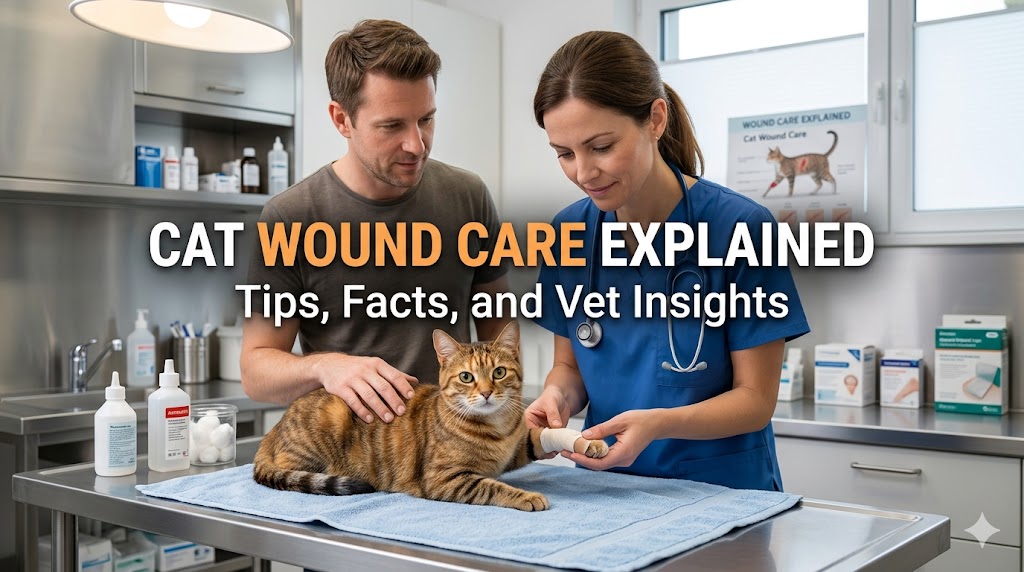
In most cases, cats like to crawl into narrow openings, climb up on harsh surfaces, and play with other creatures. These behaviors make cats prone to sustaining injuries inside their homes and outside. Although some minor wounds will heal spontaneously, more complicated injuries require proper medical care to prevent complications. Learning the right way to manage injuries can save your pet’s life. This article is a guide that outlines various ways you can treat cat wounds safely. Besides, it provides tips on when to contact a veterinarian for professional advice.
Understanding Cat Wounds and How to Treat Them
Knowing what kind of injuries you are dealing with is key to effective cat wound management. Common wounds that affect cats include abrasions, puncture wounds, burns, and lacerations. Most minor scratches will heal with simple cleaning procedures, but bites are likely to cause infections. Therefore, owners should check for inflammation, swelling, pus, or reddishness around the wounded region. Other clues that can help identify an injured cat are limping, aggressiveness, and isolation.
Wound Sources for Cats
Cats have a lot of common sources of wounds due to various factors. For example, outdoor cats have fights with other animals which result in bite and scratch marks on their bodies. Moreover, indoor cats can have injuries because of falling from high places, contact with broken glass or furniture that has sharp edges. Accidents, such as collisions with vehicles, cause great trauma to the body. Sometimes, wounds happen because of excessive grooming due to irritation from fleas or allergic reactions. Usually, cats try to hide pain from their owners, therefore, regular inspections are essential to protect pets from any infection.
Warning Signs of Serious Wounds for Cats
There are some warning signs of potential serious problems which require urgent medical attention. If swelling, bleeding, foul-smelling secretion, or fever occur near the wound, cats have an infected injury. Besides, refusing food or moving, avoiding touching a certain place on a cat’s body, excessive licking are some other possible symptoms that mean cats feel some pain or discomfort. It is necessary to pay attention to blood loss because prolonged bleeding requires immediate action. Puncture wounds are especially dangerous for cats because the bacterial infection gets stuck under the skin.
What Should Be Done in First Minutes After a Wound Has Been Found?
At the very start, try to calm down the animal and secure its movements to avoid scratches or bites caused by stress and fear. Trim the fur surrounding the injured area, as it might contain many bacteria or even pieces of dirt. Rinse the wound with either warm saline solution or plain water, avoiding such chemicals as alcohol and hydrogen peroxide, which could harm the tissues. The final step is to check for swellings or bleeding; proper care at early stages of healing is essential.
Cleaning a Cat’s Wound Properly
The process of cleaning is the most significant part of caring for a wounded animal. Use sterile gauze or any other soft fabric to wash off dried blood and foreign particles. Warm saline is the perfect solution for this action as it cleans without harming the tissues. Also, it is crucial not to neglect hand washing before the procedure to prevent infections. Do not put any human-based medicines without permission from a veterinarian, as the cat might be licking its wound, which will make the product poisonous.
Cat Wound Care That Requires a Vet’s Assistance
While slight scratches can be treated at home, there are instances that require a veterinarian’s intervention. Deep cuts, puncture wounds, heavy bleeding, and exposed muscles must always receive professional attention. Antibiotics, pain medications, and stitches are among possible actions for a vet depending on the condition. In addition, an abscess resulting from an animal bite requires draining and extensive cleaning. Failure to do so will only lead to bacteria getting into the bloodstream. When your cat shows signs of fever, weakness, and difficulty breathing after any wound, consult a veterinarian. Proper action can help prevent complications from causing death.
Why Bite Wounds Are Particularly Problematic
Although they look harmless at first sight, bite wounds can actually develop into dangerous infections inside the body. The cat’s sharp teeth tend to push bacteria deeply into areas with low amounts of oxygen. Therefore, abscesses will occur within days when left untreated. Sudden swelling and pus formation may happen despite the opening in the skin being very small. Bite wounds can result in fever and a poor appetite as well. Outdoor cats are more vulnerable to such types of injuries.
How to Prevent Infection during the Recovery Process
Prevention of infections is one of the key factors of a successful treatment. It is recommended to keep your pet’s wound dry and clean, also following all instructions about medications prescribed by your veterinarian. Cats tend to lick their wounds; therefore, bacteria can appear and interfere with the recovery. The use of the Elizabethan collar could become necessary in order to provide better care. In addition, do not change your cat’s bandage too often since touching a wound irritates the tissue. Be sure to watch out for any symptoms like redness, discharge or odor. If they become worse, visit your vet as soon as possible.
Veterinary Knowledge for Long-Term Recovery
Identifying infection symptoms early helps avoid severe health problems for the injured animal. Swelling, redness, heat, pus, bad smell, or persistent bleeding suggest the presence of bacteria in the wound. Behavioral changes like hiding, aggressiveness, lameness, or lack of appetite can be signs of severe pain or disease. Infections can rapidly progress under the skin without visible symptoms. It is essential to monitor the wound daily during the recovery period. If a cat shows signs of fever, weakness, or increased inflammation in the injured area after a few days, immediate veterinary help becomes necessary.
Nutrition and Its Role in Healing Process
Healthy nutrition contributes significantly to tissue and immune system restoration during healing. High protein levels are crucial for cats with injuries because protein aids skin and muscle tissue regeneration. Vitamins and minerals increase the strength of the immune system and its ability to fight infection. Drinking enough fresh water is also vital since it ensures good blood flow and detoxification of the body. Omega fatty acids are recommended by some veterinarians to facilitate anti-inflammatory processes in cats. Proper nutrition and regular meals improve recovery results.
Creating a Comfortable Environment for Healing
Having a peaceful surrounding enhances the rate of healing of injuries and surgeries. Injured cats should be confined indoors in a quiet room where they are not subjected to any noise, children, or other animals. The use of soft bedding cushions the pain experienced during healing and ensures that the cat rests adequately. Further, restrictions on climbing and jumping prevent the wound from being exposed to any further trauma during healing. It is also advisable to watch out for the cat’s litter box usage, appetite, and activity level since this is an indicator of recovery.
Situation Requiring Professional Vet Help
Any cut that exposes muscles demands immediate vet intervention. Severe bleeding can quickly result in weakness and even fatal blood loss in an animal if left untreated. Besides, deep cuts are likely to need stitches or professional cleaning to heal. While transporting your cat to the vet, apply light pressure to the area using sterile gauze. In case you ignore your pet’s injury, there will be a high risk of infections and other serious consequences. Even though the bleeding may have stopped, tissue damage under the skin is still likely to occur.
Abscesses and Swollen Areas
An abscess is a painful infection that appears in the form of a pocket due to bite wounds. The swelling is hot and may burst, draining infected fluid with a foul odor. Cats affected with abscesses show signs of fever, weakness, and appetite loss due to the widespread effect of infections in their bodies. Moreover, the infection from abscesses may spread further into the adjacent tissues and the blood system. Draining of abscesses, thorough cleaning, and antibiotics are recommended by vets.
Recovery After Veterinary Treatment
Cats that have undergone professional treatment for their wounds need special attention at home. The exact adherence to medication is very important because incomplete antibiotic therapy might lead to infections. Moreover, further visits to the vet will be necessary to make sure that the wound heals properly. Sometimes an Elizabethan collar is required to prevent the cat from licking stitches or bandages. It is necessary to keep monitoring the animal in terms of any changes that could point to problems with recovery. Patience and long-term care are crucial here since in some cases, healing might take weeks.
Prevention of Injuries for Cats
Even if a cat stays indoors, there are still risks of getting hurt by various factors. Dangerous furniture, electric wires, toxic substances, and other hazards might become reasons for injury. That is why it is necessary to remove all such factors and supervise the cat when it plays. It is necessary to keep window screens securely because of the risk of falling when trying to climb through them. Regular nail trimming prevents scratches during play.
Minimizing Risks for Outdoor Cats
Outdoor cats are more vulnerable to accidents caused by cars, predators, and territorial disputes. Controlled outdoor time or cat enclosures can be safer options while still providing opportunities for play and physical activities. It should also be noted that up-to-date immunization prevents infections typically transmitted through biting and scratching. Flea protection is also essential since itching can lead to skin injury and lesions. In addition, microchipping and ID tags increase the chances of finding an injured cat who has wandered off. Responsible outdoor monitoring minimizes the risks of injuries and promotes healthy lifestyles for adventurous felines.
The Importance of Regular Vet Visits
Routine visits to the vet allow identifying underlying health issues before they become serious. There are some diseases that affect the ability of the immune system to function properly and impair wound healing processes. During the examination, the vet can diagnose skin infections, allergies, periodontal disease, or nutrition-related deficiencies. Moreover, professional consultations help prevent emergencies and provide useful recommendations on how to make the home environment safer for cats. Preventive care contributes to general feline well-being and promotes healthy lifestyles.
Conclusion
In order to provide assistance to a wounded cat, one should have patience, be attentive and have enough knowledge. Although some minor wounds can be easily treated at home without any veterinary intervention, others will require immediate medical help in order to avoid serious consequences. The fast reaction, prevention of infections, balanced diet, and comfort are all necessary for healing successfully. Also, learning how to deal with wounds is essential for every cat owner who wants to take proper action in case of an emergency.