Blog
Cat Breathing Fast: Causes, What It Means, And What To Do?

Healthy cats typically have quiet and steady breathing while at rest. Normally, adult cats will have 20 to 30 breaths per minute when at rest. However, changes can occur temporarily after exercise, excitement, or anxiety. The regular observation of a cat’s breathing is highly recommended by cat owners because abrupt changes in breathing may imply health conditions that affect cats. In addition, increased breathing rates often occur even before other signs or symptoms become apparent. Thus, knowledge about a cat’s normal breathing rate becomes important for cat owners who want to detect potential health risks.
Why Does My Cat Breathe Fast?
A breathing pattern that is faster than normal in cats is called tachypnea. This phenomenon may occur suddenly or slowly depending on the cause of the disease. Tachypnea can range from mild to severe in some instances. It is a life-threatening situation when severe and demands immediate attention from veterinarians. Furthermore, some cases of tachypnea may be accompanied by wheezing, coughing, panting, mouth breathing, and abnormal posturing. Therefore, cat owners should not neglect abnormal signs of fast breathing among their pets because these conditions are highly indicative of distress.
Signs That May Accompany Rapid Breathing
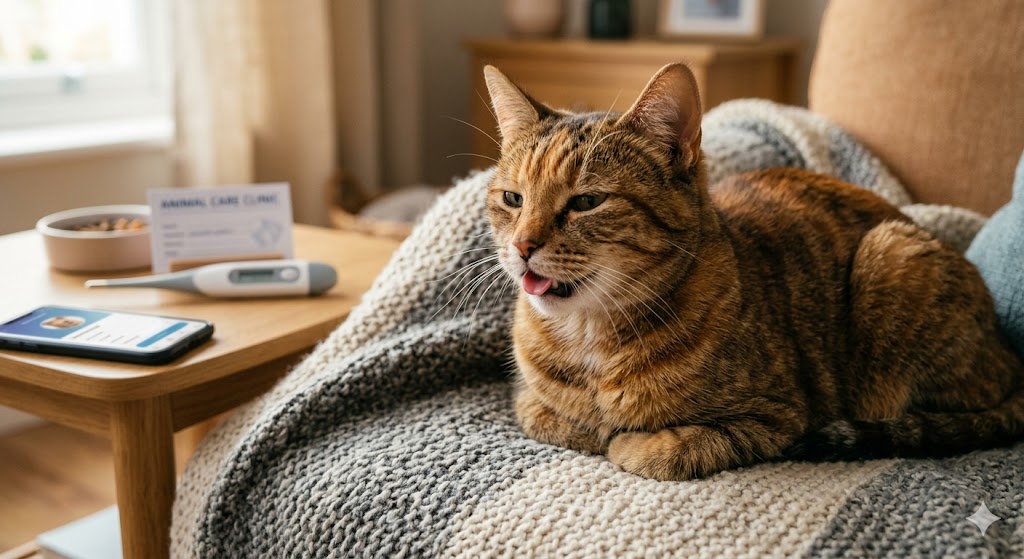
Besides breathing rapidly, some other signs are common when your cat is experiencing rapid breathing. The feline can show signs such as moving its chest excessively, flaring its nostrils when inhaling, extending its neck, and becoming restless or too weak to walk around. Another indication is that the cat will become reluctant to move and prefer hiding somewhere quiet since breathing might not be comfortable anymore. In serious conditions, the cat’s gums may turn white or bluish due to insufficient oxygen intake. Thus, it is essential for cat owners to monitor all physical and behavioral changes of cats closely in order to identify problems with their lungs and receive medical assistance from veterinarians quickly.
Stress and Anxiety Trigger Faster Breathing
Cats tend to breathe more rapidly when facing certain stressful factors. Some examples include going to a veterinarian office, hearing sounds like thunderstorms, meeting strangers or moving into new environments. Besides, when a cat is feeling anxious, breathing rate becomes increased and accompanied by behavioral changes, including hiding, vocalizing, and tensing up. Normally, the condition will get better once the cat gets relaxed. Nevertheless, continuous anxiety could impact the feline’s physical and psychological health significantly.
Heat and Overheating
Heat is another reason that causes rapid breathing in cats. Even though cats tolerate heat well compared to other animals, overheating leads to several health concerns. During overheating, cats may show signs like panting, excessive salivation, or lethargy while trying to regulate their body temperature. Furthermore, dehydration might exacerbate the breathing issues faster. Long-haired, overweight, and brachycephalic cats tend to suffer more from heat. As a result, it is essential to provide adequate drinking water, proper air circulation, and shady places to rest. The situation becomes critical during extreme overheating or heatstroke since extremely high body temperatures lead to organ damage fast.
Upper Respiratory Infection
One of the most common reasons causing rapid breathing in cats is an upper respiratory infection. The disease can be viral or bacterial, leading to irritation and inflammation in the upper air passages. In addition, sick cats may experience sneezing, coughing, nasal discharge, or loss of appetite. Kittens and older cats generally have a higher risk of contracting respiratory diseases since their immune system is more fragile. Upper respiratory infections can easily pass among cats cohabiting in confined spaces. Thus, isolating affected cats and seeking professional advice is highly recommended.
Feline Asthma
The prevalence of asthma is one of the main reasons behind respiratory issues among felines. This disorder triggers airway inflammation, causing air passage obstruction within the lungs. Asthmatic cats tend to exhibit wheezing, coughing, and rapid breathing during episodes. Furthermore, dust, smoke, fragrances, pollen, or stress may provoke asthma attacks. Some cats lie in a low position with elongated necks while experiencing breathing challenges. Consequently, asthma signs should not be taken lightly. Veterinary specialists usually recommend medication and environmental adjustments to manage inflammation and enhance breathing efficiency in felines suffering from persistent asthma.
Rapid Breathing Associated with Heart Problems
Heart-related diseases may greatly influence feline breathing. If the heart muscle finds it challenging to propel blood into the body, fluids may accumulate in the lungs, affecting breathing capabilities. Also, cats with heart disease show high fatigue levels and lack of energy. Most cats attempt to hide their symptoms before developing severe health complications. Rapid breathing at rest constitutes an especially crucial warning sign. Consequently, veterinary assessment becomes essential when unusual changes occur in the breathing pattern of pets.
Pneumonia and Lung Issues
When cats have pneumonia, their lungs are inflamed with fluid in them, making it difficult to breathe. It occurs due to infection, inhalation of foreign objects, and reduced immunity functions. Furthermore, cats with pneumonia will demonstrate fever, cough, lethargy, loss of appetite, and fast breathing. Lung cancer and other chronic lung disorders could cause the same symptoms as well. As a result, quick treatment is required if breathing difficulties are linked with the cat being weak or sick. Lung disease can become more severe quickly, meaning early intervention is essential to maintaining healthy oxygen intake and avoiding fatal respiratory complications in cats.
Rapid Breathing May Be Caused by Pain
Cats tend to breathe quickly when they experience pain. Painful conditions such as injury, fractures, belly problems, arthritic, and other medical disorders can increase breathing rates without displaying any signs on the outside. In addition to that, pain causes cats to be afraid and behave aggressively. As cats mask pain as much as possible, it could take some time for owners to notice the issue. As a result, quick breathing coupled with behavioral issues cannot be overlooked. Identifying hidden injuries and illnesses is important for effective pain management.
Anemia & Oxygen Issues
Cats develop anemia due to a deficiency of well-functioning red blood cells responsible for carrying oxygen to various organs. Shortness of breath may be accompanied by pale gums, weakness, and low physical activity levels. Loss of blood, parasites, diseases, and poisoning are common reasons that may lead to anemia. Hence, pet owners must take action at once after noticing any breathing abnormalities associated with lethargy and weakness in their cats. Veterinary tests on cat’s blood will reveal the problem immediately. It is vital to act quickly since anemia may become a very dangerous condition requiring professional assistance.
Environmental Irritants & Allergies
There are numerous environmental factors that can cause respiratory issues in felines. For instance, cigarette smoke, dust, perfumes, chemical odors from sprays, air fresheners, and candles may irritate cats’ air passages. Some felines have allergic reactions to pollen, molds, and household chemicals. Cats’ rapid breathing rate may be caused by such substances that have triggered an inflammatory response. Thus, to keep feline lungs healthy, owners need to eliminate harmful irritants as soon as possible. They should refrain from smoking indoors and minimize use of strong household sprays.
Excessive Weight and Difficult Breathing
Being overweight leads to the added stress being put on the lungs and heart of a cat. An obese cat often breathes hard after engaging in any physical activities as the cat needs to make extra effort in moving around and oxygenating its organs. Moreover, there is also increased chances of developing diseases like diabetes and heart failure, as well as lowered endurance. Some overweight cats have breathing difficulties in warm climates as well. Consequently, keeping an optimal body weight can help a cat breathe easier and promote general health.
Fast Breathing in Kittens
It is quite natural that kittens tend to have quicker breathing rates than adult cats due to intensive growth and high energy demands. Still, very fast breathing is an alarming sign that can be caused by infections, congenital heart defects, anemia, or even respiratory issues. Moreover, kittens become ill easily because their immune systems are not yet fully developed. Therefore, one should be careful with observing nursing, energy level, and breathing rate in kittens. Rapid breathing in kittens should always receive a veterinarian’s attention because young kittens tend to deteriorate fast due to lack of oxygen.
Breathing with Mouth Open in Cats
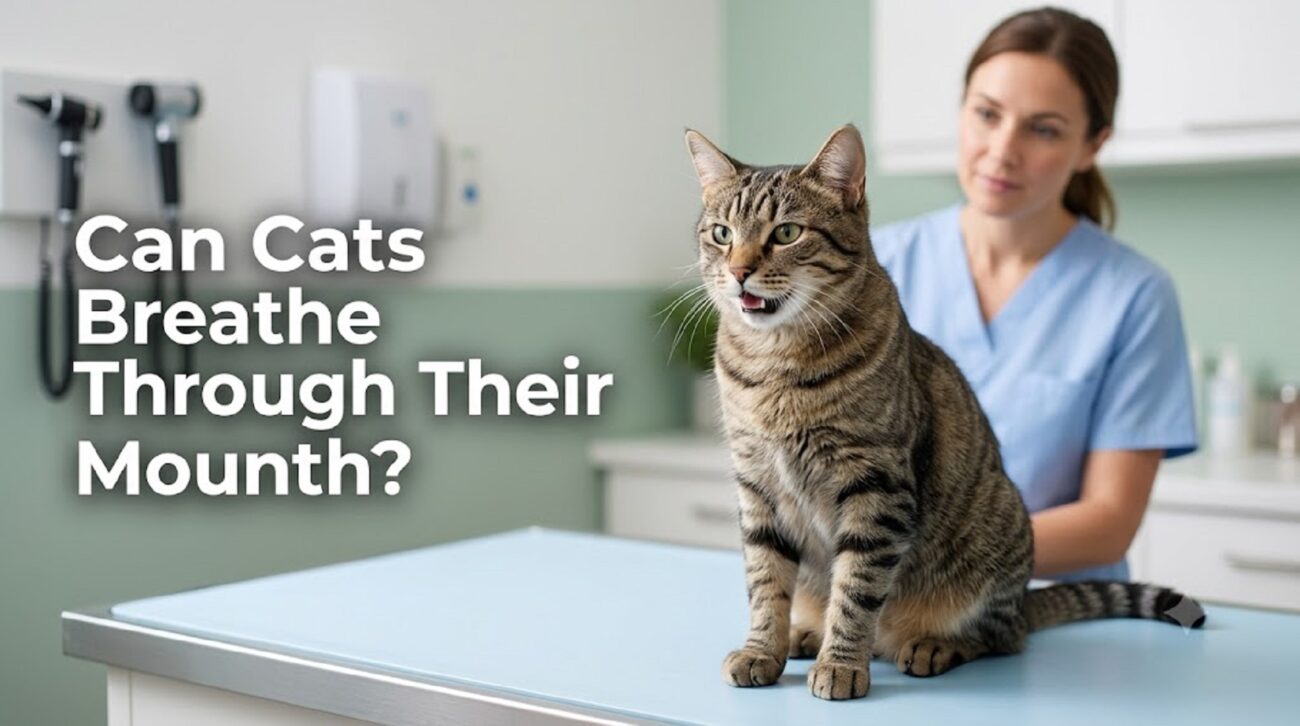
A cat breathing with its mouth open is usually an indication that the animal is experiencing some kind of difficulty or illness. In cats, panting is uncommon even under stressful situations. It is usually an indicator that something is seriously wrong with the cat’s health. The condition may be accompanied by other symptoms like drooling, collapse, panic, and struggle to breathe. Veterinary intervention is necessary when any of these symptoms occur. The owner should try to remain calm and not move the animal unnecessarily until it gets to the hospital. The survival rate will be higher in such cases as oxygen deprivation causes organ damage quickly.
Emergency Signs for Fast Breathing in Cats
There are instances when the cat’s breathing requires immediate veterinary intervention. Some of the conditions include breathing difficulties, collapse, breathing through the mouth, and blue gums. Also, any sudden change in breathing following a traumatic incident, poisoning, or illness is a cause for alarm. An owner must act without delay in such situations since waiting for the condition to resolve naturally can lead to dire consequences. It is therefore crucial to identify emergency indicators in cats’ fast breathing to prevent fatalities.
How Do Veterinarians Diagnose Rapid Breathing?
There are many ways in which veterinarians can determine the reasons why fast breathing occurs in cats. Firstly, they will assess respiration patterns, auscultate heart sounds, check the color of gums, and monitor body temperature. Secondly, chest X-rays usually help detect infections, fluid retention, asthma, or other types of diseases in the lungs. Thirdly, blood samples might help determine whether the animal suffers from anemia, infection, or organ dysfunction. Sometimes, more complex diagnostic tools like ultrasound or magnetic resonance imaging become necessary. Thus, proper diagnosis involves professional testing. Prompt identification of the cause allows veterinarians to develop a safe and appropriate treatment strategy for each cat.
Treatment Strategies for Fast Breathing
There are no universal approaches to the treatment of rapid breathing because the choice of therapy heavily depends on its causes. For example, if the underlying reason for fast respiration is a respiratory infection, the cat will likely need antibiotic therapy. If asthma is the cause, then the treatment would consist of administering corticosteroids or inhalants. Moreover, oxygen therapy might be beneficial for cats suffering from severe breathing difficulties. The treatment of heart disease could involve diuretics that alleviate fluid retention and enhance circulation.
Things That Cat Owners Should Do at Home
Owners should stay calm when they see their pet having fast breathing. Getting stressed will only cause more harm to their pets. To begin with, it is advisable to take them to a cool place free of noise and excitement. It is also necessary to watch for other signs that accompany breathing difficulties, including breathing rate and posture. Pet owners are discouraged from force feeding cats with food or handling them too much. Consequently, the best thing that can be done under such conditions is to consult the vet on what is the best course of action to take.
Preventive Measures against Cat Breathing Difficulties
While not all respiratory diseases affecting cats are preventable, there are various practices that cat owners should embrace to ensure optimal health for their pets. Among the practices is regular vet check-ups to detect diseases as early as possible. The others include keeping pets at healthy weights, good air quality indoors, regular vaccination, and stress reduction. Avoiding smoking in the presence of pets and storing harmful substances out of reach will also contribute immensely. Good nutrition promotes respiratory health as well.
Final Words on Cat’s Rapid Breathing
Fast breathing in cats can never be overlooked since it can be an indication of various issues ranging from stress to serious health complications. While there could still be certain instances that will prove to be less problematic, others will require immediate veterinary attention just to ensure smooth circulation of oxygen throughout the body. It is crucial that cat owners become familiar with healthy breathing rates and any abnormality observed. As of 2026, veterinarians will keep stressing the importance of timely medical intervention upon noticing any breathing difficulty associated with other symptoms.