Blog
Can Cats Eat Seaweed? A Clear, Vet-Backed Guide For 2026

The topic of whether or not cats could safely consume seaweed often puzzles cat owners. This food is part of healthy human food and even supplements. But the way cat bodies function is different. Thus, it is necessary to learn about the advantages and risks associated with feeding seaweed to pets. By 2026, veterinarians would still caution cat owners about possible complications, which makes it necessary to exercise care when choosing types of seafood to give to felines. While there are some forms of seaweed that can be given safely, others will pose severe health risks.
Reasons Why Cats Get Interested in Seaweed
One of the main reasons why cats become interested in seaweed is related to the smell. The peculiar scent and taste make it appealing to many cats. There are many kinds of seaweed that have a specific smell associated with fish flavor. What’s more, crunchy roasted seaweed is also likely to pique the interest of playful pets. Nevertheless, it does not mean that curiosity translates into the need of cats to obtain more nutrients from this food product.
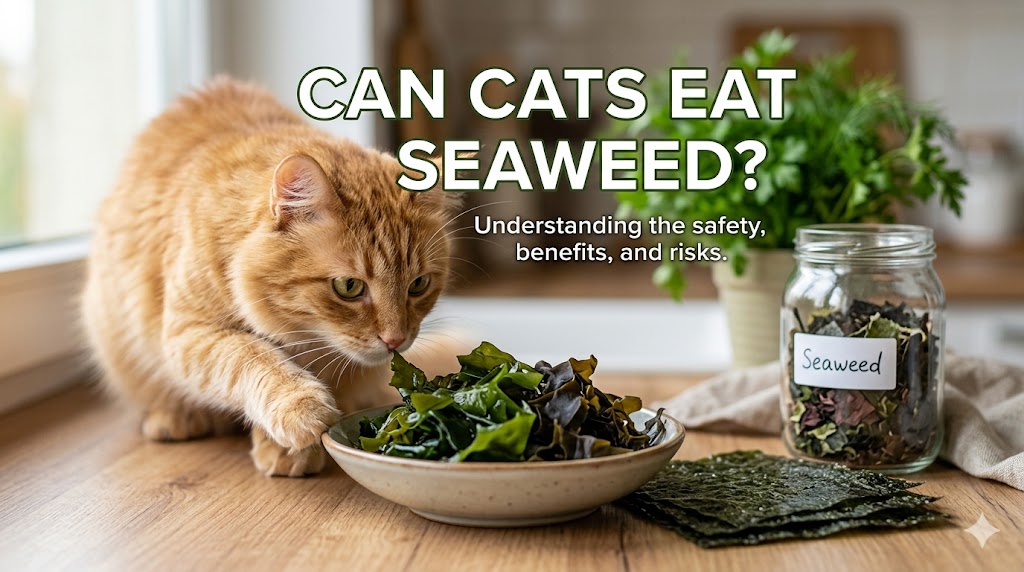
Is Seaweed Safe for Cats?
Raw, unsalted seaweed can be relatively safe for cats to consume if done appropriately. Most experts agree that raw, natural seaweed without any seasonings is relatively harmless. However, the term “safe” heavily depends on the species of seaweed and how much the animal eats. The majority of human seaweed snacks contain salt, garlic, onions, and other spices that might cause severe side effects in pets. Hence, the owner must refrain from offering processed and flavored snacks to their cats. Plain seaweed is the most suitable and harmless product available for animals.
Nutrients Found in Seaweed for Cats
Some types of seaweed contain beneficial elements that might improve overall health in felines. For example, natural seaweed naturally consists of vitamins, iodine, magnesium, calcium, and iron. Some species of algae also provide essential antioxidants that protect body cells. Although the above-listed ingredients might contribute positively to the cat’s health, these animals get all required nutrients through commercially-produced pet food. Therefore, seaweed cannot serve as a replacement for balanced nutrition in the cat’s diet.
Various Types of Seaweed That Cats Can Consume
There are different types of seaweed available in the market. Nori, kelp, wakame, and dulse are some of the most prevalent seaweeds available. The plain nori sheets used in making sushi are considered one of the safest forms of seaweed that can be given to cats. Kelp is another type of seaweed that is found in pet supplements due to its rich mineral content. However, feeding cats with kelp can lead to thyroid issues due to the high iodine content. Similarly, wakame and dulse may also be safe for cats but in moderate amounts.
Can Cats Eat Nori Seaweed?
Nori seaweed is considered the safest seaweed that can be consumed by cats. Nori is found in the majority of sushi rolls, and many cat owners have it in their homes. Unlike other seaweed types, nori sheets contain fewer chemicals such as salt. Moreover, nori sheets have a thin structure, which makes them easy to consume for cats. However, it is essential to provide small pieces of nori instead of giving a whole sheet to the cats.
Are Kelps Safe for Cats?
The mineral content and other nutrients present in kelp make it a good food item for cats to be fed in moderation. There are pet foods that include kelp to aid skin and fur care, but too much intake of the same can be hazardous for thyroid due to excessive iodine content. Therefore, cats with thyroid disorders need to be cautious about any kelp-based product without a veterinarian’s approval. Raw kelp sourced from beaches might carry pollutants or bacterial infections as well as toxins that could be harmful for cats. As such, pet owners must rely on commercially available, pet-friendly products made using kelp exclusively for animals.
Benefits of Seaweed for Cat Health
Seaweeds can be advantageous if used in appropriate quantities. To begin with, they contain antioxidants that contribute to overall immunity and minimize oxidative stress. Moreover, specific nutrients in seaweed can promote healthy skin and fur and metabolic health. Besides, there is fiber content in seaweed that can improve digestion in some cats. Finally, natural elements in seaweeds can help improve dental health by decreasing oral malodor in some cats. Even so, all these benefits should not be prioritized ahead of nutrition for cats.
The Hazards Associated with Seaweed for Cats
Although there are numerous advantages, feeding seaweed poses significant hazards to cats. Overeating iodine can adversely affect their thyroid glands, particularly in older felines. Moreover, many seasoned seaweed treats have additives, such as salt, garlic, onions, chili powder, or other artificial substances that may harm cats. Some felines tend to develop vomiting, diarrhea, or even stomach pains when consuming seaweed. Finally, dried seaweed can pose a choking risk for cats due to its size. Thus, cat owners should be extremely careful when adding this supplement to an animal’s diet.
Harmful Additives Frequently Included in Seaweed Snacks
A considerable number of commercially produced seaweed snacks contain harmful elements. Namely, the presence of garlic and onion powder is especially dangerous because it damages the hemoglobin content in felines’ red blood cells. In addition, excessive amounts of sodium lead to dehydration or kidney problems in pets. Artificially flavored seaweed may cause digestive problems in some animals, whereas unhealthy additives like sugar and oil will not bring any nutritional value to them. Thus, cat owners should be vigilant regarding their pet’s safety.
Can Kittens Have Seaweed?
Kittenhood is a particularly critical time when it comes to nutrition since their bodies are still in development mode. While very small doses of plain seaweed won’t do any direct harm to your kitty, experts advise against giving them anything else besides their kitten food until they’re older. The kitten diet needs to include all the essential vitamins and minerals to promote bone formation, boost immunity, and facilitate normal growth. In addition, kittens have a much more sensitive digestive system. Feeding them with seaweed could result in some digestive discomfort.
How Much Seaweed Is Safe For Cats?
It goes without saying that moderation is crucial when feeding your feline friend with seaweed. In most cases, veterinarians suggest feeding only very small amounts from time to time, instead of giving the food daily. Just one small portion of plain nori once or twice per week is sufficient. Too frequent feedings could lead to an excessive intake of iodine and disrupt nutritional balance. What’s more, treats might contribute to obesity. Therefore, only a minuscule proportion of your kitty’s daily calories should come from seaweed.
Warning Signs of an Adverse Reaction to Seaweed by Your Cat
Not all cats will respond poorly to seaweed. However, it is essential to be cautious because adverse effects can happen after consumption. For instance, cats may vomit or have loose stool. Other signs include drooling, bloat, reduced appetite, or lethargy. The salty snack could also lead to abnormal thirst in your cat. An allergic reaction to the sea plant may not be common but is still possible. In case your pet reacts poorly to the seaweed, you need to contact a professional vet right away to avoid aggravating the situation.
Things You Should Do If Your Cat Consumes Too Much Seaweed
Your cat might eat food without notice when you least expect it, such as when you are not paying close attention. Once your cat consumes a lot of seaweed, you should take action. First, read the labels to confirm what the food consists of. Seaweed alone is unlikely to trigger serious side effects in your cat, while flavored types like those with onions or garlic should alarm you. Over consumption of the plant may lead to dehydration because of the high salt content.
Seaweed in Sushi – Is It Safe for Cats?
The seaweed found in sushi can be consumed by cats only under certain conditions, such as proper preparation. Unseasoned nori sheets can be considered the safest product. Meanwhile, sushi rolls contain many potentially dangerous ingredients, like sauces, seasonings, spices, onions, garlic, and even raw fish unsuitable for cats. Moreover, rice and high-sodium soy sauce do not add any essential nutrients to cat meals. As a result, pet owners must never feed their cats with entire sushi rolls since they are extremely unhealthy. Only small pieces of unseasoned nori can be used from time to time when the product is safe and does not contain seasonings.
Use of Seaweed in Cat Foods
Premium cat food often includes a little amount of seaweed as one of the additives for improving cats’ nutrition. The manufacturer may use kelp and other types of seaweed because they have numerous trace minerals and antioxidants. Besides, some cat food formulas can be enriched with this ingredient for maintaining cats’ skin and fur in good condition and promoting proper digestion. The fact that these foods are tested and contain appropriate portions makes them more preferable than experiments with homemade food.
Do Cats Need to Feed on Seaweed Daily?
It is not necessary to feed cats with seaweed daily. Despite the fact that seaweed provides beneficial nutrients, cats typically get their nutritional needs met from high-quality commercial cat food. Frequent intake of seaweed might elevate iodine concentration and lead to certain changes in thyroid gland activity. Besides, offering your pet repeated treats may lead to development of unhealthy eating behavior or digestive complications. That is why veterinarians advise against such actions and recommend using seaweed only occasionally. Cats should obtain nutrients from protein sources rather than vegetation-based foods.
Are Wild Seaweeds and Seaweeds from the Beaches Safe to Feed to Cats?
Wild seaweeds collected directly from beaches are strictly prohibited from being fed to cats. Seaweeds may carry ocean pollutants and toxic chemicals along with bacteria and parasites hidden under their surface. Some marine algae may develop toxins that can be dangerous for human and animal consumption. Seaweeds found on beaches may also have dangerous fragments, chemicals, or other harmful organisms not visible with an unaided eye. Therefore, the owner of the cat should use only commercially processed foods based on seaweed to avoid contamination. In order to ensure health and safety, it is necessary to prevent ingestion of any potentially hazardous substances.
Advice from Vets on Feeding Seaweed to Cats
Most of the specialists advise to feed plain seaweed sometimes and in small portions. In addition, they advise against using highly seasoned commercial seaweed snacks. Most veterinarians insist on choosing healthy, well-balanced food for the cats rather than various trendy superfoods. It is also important to control portion sizes and keep the level of iodine intake low. Owners should consult their veterinarian before adding more supplements to cat’s diet or trying a new food item if cats have some diseases.
Proper Ways of Giving Seaweed to Your Cat
The owners interested in offering their cats some seaweed have to adhere to several recommendations that will guarantee that this food will not cause harm to the animal. Firstly, they have to use unseasoned plain seaweed. Secondly, they have to break the seaweed into tiny pieces. Thirdly, it is required to offer a minimal quantity of this product to start with. Also, it is necessary to ensure that no harmful seasonings or substances get mixed with seaweed. Finally, the fresh water should be offered since dried seaweed can make an animal feel thirsty. By taking these simple steps, the risk will be significantly decreased.
Conclusion about the Safety of Seaweed Consumption by Cats
Seaweed is a safe food that can serve as an occasional treat for cats if used correctly. As such, plain and unsalted types, e.g., nori, are preferable. At the same time, cats should avoid consuming highly-seasoned and salty products. In spite of its potential benefits related to the high content of minerals and antioxidants, cats have to receive their main nutrition from animal sources. Hence, seaweed can be consumed occasionally but cannot become a regular part of feline diets in 2026.