Blog
Cat Throwing Up Food: A Complete Nutrition Guide For Cat Owners

Cat owners tend to get concerned when they observe that their cats are frequently throwing up food after eating their meals. While occasional vomiting can occur in some cases, repeated episodes suggest certain nutritional problems or problems related to digestion. The reasons for cats’ vomiting can be rapid consumption of food, intake of low-quality products, or food sensitivity. Moreover, such behaviors as anxiety or dehydration can trigger vomiting in cats. Thus, learning about the causes of vomiting can help in improving the condition of pets. Observing how cats eat is essential for promoting proper nutrition in cats.

Vomiting vs. Regurgitation
Many cat owners struggle with recognizing the difference between vomiting and regurgitation since both illnesses have common signs. In reality, however, vomiting involves stomach spasms, partial digestion of food, and a mixture of liquids and bile or other substances. In turn, regurgitation involves a quick release of unprocessed food from the esophagus and does not cause stomach spasms. Additionally, one should mention that regurgitation is rather common among cats consuming excessive amounts of food or swallowing large chunks. Thus, knowing the differences between these two disorders allows one to make appropriate conclusions concerning the animal’s nutrition.
Significance of Proper Cat Food Consumption
Proper nutrition has a significant influence on maintaining optimal digestion and minimizing the risk of vomiting. Indeed, cats need special types of food with high amounts of animal proteins, healthy fats, essential vitamins, and minerals required by the body for its proper functioning. In addition to this, low-quality cat food contains many unnecessary fillers, artificial additives, and unhealthy ingredients. Regular consumption of such food often leads to irritation of the cat’s stomach and frequent vomiting. Thus, proper feeding allows one to ensure optimal digestion and better immunity.
Rapid Consumption of Meals Causes Vomiting in Cats
Another common cause of vomit in cats is eating too fast. This behavior results in food and air being rushed into the digestive system, thus causing the animal to throw up after eating. The reason behind this is often an attempt by the animal to complete its meals before its peers if there are other pets in the house. However, some adjustments made by owners make it possible to address this issue and prevent vomiting in cats. Slow-feeding bowls and puzzle feeders ensure that the cat eats at a moderate pace. It also helps if you give your pet small meals at different times during the day.
Food Sensitivities and Intolerances
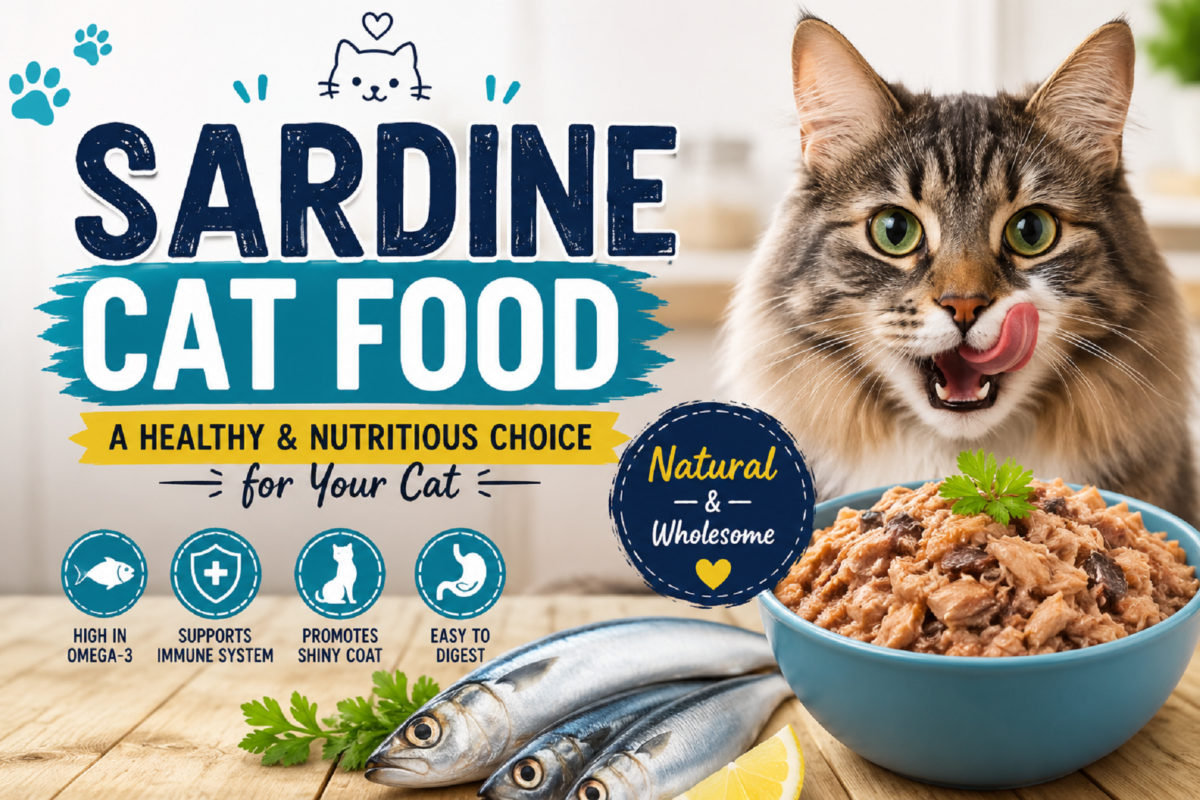
Another frequent reason why many cats throw up after meals relates to food intolerance. Ingredients like dairy, fish, grain, or additives irritate the sensitive digestive system of the animals. Other signs of sensitivity in cats may include itching, vomiting, or diarrhea. In order to identify the specific ingredient responsible for digestion problems, you have to try different diets with the help of veterinarians. Limited-ingredient cat food is especially beneficial to such animals.
Wet Food Compared To Dry Food
When dealing with vomiting issues, selecting the proper type of diet is vital for cat owners. As we have already discussed, wet food provides additional moisture necessary to ensure proper hydration and digestion. Besides, wet food tends to be easier to digest as it provides cats with the same level of moisture as in their natural diets. While dry food is very convenient and might contribute to teeth cleaning, some cats cannot consume dry kibbles without problems. In turn, combining these two types of food might bring great results. Thus, experimenting with cat food and finding the right way to nourish them is crucial.
Hydration Is Very Important
One cannot underestimate the significance of proper hydration. Since cats do not drink enough water by nature, frequent vomiting only aggravates dehydration. Dehydration is particularly dangerous since it leads to the slowing down of digestion and irritates the stomach. Thus, owners should provide their pets with clean and fresh water regularly, and ensure that cats drink it sufficiently often. Additionally, wet food is helpful in terms of improving cats’ digestion and increasing the number of liquids. Water fountains might also be beneficial because cats like to drink moving water.
Hairballs and Digestive Issues
Hairballs are among the leading causes of vomiting of food and other stomach contents in cats. As cats groom themselves, they eat their fur. Sometimes, the fur is not digested well and accumulates within the cat’s stomach. Long-haired cats tend to have more hairballs than short-haired cats. Stress and overgrooming may worsen the problem. There are specific diets formulated to control hairballs by providing additional fiber. Brushing cats’ fur on a regular basis may help get rid of loose hairs. Consequently, it would be best if proper grooming practices were coupled with proper nutrition.
Problems with Low-Quality Cat Food
In many instances, poor-quality cat food causes stomach irritation and vomiting due to its poor quality. Cheaper brands of cat foods often consist of filler ingredients, artificial flavorings, preservatives, and substandard protein sources. Such foods do not have necessary ingredients for healthy digestion in cats. Eating poor-quality cat food repeatedly may affect their immunity negatively and irritate their stomachs. Quality cat foods have high-quality proteins and nutrients to ease digestion. Although expensive, such cat foods prevent further medical bills later.
Rapid Food Intake Causes Discomforts
The cat’s digestive system is very sensitive and reacts unfavorably to rapid changes in their diet. The abrupt introduction of food can cause vomiting, loose stools, or reduced appetite since the digestive system requires enough time to adjust gradually. Vets advise transitioning from one kind of food to another for about seven to ten days to prevent adverse reactions. In addition, closely watching the cat’s behavior and bowel movements can help detect food intolerance at an earlier stage. It becomes vital to minimize vomiting cases in pets through gradual adjustment when introducing any diet. Thus, owners must be very careful with their cat’s diets to maintain healthy digestion.
Feeding Portion Size Prevents Health Issues
An excessive food intake is the main cause of digestive problems such as vomiting. Most owners tend to give too much food to their cats thinking that feeding more will make their pets happier and healthier. It is essential to know that cats prefer frequent feedings compared to big food portions at once. Excess portions stretch the digestive tract and interfere with digestion, resulting in frequent vomiting. Measuring the amount of food reduces vomiting episodes while supporting good digestion.
Stress and Emotional Well-Being
The influence of stress on digestion is often underestimated by cat owners. Stressors that can cause a cat to vomit include a change in schedule, noise, other animals, and unfamiliar settings. Stressed felines tend to overeat and groom, both of which increase digestive discomfort and hairballs. Calming feeding zones and establishing regular habits minimize emotional stress. Playing with interactive toys and having a quiet sleeping spot will enhance your pet’s emotional well-being. Pheromones diffusers can be beneficial in stressful circumstances. Thus, managing the emotional state and diet will help avoid vomiting and improve digestive tract functionality.
Understanding Protein Needs
As obligate carnivores, cats rely on protein-rich food for overall health and efficient digestion. Protein is required for muscle strength, immunity, and energy. Furthermore, poor-quality proteins are hard to digest and lead to vomiting. It is recommended to use high-quality animal proteins like chicken, turkey, and rabbit. However, some cats become allergic to certain proteins over time.
Fiber and Healthy Digestion
It is an important element in helping to promote healthy digestion and prevent vomiting due to hairball or constipation issues. Its help promote better movement of food or ingested hair inside the feline gastrointestinal tract. Fiber also promotes the growth of good bacteria in cats and promotes healthier stools in several felines. Fiber that is present in large amounts may affect nutrient absorption in some animals, thus the need to consume the correct amount of fiber. In particular, cat foods specially formulated with appropriate amounts of fiber are important for promoting healthy digestion.
Feeding Tips for Sensitive Cats
Several feeding tips are recommended when feeding cats that are prone to vomiting. The feeding of smaller portions of food on several occasions is advised to prevent difficult digestion and minimize the chances of vomiting. Feeding your feline pets from elevated bowls may be beneficial since the elevation facilitates swallowing in some cats. Avoiding any form of table scraps or new types of treats is highly recommended when dealing with vomiting cats.
Digestive Changes and Senior Cats
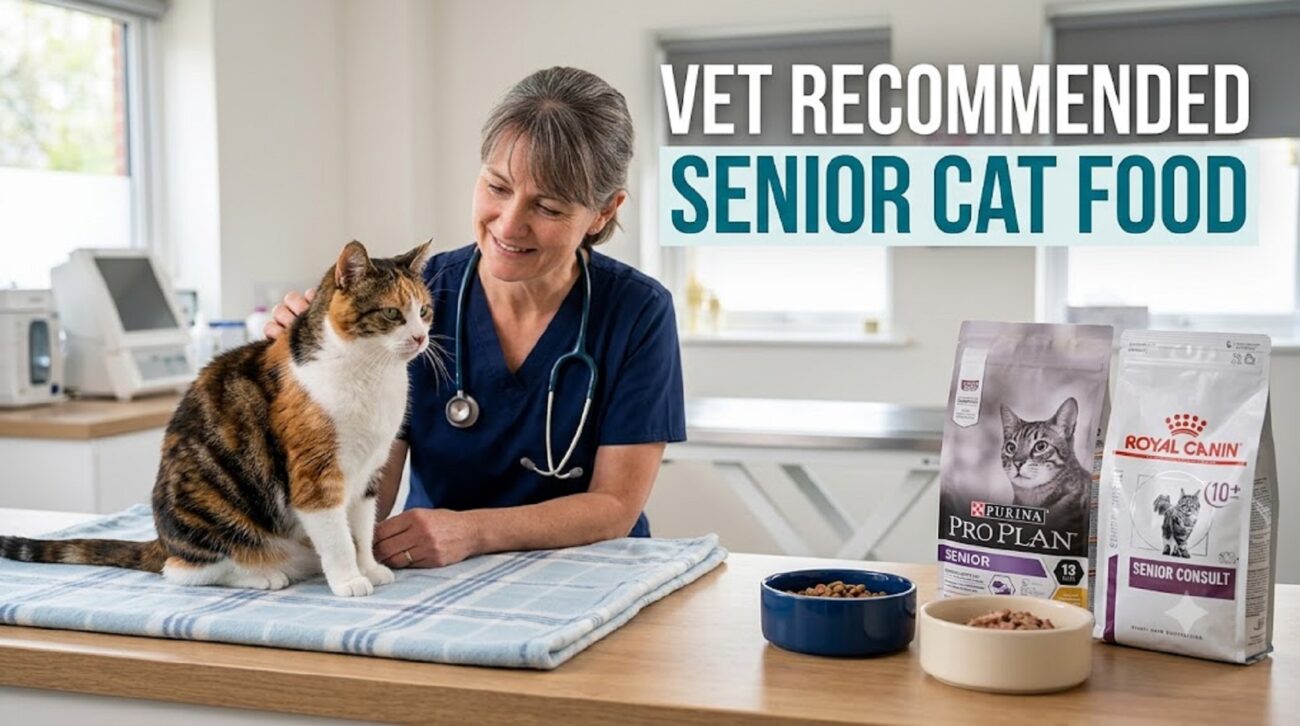
In many cases, senior cats develop various digestive disorders and become prone to experiencing frequent vomiting. Metabolism, organ functioning, and the ability to absorb certain nutrients decrease with age, increasing the likelihood of stomach sensitivity. Kidney problems, thyroid issues, and inflammatory bowel disorder are the most common reasons why older cats vomit.
Toxic Foods That Cats Should Avoid
Some human foods and household substances may irritate your pet’s gastrointestinal tract causing vomiting. Onions, garlic, grapes, dairy products, and chocolate are among the foods that may lead to an emergency situation due to toxicity or discomfort. Also, cats usually chew foreign objects and plants that are not suitable for digestion and can cause obstruction. In general, it is necessary to store toxic and irritating foods and other substances properly and make sure that your pet does not have access to any of them.
When Should You Take Your Cat to the Vet?
Even if your cat occasionally throws up, you shouldn’t dismiss it as a minor issue. If you observe that your cat is losing weight, refusing to eat, appearing extremely sluggish and lethargic, showing dehydration, vomiting blood, or suffering from diarrhea, contact a vet as soon as possible. Additionally, frequent vomiting over many days can result from an illness, infection, or a blockage in the intestines that requires treatment. Through physical exams, blood work, and various diagnostic tests, veterinarians identify the cause of the problem. Thus, do not neglect any unusual digestive symptoms in your cat because it helps avoid severe complications and ensures the health of your pet.
How to Prevent Future Vomiting Episodes?
To prevent vomiting, you should provide adequate nutrition to your cat and develop good eating habits. High-quality cat food helps with healthy digestion. At the same time, portion control will ensure that you don’t feed your cat too much, thus avoiding excessive stomach loading during meals. Regular brushing helps reduce hairballs and avoid irritation in your pet’s stomach due to the swallowed fur. Besides, try not to cause your cat any stress to avoid digestive discomfort.
Conclusion
There are several reasons why cats regurgitate their food such as fast feeding, improper nutrition, food allergies, stress, among others. While regurgitation may not seem dangerous at first, frequent occurrences usually indicate that there is something wrong that needs addressing. In order to avoid such complications, owners can better understand their cat’s nutritional requirements so that proper food and feeding techniques are adopted. Hydration and proper portions should also be considered as a means of improving digestion and overall wellbeing. The best approach is therefore to implement proper nutrition and take proper care of cats on a daily basis.