Blog
Silica Cat Litter Manufacturing Process

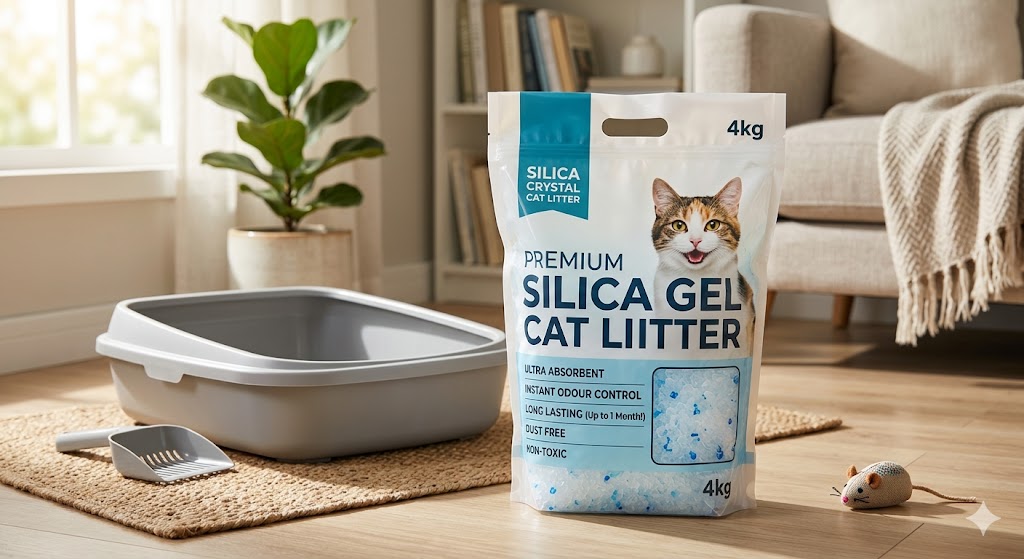
By definition, silica cat litter manufacturing process means the way of producing highly efficient cat litter using silica gel crystals. Indeed, silica gel crystals production implies the use of some chemical reactions and drying processes in order to make crystals from raw materials. That is why the final product has high ability to absorb moisture and reduce odor. It is worth mentioning that low dust, durable properties, and lightweightness are among key features of silica cat litter. Nowadays pet industry requires hygiene and convenient products; thus, the process under discussion is crucial for this market.
Ingredients Used in Silica Cat Litter Manufacturing
High-quality quartz sand and sodium carbonate are raw materials for making silica cat litter. It is noteworthy that the higher purity raw materials have, the better quality of final product will be. Moreover, water and acid solutions (sulfuric acid) serve as ingredients during manufacturing process. It is clear that chemical structure of silica gel implies the presence of exact ratios between all chemicals used. Finally, odor control and color additives might be included during manufacturing process as well.
Step One: Creation of Sodium Silicate Solution
The process of manufacturing silica gel cat litter starts with creating sodium silicate, more commonly called water glass. Quartz sand and sodium carbonate undergo heating at very high temperatures in specialized industrial furnaces. Consequently, there happens to be a chemical reaction resulting in the creation of molten sodium silicate. Besides, this compound gets dissolved in water to obtain a liquid solution. Due to the necessity to produce highly efficient silica cat litter, it is vital to have proper control over the purity, temperature, and proportion of ingredients.
Step Two: Creation of Silica Gel
After obtaining the solution of sodium silicate, manufacturers start the formation of silica gel by using acid, generally, sulfuric acid. Consequently, there is a chemical reaction during which liquid turns into a gel-like substance. Besides, there appears a substance consisting of water and impurities that have to be eliminated further. As the formation of the structure defines the effectiveness of the material in absorbing moisture, it requires close attention on the part of specialists.
Step Three: Washing and Purification Process
Following the process of gel formation, it becomes necessary to carry out a cleaning procedure. Large amounts of water are used during this process. Thus, all undesirable substances such as salts are removed from the material. Moreover, filtration equipment is used for the same purpose. Safety comes first. Thus, the material should be absolutely harmless to the animal organism. It should not contain any harmful elements or chemical components. Besides, this process contributes to the improvement of its visual and functional qualities. Purity of silica gel makes it possible to create high-quality cat litter.
Step Four: Silica Gel Drying
The drying process is very important within the context of silica cat litter production. Indeed, the gel obtained during the previous procedure consists of much water. It has to be dried carefully to make it suitable for further use. Special equipment is required at this point. For instance, an industrial dryer or even oven may be needed to carry out the drying process. The point is that temperature has to be strictly controlled. Otherwise, it may cause damage to the material properties.
Step Five: Crushing & Granulating Silica Gel
After drying, silica gel is crushed to produce granules. The manufacturers have tight controls over the sizes of the resulting particles. Hence, uniform particle sizes make the product more efficient and easy to use. Additionally, there are screening processes that separate the sizes for better control. This is due to the effect of particle size in terms of absorption speed and comfort of the cat using them. Factories also manufacture varying grades of silica litter according to demand. This step converts the raw and dried silica gel to usable crystal-like granules.
Step Six: Activating Silica Crystals
This process improves the absorptive capabilities of silica cat litters. Silica crystals are subjected to activation either by heat or chemicals. As a result, their pore structures become more efficient in capturing water. Moreover, there is increased surface area in activated silica crystals to enhance their absorption efficiency. The performance of the silica crystals depends on their pore structure. This is why manufacturers apply the technique of activation during production. There are factories that add certain additives for better odor absorption in this stage.
Step Seven: Quality Control Testing
In silica cat litter production, quality control is an important component. Tests include absorption rates, crystal size, dust levels, and odor reduction efficiency. As such, only the litters that pass the rigorous tests move on to the packaging stage. In addition, laboratories conduct tests on chemical purity and safety. Considering that pets will use the silica cat litter regularly, testing for contamination is mandatory. At times, the tests simulate conditions found in the litter boxes.
Step Eight: Packaging and Storage
Silica cat litter is packed in moisture-resistant, airtight bags after undergoing the quality control process. The automatic filler machines fill each bag with the exact weight of the silica crystals. Thus, packaging protects silica cat litter from contamination and excessive moisture. Further, the labeling contains instructions and other vital information about the product. Due to its ability to absorb moisture from the air, proper packaging is critical.
Mechanism of Adsorption in Silica Cat Litter
The adsorption of moisture in silica cat litter occurs due to the process called adsorption. The porous nature of silica crystals allows holding liquid molecules in micro-pores of crystals. Thus, moisture will not move to the surface. Moreover, silica crystals have enough pores for capturing odor molecules. The porous structure of silica allows absorbing plenty of moisture because of the large surface area of the material. In general, silica cat litters are considered very efficient due to the high adsorption capacity.
Odor Control System in Silica Litter
Odor control in silica cat litter is carried out due to the absorption of odor molecules in the pores of crystals. Thus, the odor will stay locked in silica particles. The absorption of moisture by silica crystals reduces the growth of bacteria, which results in fewer odors. Some manufacturers may additionally include an activated carbon or fragrance ingredients in the products to increase efficiency.
Advantages of Silica Cat Litter
Silica cat litter has various strengths compared to other forms of litter. First, it is highly durable. This means that cat owners do not have to change the litter often. Secondly, silica cat litter produces little dust. Thirdly, because it absorbs water fast, the litter box remains dry. Moreover, this litter is relatively lightweight, making it easy to handle. Other advantages include having a neat look and high efficiency. Due to these strengths, many people find silica cat litter appealing.
Disadvantages of Silica Cat Litter
However, silica cat litter has several weaknesses. To start with, silica cat litter is relatively costly. The cost may act as an economic challenge to many consumers. Also, there are cats that do not like the texture of silica crystals. Another weakness is the lack of biodegradability. In other words, this litter is environmentally unfriendly since disposing it may harm the environment. Lastly, monitoring silica cat litter is crucial due to its longevity.
Environmental Implications
The production of silica cat litter has positive and negative environmental effects. First, it decreases the frequency of waste because of its high durability. However, silica cat litter is not biodegradable; thus, it increases landfills after being disposed of. Also, the process of silica litter production uses significant amounts of energy. As a result, companies try to introduce more sustainable solutions in their manufacturing process. For instance, some of them consider making packaging of the product more recyclable or reducing energy generation at the plant.
Health Standards During Silica Cat Litter Manufacturing
Manufacturing silica cat litter requires observing health standards by a manufacturer. In particular, industrial regulations dictate the use of safe processes during manufacturing. As a consequence, purification and examination for toxic elements occur in the raw material. Furthermore, dust prevention makes the product safe for cats and people around. It is crucial to note that the interaction with silica litter happens directly; thus, health standards become crucial in the certification process.
Silica Cat Litter Innovations
Current silica cat litter innovations involve the use of automation in production. Automation ensures increased accuracy and efficiency in manufacture, leading to an improvement in the consistency of the final products. Moreover, the formulation has been changed to improve absorbency and odor elimination qualities. Other improvements include inclusion of changing crystals that give an indication of saturation level. Since changes in demands have also occurred in consumer behavior, there is also innovation in terms of ecological efficiency. Such innovations involve improvement of recycling processes and lower energy requirements.
Future of the Silica Cat Litter Industry
The future looks bright for silica cat litter manufacturers since pet ownership continues to increase globally. Demand for innovative and efficient litter for cats continues to increase accordingly. Research also aims at making silica cat litter more sustainable and environmentally friendly. Due to the fact that consumers prefer products that do not require too much effort, innovations in silica litter manufacturing are also anticipated in future.
Conclusion about the Manufacturing Process of Silica Cat Litter
The process of making silica cat litter involves complex procedures from the beginning to the end, and this includes chemical processes, filtration, drying, and quality testing. The reason is that each procedure will impact the ultimate outcome of the product. However, there are many advantages in using silica cat litter. It is effective, environmentally friendly, and convenient for users. Despite the environmental concerns associated with this type of cat litter, manufacturers are constantly innovating and making improvements to enhance sustainability and safety.