Blog
Male Cat Before and After Neutering Explained: Tips, and Facts

However, all cat owners sooner or later come across a dilemma whether to neuter the male cat. Despite being a fairly usual procedure, many people still wonder what its influence on cat’s behavior and health might be. Gaining the understanding of male cat before and after neutering will enable you to understand possible changes that your pet may undergo and make proper decisions regarding future procedures and precautions. At the same time, getting information on what happens before and after neutering will help you avoid unnecessary panic situations.
What is Neutering?
Neutering is an operation during which the testicles are surgically removed from a male animal. As a result, the animal cannot reproduce and will produce little amounts of testosterone. This type of operation is usually done by veterinarians under general anesthesia and has no serious consequences. Apart from being a measure against cat overpopulation, the procedure brings numerous benefits to health and behavior of male cats. That is why nowadays neutering has been considered one of the most widely recommended veterinary interventions in the world.
Reasons Why Veterinarians Advice on Neutering
Neutering is highly recommended by veterinarians because it promotes healthy lifestyles and decreases problem behaviors. Besides, neutering helps to control the population of stray cats through curbing breeding. Many male cats become more relaxed and controllable after undergoing the process. Moreover, reduced roaming habits help minimize the risks of injury, illness, and road accidents. In addition, cats that undergo neutering show reduced fighting tendencies with other cats, which promotes their long lives and better health conditions. The process makes owning pets less problematic.
Male Cat Behavior Prior to Neutering
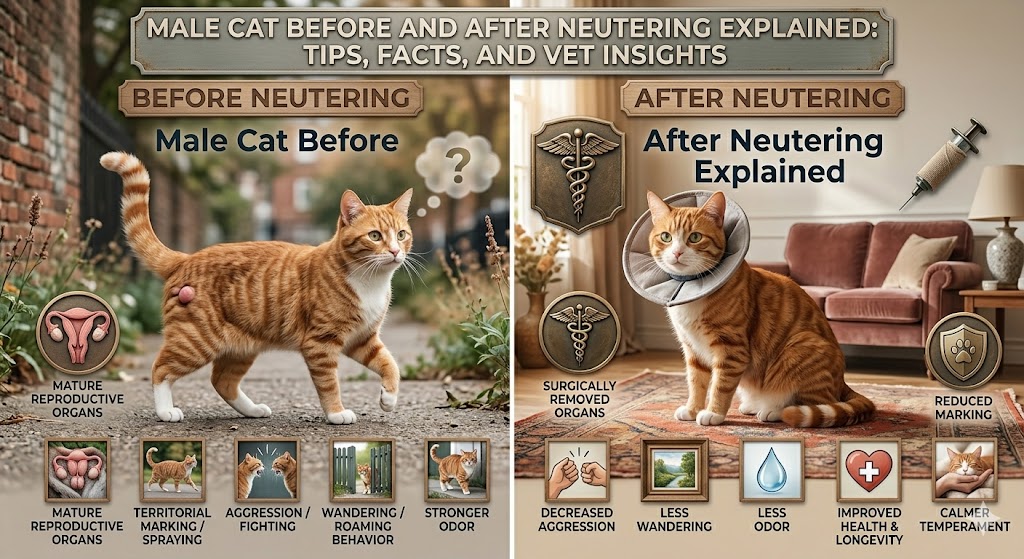
Intact male cats usually engage in behaviors that are related to hormones. Some cats start roaming and vocalizing, looking for females to mate with. At times, a cat will spray urine in order to communicate to other cats about his dominance over the area and to find females ready to mate. It is important to acknowledge that intact male cats sometimes become quite aggressive towards other male cats because they start competing for mating privileges. The above behaviors could be problematic.
Territorial Marking and Spraying
Perhaps one of the behaviors that cause the most problems for pet owners of intact male cats is spraying urine. While spraying is very different from normal urinating and involves using urine to send messages, it becomes especially problematic due to the bad smell. Urine that smells strongly creates numerous problems for the owner. The process of hormonal development explains why spraying occurs more frequently with sexually mature cats.
Tendency to Roam in Male Cats
It is common for male cats to cover long distances while seeking mates. Roaming can place them at risk of encountering dangerous situations such as cars, animals, diseases, and territorial disputes. In addition, it could lead to getting lost or sustaining injuries. Some cats even go missing for a couple of days when exploring extensive territories. Given that mating urges affect movement, there tends to be a considerable decrease in roaming after castration. Preventing any unnecessary roaming promotes safety.
Aggressive and Dominant Actions
Testosterone plays an important role in the level of aggression exhibited by some intact male cats. The need to fight other males over territory and females is common. Furthermore, dominance could become a problem when cats share a home with other pets. These conflicts may end in injuries and distress. Other aspects such as personality also determine aggression; however, testosterone often exacerbates aggressive tendencies.
Health Dangers of Male Cats Prior to Being Neutered
Unfixed cats have specific health dangers connected with sexual hormones and breeding. Increased chances to roam and fight raise the risk of contracting infectious diseases like feline immunodeficiency virus or feline leukemia virus. Moreover, bite infections are more common in unfixed males. Finally, territorial conflicts can cause stress in male cats. Although healthy male cats lead regular lives, knowing about health risks enables owners to understand the advantages of preventative care, including neutering and visits to the vet.
Male Cat Before and After Neutering Explained: Behavior Differences
In the case of explaining the changes in a male cat before and after neutering, behavioral differences are usually observed first. Calmness and decreased territoriality become noticeable as cats adapt to a new hormonal state. In addition, hormone-related behaviors tend to disappear over time when testosterone levels go down. Escaping from the house and vocalization become less common in neutered males. Nevertheless, personality stays the same.
The Time It Takes for Behavior Change to Develop
Behavioral changes don’t start right after the surgery is done since testosterone will be present in a cat’s body for about a month or more, which makes hormonal behaviors temporary. There may also be some time until old habits disappear. In fact, some pets will change very quickly, whereas other animals will need a few months to develop new behavioral characteristics. Patience is vital here, and owners shouldn’t rush the process but stick to their routine.
Physical Appearance Alterations after Sterilization
There aren’t going to be any significant changes in the physical appearance of a pet. They will still retain the same look, but the animal might appear less muscular. The fact is that after neutering, there will be a certain decrease in metabolism rates as a result of hormone reduction. Consequently, there is a possibility of weight gain if proper management is not provided.
Neutering Does Not Lead to Excessive Weight
It is a myth that neutering will cause weight gain in all cases. It is true that neutered cats might have slower metabolism, but excessive weight will depend on nutrition and activity levels. Neutered cats become less active, so it is even more important to feed them properly. There is no need for cats to be overweight, because it increases risks of several diseases such as diabetes, arthritis, or heart disease. Proper dieting plays more significant roles than neutering in the case in question.
Impact on the Emotional State of a Cat
The majority of felines recover emotionally after neutering quickly. Moreover, lower stress levels will make cats less nervous and anxious. People think that castration will affect the personalities of their cats; however, there is nothing to worry about. Affectionate cats will stay playful and friendly. They will bond with their families and enjoy the games they like before the surgery. Comfort is necessary in the first days after the procedure.
Understanding Male Cat Behavior After Being Neutered
Pet owners looking to gain insight into male cat behavior after neutering realize that any changes will happen gradually instead of instantly. In addition, there are certain things like the animal’s age, personality, and background that affect the extent to which there is a change in behavior. While some pets seem calmer as compared to their past behavior, others show very slight behavioral changes. Information regarding cat behavior after neutering enables the owner to set realistic expectations.
Determining the Ideal Age for Neutering Surgery
The timing of the process is critical when considering how beneficial it will be for the pet. As mentioned earlier, neutering is ideal at a time when the animal does not yet exhibit negative behavior because that makes the process easy. Another benefit is that it lessens the risk of urine marking and roaming. Nonetheless, the timing recommended may differ depending on various circumstances like the animal’s breed, health, and so forth.
Finding the Optimal Time for Neutering
A number of cat owners investigate the best time for neuter male cat prior to making the appointment for surgery. This knowledge makes it possible to choose the proper stage for surgery. Furthermore, contacting a vet in advance will provide answers to various questions about the recovery stage, anesthesia, and the outcomes of the operation. Timely neutering may positively affect the results and avoid some health issues. Acquiring information in advance will help owners make well-considered choices and prepare for the procedure and recovery stage.
Recovery Stage and Post-Surgery Care
In most cases, recovery after neutering is quite simple. Cats get discharged on the day of the operation and become active rather quickly. It is crucial for owners to keep an eye on any signs of swelling, redness, and pus-like liquid at the location of the operation. Moreover, restricting any rough physical activity for several days after the procedure facilitates quick healing.
Common Mistakes to Avoid During Recovery
First of all, owners might inadvertently sabotage their pets’ recovery by permitting excessive exercise at the early stages of healing. Another common mistake is ignoring follow-up recommendations or not keeping track of wound healing. Finally, feeding cats too much while they are recovering might be one more reason for unexpected weight gain. Cats are very quick healers, although supervision is still required. Creating a quiet place and avoiding strenuous activities facilitates successful healing.
Male Cat Before and After Neutering Explained: Long-Term Benefits
One of the important facts related to the topic of male cat before and after neutering explained refers to long-term benefits that neutered animals get from the procedure. Cats usually demonstrate less reproductive behavior after neutering, besides, there are also fewer chances that they will get into a fight resulting in some kind of injury. Moreover, spraying becomes less frequent, which contributes to the peaceful coexistence of animals in the household.
Neutering Myths
There are some common misconceptions that persist despite much research in the field of veterinary medicine. The first one is the myth that neutering leads to laziness and depression. Another misconception is that neutering changes the character of a cat. Besides, some people think that indoor cats do not need to undergo the procedure. It is essential to clarify that neutering does not change character traits but only minimizes hormonal behavior. The cats’ health will still be affected positively, even being inside.
Tips for a Happy Cat After Neutering
Taking proper care of a cat after neutering means more than just paying attention to the healing process. It also involves feeding the cat correctly, enriching its life, and taking care of it professionally. Toys, platforms, and playtime are effective in stimulating a cat physically and mentally. Having a consistent schedule is another aspect that helps a cat be happy. Living healthily guarantees positive results of neutering emotionally.
Conclusion
Knowing the behavior of the male cat prior to and post-neutering is important in enabling cat owners to make an informed choice about their pet’s wellbeing. Prior to neutering, it is common for most male cats to exhibit behavior that is influenced by hormones, such as wandering, spraying, and even aggression. On top of that, neutering can help reduce the behaviors and promote good health for the cat. Though there will be changes that need to be made temporarily, the positives may last the rest of the cat’s life.
