Blog
How To Train Cat To Use Litter Box?

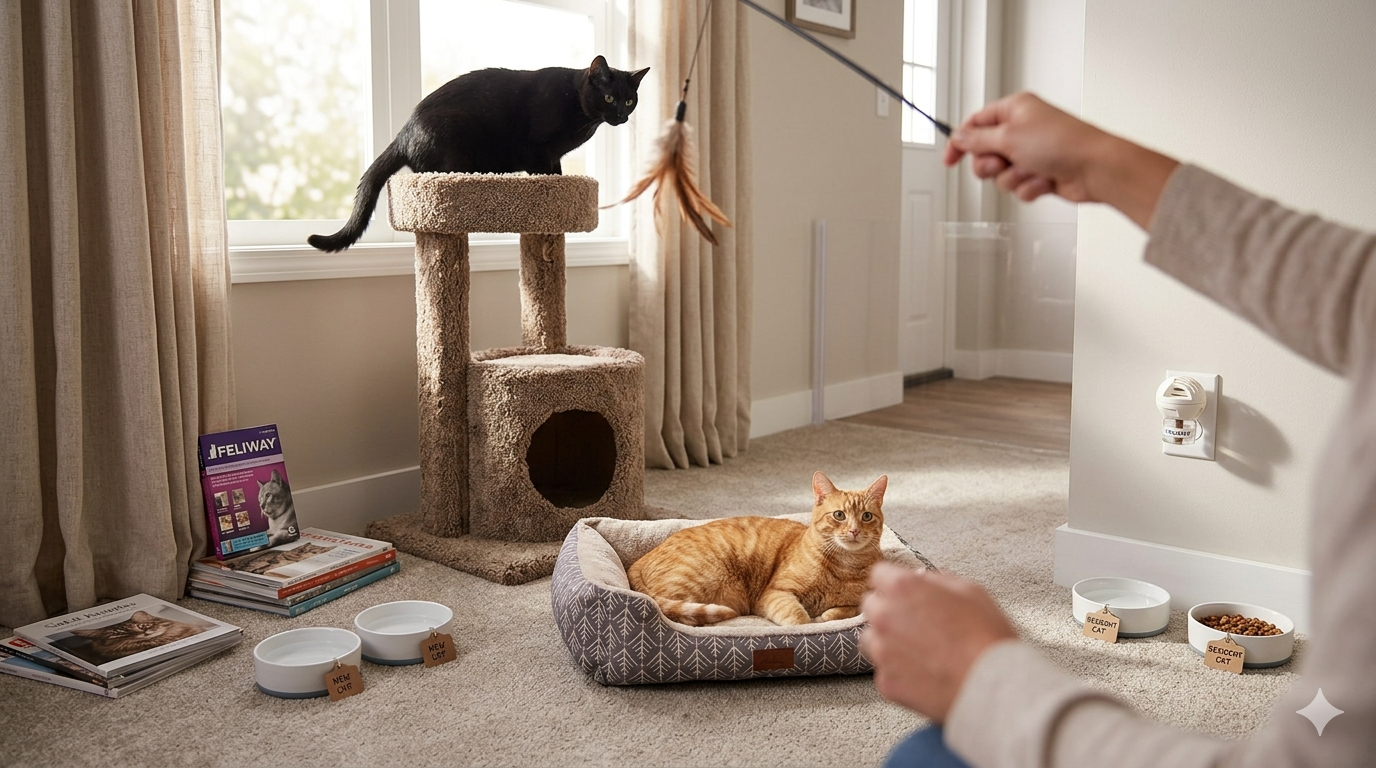
The most important secret of training your cat is learning his instincts. Cats are clean creatures and outside the house, they bury their own waste to keep predators away and also to keep hygiene. This instinct is in your favour when you are attempting to train them. But you have to mentor them and give them the appropriate environment to make them form this habit comfortably.
The reason why Litter Training is important
Litter training does not merely mean making your house clean. It makes your cat feel safe too and alleviates stress. With a well-trained cat, there is less chance of developing a behavior problem, which can include urinating in unusual locations. It also makes the relationship between you and your pet stronger as the conditions at home would be more relaxed and predictable. Without proper litter training or when the training is neglected, your cat will be confused. This may cause accidents, frustration and even long time habits which are difficult to rectify in the future. That is why it is important to start right at the very beginning.
The Right Litter Box
The correct choice of litter box is the initial step to success. This is what the majority of novice cat owners do not consider seriously. A box that is too small, too high or that is in an incorrect position may not make your cat use it.
Big and Small
The litter box should also be large so as to allow free movement of your cat. Your cat must be capable of turning, digging and covering waste without being confined. In the case of kittens, it is better to get a low-side box in order to be able to get in and out of it easily. In most cases, a box of normal size suffices but in the case of adult cats, a bigger box is always appreciated.
Covered vs Open Litter Boxes
Covered litter boxes are preferred by some individuals since they are useful in controlling odor. This can be of benefit to the human being, but not all cats enjoy being locked up. An open litter box may be used in case your cat seems to be shy, and how they respond to this.
The Best Litter
The kind of litter you use is also very important in training. Cats are choosy in the sense of touch and smell. Majority of cats like fine soft litter, which feels like sand. Powerful scented litters can be a nuisance to them although they may smell pleasant to you. Litter clumping is usually advised as it becomes easier to clean and the box remains clean. Nevertheless, with a very small kitten you might not wish to litter clump initially because some kittens are known to chew up litter. Consistency is important. After getting accustomed to a particular kind of litter, do not switch around frequently. Any abrupt alteration may disorient your cat and cause mishaps.
The Right Place to Put the Litter Box
It is not as long as some individuals think it is. Cats such as being alone and in isolated locations where they feel safe. Your cat may not get into the box in case it is in a busy or noisy area.
Do Not Use Busy and Food Areas
Select a quiet place in your house, not close to food and water bowls. Cats do not enjoy going to bathroom and dine together. Also, make sure that it is conveniently placed at any given time. Your cat may not get to the box in time in case he/she has to climb up and down the stairs or close doors.
Multi-Location Arrangement of Larger Homes
You can install over one litter box in case you have a big house or even more than one floor. This minimizes any accidents and it would offer your cat more choices.
Introduction Your Cat to the Litter Box
When everything is prepared, then you can introduce your cat to the litter box. When you own a kitten, you should place your kitten in the box after meals, after waking up or after playing. These are those times when they may need it the most. Allow your cat to take its own time to the box. They should not be coerced nor intimidated because this may produce negative association. To make them scratch the litter you can take their paw gently and scratch the litter, but be careful not to make them stressed. In case your cat has used the box successfully, then leave him or her to do so. Do not disturb or hover about too much because cats prefer privacy.
Encouraging Good Behavior
Praise is far much better than punishment. You can congratulate your cat with a small reward or some kind of mild praise whenever they use the litter box properly. This will assist them in linking the behavior to something good. One should remain relaxed and tolerant in the course of training. There are those cats who learn quickly and there are those ones who learn somewhat slowly. The cats all have personalities and you should go with their style. Do not punish your cat accidentally. Yelling or reprimanding can cause them to be terrified and aggravate the situation. Rather, work on teaching them the right way of behaving.
The Right Way to handle Accidents
Accidents are quite natural in the learning process and particularly at the inception stage. In case they occur, wash the place properly to eliminate the smell. In case the odor persists, your cat will revert to the same location. Preferably use an enzyme-based cleaner which will dissolve the odor. Use no harsh chemical cleaners that your cat may find unpleasant to smell. When you find your cat in a mischievous situation, pick him/her softly and put him in the litter box. This assists them in knowing where to go. But when you discover the mess afterwards, just clean it up, without taking it personally.
Having a Clean Litter Box
Sanitation is very crucial in regard to litter training. Cats are extremely sensitive to unsanitary conditions and they might not accept a dirty box. Take out litter box daily to clean. This makes it new and friendly to your cat. Replace litter entirely at least once a week, depending on frequency of use. Wash litter box with light soap and water as well. Use of cleaning products that have a strong smell should be avoided because this might make your cat avoid the box.
The comparison is between Kitten and Adult Cats training
Kittens are more likely to be trained easily as they are still in the habit of learning. With the right guidance, most kittens learn litter training within a short period of time. The most significant aspects in this stage are consistency and routine. It may take longer in adult cats, particularly, those that have not previously used a litter box. They might already have developed habits and one must be patient. Begin by confining them in a smaller space with easy access to the litter box and increase their space gradually as they become accustomed to it. Outdoor cats or rescue cats might require more time to get acclimated. In this scenario, it is better to use litter that looks like soil at first which can be easily reconciled with their natural habitat and then gradually with ordinary litter.
Typical Issues and Resolutions
In some cases, cats can revert to the litter box, despite training. This may be annoying, but there is a reason. A dirty litter box is one of the frequent problems. Unless the box is cleaned, your cat might seek out an alternative location. Another reason could be stress or changes in the environment, such as moving to a new home or introducing a new pet. Litter box problems can also be caused by medical problems. In the event that your cat all of a sudden stops using the box, it would be a good idea to visit a veterinarian to exclude any health issues. In case you have more than one cat, you should make sure that you have sufficient litter boxes. One box to every cat, and an extra one. This avoids competition and each cat can access when in need.
Building a Routine
Cats are creatures of routine, and litter training can be easier with a regular routine. Always feed your cat on the same time of the day and note their behavior. With time you will see that they have certain patterns regarding when to use the litter box. By mentoring them at such a time, you can better reinforce the habit. Routine brings a feeling of safety to your cat and makes them feel more at home.
Final Thoughts
One of the most crucial things that will make your home happy and clean is to train your cat to use a litter box. This might sound difficult initially but most of the times it is an easy process as long as you know the instincts of your cat and give him the right conditions. Slowness, steadfastness, and a soft touch will serve long. Also keep in mind that your cat is learning and your encouragement is a major contributor to their success. Providing them with a safe and comfortable environment, you are not only instilling a habit in them but also establishing trust and a closer connection. Over time and by showing care, your cat will eventually get used to using a litter box, and thus life becomes easier to both of you.