Blog
Cat Rapid Breathing After Playing

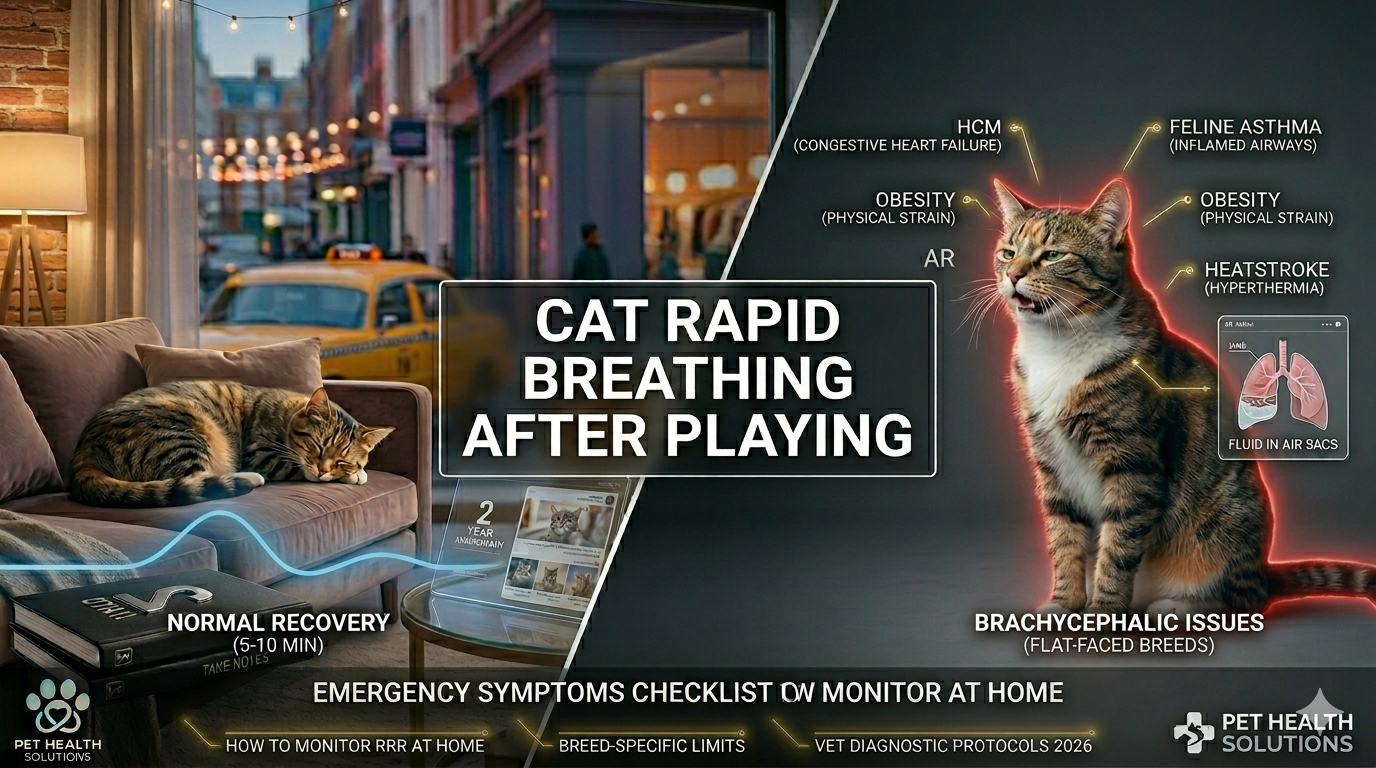
Increased respiration due to vigorous playing is one of the physiological effects that can cause a concern to a cat owner because the animal seems to be out of breath. While the cat plays, its respiratory rate increases as well as the work of heart and lungs to distribute more oxygen to the tissues. When the cat gets relaxed after playing, the increased respiration will return to normal.
Normal Post-Play Breathing
The respiration must remain constant and uniform; however, it can deepen following exercise owing to greater movements in the chest area. Your cat needs to settle down and regain her regular breathing pattern within a few minutes. Healthy recovery entails a comfortable stance along with easy breathing. In case your cat rests comfortably without any signs of distress, the rapid breathing rate might be attributed to routine exercises. The rate of recovery gives you an idea about your cat’s health status.
How to Measure Your Cat’s Breathing Rate
Whether your cat is breathing at a healthy pace can be determined through a respiratory rate test. As your cat sleeps, use a timer to record each inhalation and exhalation within one minute. A healthy respiratory rate would be around 20-30 respirations per minute. However, the respiration rate will be increased after playtime, but the rate should come back down when your cat calms down.
The Importance of Exercise to Your Cat
Playing is necessary for your cat’s physical and mental well-being. Playing helps develop muscle strength, maintains heart health, and sharpens natural hunting skills. Increased body activity increases oxygen requirement and hence increased breath rate, which is an indicator of good health. Make sure that your cat plays daily for its overall physical fitness and avoids boredom.
Where Rapid Breathing is of normal character
Rapid breathing following exercise in cats is considered typical as long as it is temporary and does not occur with anxiety. Your feline pet must be able to settle down, relax in a comfortable position, and revert back to normal respiration within a few minutes. Be on the lookout for signs such as mouth breathing, rapid breathing, or pain.
Influence of Heat and Environment
If the temperature increases, the chances of increased respiration in your pet after playing are more, since he or she tries to cool his or her body. If you have seen that due to some activities in your pet’s body heat has been generated, then he or she will use increased respiration to control body temperature. In case of hot and humid weather, it takes much more time for your pet to recover.
Indications of an Issue
Be on the lookout for any signs indicating that your cat is experiencing respiration that exceeds typical exhaustion from exertion. Should you observe symptoms like open-mouthed respiration, difficulty breathing, or inability to rest, then you should be concerned. Additionally, watch out for coughing, wheezing, or producing noises while breathing, as well as excessive exhaustion following minimal physical exertion. All of these symptoms may be indicative of underlying medical conditions that require treatment. Generally, a healthy cat should return to its usual state rapidly after engaging in physical activities.
Pre-existing Health conditions to be considered
At times, rapid breathing following play could be an indication of underlying illnesses that manifest only when engaged in physical activities. Respiratory conditions, heart-related ailments, or even slight inflammations might affect your cat’s capacity to recuperate from the exercise. While your feline pet may be alright when resting, it could have difficulty when engaging in physical activities. Such conditions will decrease the rate of oxygen use and lead to rapid breathing. If you notice persistent difficulty after playing, it is advisable to take the pet to a vet.
Effects of Fitness and Weight
The body condition of your pet will influence the period it takes for breathing to stabilize once you’re done playing. Obesity leads to more stress to the respiratory organs, hence causing faster breathing. Similarly, poor body fitness will limit the efficiency of the body when engaging in any form of activity. Playing is fun to your pet, but the body might not cope. Physical exercises and a healthy nutritional balance will ensure that your pet maintains body fitness and breathing ability.
Holding Safe Play Sessions
You need to make sure that the play time of your feline companion is regulated to ensure the health and safety of your pet. Make sure that your cat gets plenty of rest between play sessions to prevent exhaustion. Get toys that promote normal movements and activities for your cat. Be observant of your feline friend when playing and stop the playtime once you notice signs of exhaustion.
Hydration and Recovery Support
Hydration will help your cat recover after playing because it will assist with blood circulation and body temperature regulation. Always give your cat plenty of fresh and clean drinking water. When your cat becomes dehydrated, it might become difficult for it to breathe, thus slowing down its recovery. Help your cat rehydrate after playing to keep everything balanced and ensure consistent oxygen supply.
Follow-Up of Postactivity Behavior
Following every play session, observe the reaction of your cat in order to know the rate of its recovery. See how fast it gets back to its normal state of calmness and breathing patterns. If it takes a couple of minutes to do so, then your cat is definitely healthy. However, if there is a delayed reaction in breathing or other unusual behavior, be more observant.
When to Call a Veterinarian
Seek the advice of a vet if your feline companion experiences rapid breathing following play and other symptoms start developing. Some of the symptoms that you should be on the lookout for include fatigue, a loss of appetite, and general lethargy, which might suggest an underlying condition. Get in touch with a vet if your cat is reluctant to engage in play or exhibits any unusual behavior, such as lethargy.
Providing a Cozy Recovery Room
Give your cat a quiet place to relax following playtime. Make sure there is a cool area with some bedding for your cat to rest in without any noise distractions to facilitate recovery and minimize stress. Recovery is made easier by giving your cat a quiet area to relax because it allows your cat to breathe normally again. Do not engage in playtime with your cat right after playing.
Long-term Health Preventive Care
Preventive health care will ensure that your cat has good respiratory as well as general health. Routine visits to the veterinary will allow early detection of health problems, particularly ones that would limit the ability to play and recover afterwards. Vaccination will protect from respiratory infections. Keeping your pet away from any irritants will prevent any damage to his respiratory system. You need to provide your pet with some form of moderate exercise.
Concluding the Breathing Rapidly After Play
However, rapid breathing after playing is a common phenomenon and it does not necessarily imply that something bad is happening. As long as your cat feels fine after that and does not experience any discomfort, there is nothing to worry about. Pay close attention to your pet’s breathing pattern, hydrate properly, and create a soothing environment for your pet. This will enable you to ensure your cat’s overall well-being.