Blog
Is Alocasia Toxic to Cats: Facts, Myths, and Safety Tips explained

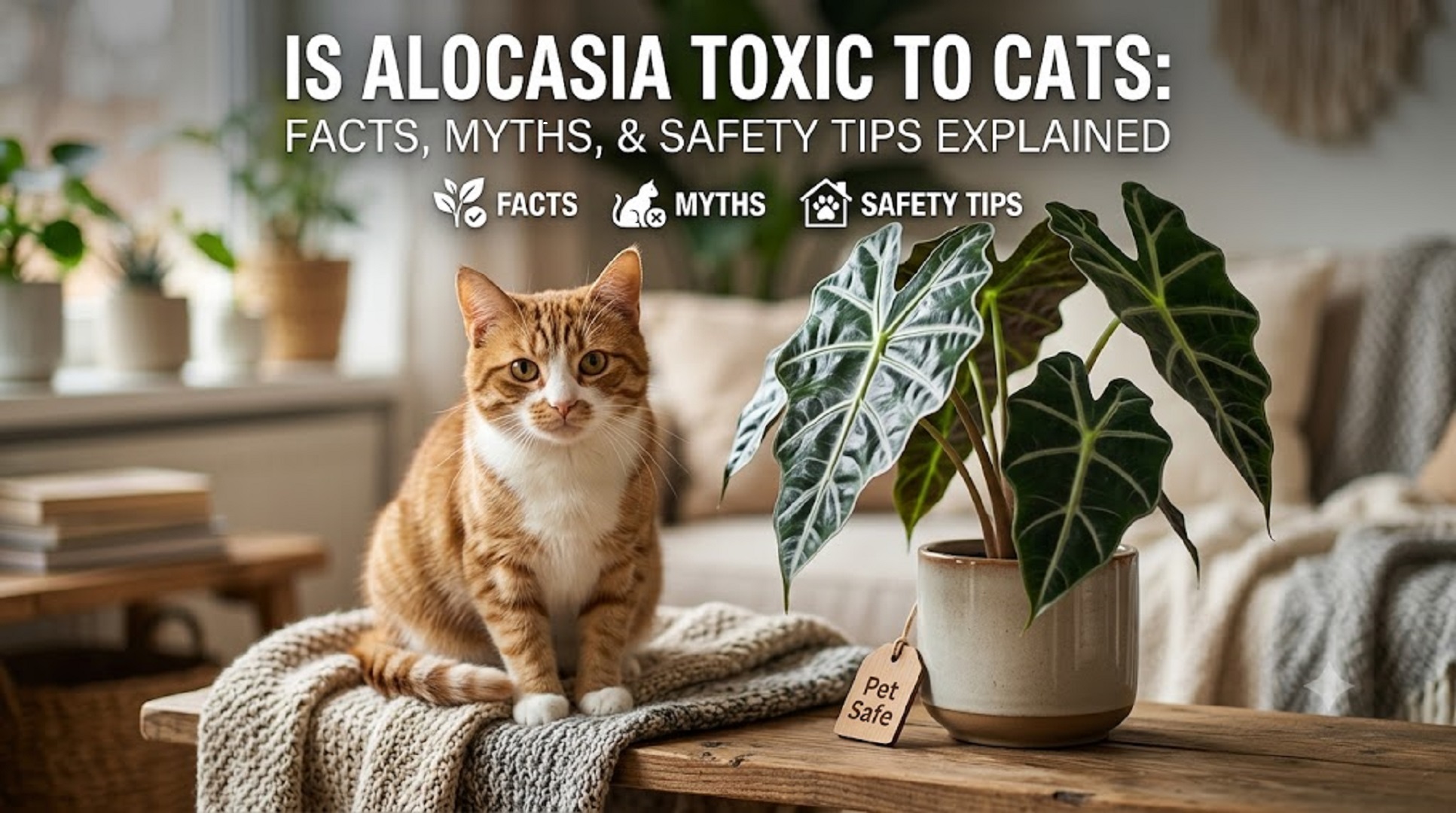
While houseplants offer beauty and freshness to a home, there is concern by some cat owners about the safety of some plants. Alocasia is a common plant species that is often a concern because of its unique appearance and striking foliage, which are popular tropical plants. Cats are known for their curiosity and their habit of chewing on indoor plants, which makes you wonder about what happens if alocasia is in your home.When cats are curious, and they like to chew on plants inside the house, you may ask yourself is alocasia toxic to cats? With this information, you can ensure your cat’s safety while still enjoying a beautiful indoor garden.
Understanding Alocasia Plants
Alocasia plants are part of a family of tropical plants sometimes referred to as elephant ear plants for their large dramatic foliage. They are popular with indoor gardeners because they are relatively easy to grow, and they look exotic. But there are potential risks to pets with their beauty. In addition, numerous cat owners do not realize that some ornamental plants can irritate or make their cat sick. Thus, it is essential to learn about Alocasia to be a responsible pet owner.
Are Alocasia Poisonous to Cats? The Simple Answer
The brief answer to this is yes. Many homes have both cats and indoor plants, which is why this is often a question: Is alocasia toxic to cats? Alocasia is poisonous if chewed or swallowed because it has insoluble calcium oxalate crystals. These miniscule crystals enter soft tissues in the mouth and digestive tract causing discomfort and inflammation. Therefore, cats should not eat Alocasia, and it’s best to keep it out of their reach whenever possible.
Alocasia can be toxic to cats
The threat is due to the calcium oxalate crystals present in the entire plant which have a needle-like shape. The crystals are released in the cat’s mouth when it eats the leaves or stems. This means that the crystals irritate and cause a lot of discomfort. Alocasia, unlike other toxins which act directly on internal organs, produces local symptoms in the mouth, throat and digestive system. However, these reactions may be serious enough to need medical treatment by a veterinarian, especially in susceptible animals.
The mechanism of action of Calcium Oxalate crystals
Calcium oxalate crystals are like little sharp needles. These, when they touch tissues, break into cells and cause inflammation. This means that cats that are effected will often suffer from pain and discomfort immediately. In addition, the irritation may spread into the tongue, throat and gastrointestinal tract. This mechanism is important to understand as it contributes to the quick onset of symptoms after exposure and why there can be severe reactions to very small quantities of plant material.
Symptoms of Alocasia Poisoning:
Timely diagnosis of symptoms can have a huge impact on your cat’s recovery. Symptoms range from excessive salivation to pawing at the mouth, swollen lips, trouble swallowing and vocalizing from discomfort. In addition, some cats may reject food or water due to it being painful to eat. The signs and symptoms appear shortly after exposure. So, if your cat shows unusual behavior around plants, you should investigate immediately to make sure they have chewed on one of the plants that could be toxic.
Can Cats Eat Alocasia?
Many owners are not aware that a bite of this size is still problematic. Extremely small doses will not cause serious poisoning, but the answer to is alocasia toxic to cats is still yes. Itchiness and pain can result from even light bites. In addition, the sensitivity of each cat is different. Some may have mild symptoms, others might have severe swelling and discomfort. Therefore, it is important to treat all exposure seriously and closely watch for signs of deteriorating condition.
Early Warning Signs Every Owner Should Know
Cats tend to show signs which may be mild before symptoms are signs. If excessive lip licking, head shaking and aversion to food occurs it could be a sign of oral irritation. Also, cats can become withdrawn, or act abnormally active. The early clues are important because early intervention can minimise complications. By looking at changes in behavior, owners can detect issues early on before they grow out of hand. So, it’s important to keep an eye on your cat after you think it’s been exposed.
Excessive Drooling and Oral Discomfort
The Excessive drooling is one of the common symptoms. The crystals tend to cause irritation to the mouth, causing cats to salivate profusely. Plant toxicity is a possible answer to the question, why is my cat slobbering, for some owners who look for help on the internet. Thus, when drooling suddenly appears, particularly near houseplants, any exposure to the plants should be assessed and veterinary advice should be sought when symptoms persist.
Digestive symptoms following exposure
The main concern is oral irritation, but digestive symptoms can also be experienced. A few cats experience vomiting, salivation, or inappetence when chewing on Alocasia. Moreover, gastrointestinal irritation may lead to discomfort and lassitude. As vomiting persists, owners are left asking themselves questions about cat won’t stop vomiting, and in some cases, this is caused by a toxic plant. Continuing digestive issues are always a sign of a serious problem, and should be checked by a veterinarian.
If your cat eats Alocasia what should you do?
If suspected ingestion, immediate action is important. First, if you can safely remove any remaining plant material from your cat’s mouth. Then flush the mouth with clean water to alleviate mouth irritation. Just don’t coerce your cat to drink. Also, if you have any questions, talk to your veterinarian. The more details that can be provided about the plant and symptoms that have been observed, the better it will be for professionals to decide on the best course of action for treatment and monitoring.
When is it time to call the vet?
It is recommended that a cat’s consumption of Alocasia be followed by veterinary consultation. Some people’s case may be mild while others may deteriorate rapidly. If the swelling is severe, breathing is difficult, the child has problems eating or is vomiting for a long time, get emergency help. Additionally, competent assessment will help in ensuring that the right treatment is received and the likelihood of complications is minimised. When in doubt, consult an expert – it’s always better to be safe than sorry.
Veterinary Treatment Options
The goal of treatment is to improve symptoms and avoid complications. Vet may look at the mouth, check hydration and may give pain and inflammation meds. Supportive therapy may also involve fluid and/or treatment for breathing problems. With early treatment, most cats will recover well. But the delay in treatment may lead to excessive pain and slow down recovery. So, prompt veterinary care after exposure is the best way to go.
The hope for affected cats is for complete recovery
Luckily, the majority of cats make full recovery if they receive early treatment. Symptoms usually get better within 24 to 48 hours, but may need to be watched for a longer time in more severe cases. Also, recovery relies on the extent of use, general health condition and promptness of intervention. Owners are advised to carefully adhere to all veterinary advice and to keep an eye on their cat after they get home. After care is an integral part of healing and helps prevent reoccurrence of problems.
Cats and Alocasia: Myths!)
There are a number of myths that continue to hang out there among pet owners. There is one thing that is commonly believed that the large quantity of Alocasia is harmful. There’s a myth that some varieties of Alocasia are entirely harmless. In fact, the crystals of calcium oxalate are present in most species. Also, some people think that cats naturally avoid toxic plants. Sadly, cats will explore and chew plants even if they could be dangerous. Knowing the facts allows owners to make better decisions for their pets.
Myth: Indoor Cats Are Never at Risk
Some owners think that their indoor cats cannot get in contact with plants that are dangerous because they do not venture outside the house. But there are many decorative plants around indoors. Leaves can be chewed out of curiosity, boredom or playfulness. Thus, it is important that indoor cats can still be poisoned by plants. When making a pet safe home, it is important to consider ALL house plants, not just outdoor ones. Awareness and selection of the right plants are the first steps in prevention.
Myth: Cats Always Know Which Plants Are Safe
Cats have amazing instincts but not all products are toxic to them. Some cats chew plants as a form of entertainment, to provide texture or for digestive purposes. Thus, instincts alone are not a safe way to survive. Owners are responsible for knowing about plants that may be hazardous and for restricting access. This is important to know and can help keep you and your cats safer and away from unnecessary exposure.
Safe Alternatives to alocasia
Thankfully, there are also lots of other plants that can be used instead that won’t harm your pet. Safety plants such as spider plants, some palms, prayer plants and the like offer beautiful greenery with little risk. Also, checking the safety of the plants before buying them can avoid any future worries. Choosing non-toxic options means that owners can enjoy the benefits of indoor gardening without compromising the health of their cats. Safe plant selections are among the easiest and most effective preventative measures possible.
How to Make a Garden Safe for Cats:
Garden planning is essential for a cat-safe garden. Keep out-of-reach of children or remove any plants that may be harmful. In addition, give them other enrichment like cat grass and interactive toys. Domesticated cats that have suitable places to explore will be less inclined to chew houseplants. When considering environmental management and enrichment, a balance can be achieved that is beneficial to both plants and pets and lessens the risk of accidental exposure.
Prevent plant-chewing with these tips
Sometimes plant chewing can be prevented by solving a root cause. The behavior is often provoked by boredom, curiosity and lack of stimulation. So more play time, climbing toys and toy rotation are helpful. Furthermore, safe chewing alternatives can be used to help divert attention from houseplants. Good environment enrichment decreases undesirable behaviors and increases well-being. Long-term results can be most successful when management practices are consistent.
Taking Care of Kittens to Avoid Plant Poisoning
Kittens are at increased risk due to their curiosity in exploring their surroundings by chewing and playing. For this reason, it is best not to have toxic plants within their reach. Also, the feline may be more curious to eat more out of a sense of curiosity as a young cat. Minimizing exposure risks can be achieved by closely monitoring the kittens and keeping them in a safe environment. Preventing health emergencies early on can help build healthy habits and keep vulnerable young pets safe.
Long-Term Plant Safety Tips
Safety of plants should be integrated in the pet’s care. Periodically inspect plants in the home, find out about new plants, and inform family members of any dangers. Also, have current veterinary contact details to call in case of emergency. It is easier to prevent a toxic exposure than to control it afterwards. By keeping the plants aware, owners can confidently enjoy them while reducing the risk to their feline friends.
Conclusion
So, will cats be poisoned by alocasia? So, it’s definitely yes. Alocasia plants have calcium oxalate crystals which can lead to sever oral irritation, drooling, digestive upset and discomfort. Thankfully, the majority of cats can make a complete recovery if the exposure is caught early and treatment is administered correctly. Cat owners can make their homes safer by being aware of the risks, learning to identify symptoms, and opting for safer plant choices. The best way to keep cats safe from plant hazards is to prevent them, be aware of them, and act quickly.
