Blog
Cat Tooth Surgery: Everything You Should Know in 2026

Receiving news that your cat will undergo dental surgery is likely to cause some stress for you, particularly if you are unsure about the procedure itself and its need. Indeed, dental health is important since neglecting it may result in a lot of discomfort, infections, and other serious health conditions. However, today there are numerous dental surgical procedures that are very effective. Therefore, learning about the reasons for conducting them, procedures, expected outcomes, cost, and ways of prevention can be helpful for owners.
Why Dental Health Is Important for Cats
The health condition of teeth matters not only because of the mouth but also due to its connection with various other functions. First of all, good teeth help a cat eat, brush its coat, and perform other actions properly. At the same time, the bacteria present in the oral cavity have chances to reach different internal organs like heart and kidneys. In general, dental health impacts the overall health significantly.
Common Dental Problems in Cats
There are many dental diseases that cats can develop over their lifetime. Oral infections, gingivitis, fractured teeth, tooth resorption and periodontal disease are some of the most common problems. Other cats also suffer from inflammatory diseases of the gums and tissues. These problems are often asymptomatic so many owners are unaware until symptoms are severe. Regular dental examinations allow issues to be discovered before they become more in-depth and require more extensive dental treatment.
Cat Tooth Surgery; What is it?
Tooth surgery for cats involves different types of dental care procedures that are performed on cats to treat oral disease, injury, or structural changes. These procedures can include tooth extraction, repair of fractured teeth, managing oral infections, and managing oral lesions. Also, veterinarians use general anesthesia when performing these surgeries for safety and comfort. Therefore, dental surgery can help in the alleviation of pain as well as improve overall oral health.
Signs your cat may need dental surgery
Many times, cats will show no signs of discomfort when they are having dental disease. There are, however, some warning signs that can show that there are oral issues. These are often observed symptoms, which include bad breath, difficulty eating, drooling, pawing at the mouth, weight loss, and decreased grooming. Also, cats get cranky and less social when they are in chronic pain. If these symptoms are noticed at an early stage, owners may be able to get their pets veterinary help before the issues become too severe.
Cat Tooth Surgery and Dental Advanced Disease
Advanced dental disease is one of the most common causes of cat tooth surgery. Over time periodontal disease can destroy the gums, supporting tissues and the bone that hold teeth in place. As the disease advances, the teeth may loosen, become infected or become very painful. Further, untreated infections can become systemic. Because of this, sometimes surgery is needed for the elimination of pain and an improvement in oral health and to avoid further complications.
Understanding Periodontal Disease
Plaque builds up around the gum line and this is the onset of periodontal disease. Bacteria eventually cause inflammation of soft tissue and supporting bone structures. Plus, as the tartar keeps building up, the disease progresses faster. These stages may not present any noticeable signs, which is why many people do not know they have it until it is too late. Routine dental cleanings and exams, therefore, are an essential part of prevention and early intervention.
Tooth Resorption in cats refers to the process of the tooth dissolving
Tooth resorption is a frequently occurring dental disease in cats. In this disease, tooth structure is slowly destroyed, leading to considerable pain and discomfort. Also, the affected teeth can look fine on the surface, but have serious damage going on inside. As a result, dental X-rays are frequently required in order to make a diagnosis. Extraction and surgery is often the best treatment option.
Torn Tooth Enamel, Fractured and Broken Teeth
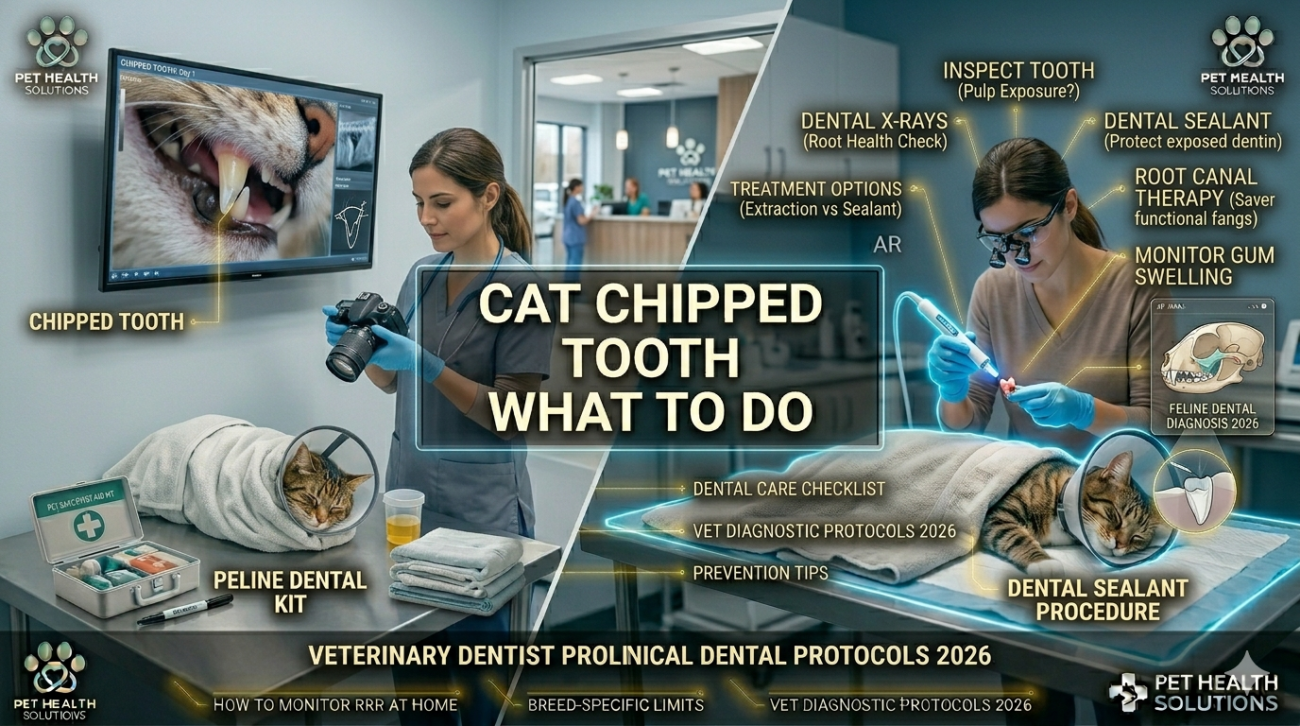
Teeth can break out of position in cats because of trauma, chewing hard surfaces or accidents. A broken tooth will expose the soft tissues inside the tooth, which can cause pain and infection. In addition, untreated fractures can get worse over time. Therefore, it is critical to have veterinary evaluation when dental injuries happen. Treatment will vary from extraction, repair or other surgery depending on the severity of the case, to preserve oral health and comfort.
Oral infections and Abscesses
Infections can occur in teeth with damage or disease if bacteria infect them. They can invade adjacent tissues and form painful abscesses. In addition, severe infections are frequently accompanied by swelling, loss of appetite and discomfort in the face. However, early treatment is still crucial. Surgical treatment often times can remove the source of infection and prevent further complications that may impact general health and wellbeing.
Preparing for Cat Tooth Surgery
With proper preparation, cat tooth surgery is a successful experience. Generally, veterinarians perform a physical examination, blood tests, and diagnostic studies prior to the procedure. Owners are also given fast guidelines and pre-op directions. These measures are undertaken to help recognize any potential risks and to make the most safe anesthesia experience possible. Therefore, adequate preparation is an important factor in getting a good surgical result and in making surrender as easy as possible.
The value of dental X-rays
By using dental X-rays, important information is obtained that is not visible just by looking at the teeth with the unaided eye. Often times, root damage, loss of bone, presence of hidden infections and tooth resorption are not detectable without imaging. Also, X-rays are useful for helping veterinarians to create a treatment plan that is as accurate as possible for each patient. Thus, dental radiography has become an essential part of modern veterinary dentistry and surgery.
Understanding General Anesthesia
Many pet owners are apprehensive about anesthesia. But, today’s veterinary anaesthetic techniques focus on patient safety with modern anaesthetic monitoring and patient specific care. Furthermore, preop exams can help detect health issues that could impact anesthetic choices. During the operation, heart rate, oxygen level, blood pressure and various other measurements are watched. So, with adequate patient evaluation, anesthetic risks are relatively low.
The procedure: The process starts once the anesthetic has been administered
Before dental treatment, vets will undertake a comprehensive oral examination and dental X-rays. Plus, teeth could be cleaned to be rid of tartar and plaque. Additional surgery such as extraction or repair might be necessary, depending on the findings. Thus, every surgery is tailored to the dental condition and treatment needs of each cat
Cat Tooth Surgery Recovery and Healing
If owners follow their veterinarian’s orders as directed after cat tooth surgery, the recovery process will usually go smoothly. Cats will go home the same day and start to heal right away most of the time. Also, vets may recommend pain medication and dietary changes for recovery. Surgical site monitoring combined with appetite and behaviour monitoring can help to identify surgical site complications early. This means that proper care at home can greatly enhance comfort and healing results.
After surgery, managing pain
Adequate pain control is a key part of recovery. Veterinarians usually prescribe drugs designed for cats to alleviate discomfort and inflammation. Also, adequate pain relief will facilitate eating, grooming and normal behavior. Owners should give medications as directed and never use human pain medication. Thus, if it is important to maximize comfort during the healing process, following a veterinarian’s instructions carefully is one way to do this.
An after-dental surgical feeding guide
There are certain dietary changes that many cats will need after surgery. Soft foods will ease the strain on injured tissues and will be easier to eat. Also, you may want to offer smaller meals, which can stimulate appetite during the early recovery period. Special feeding guidelines are sometimes given by the veterinarian depending on the surgery performed. Therefore, nutrition will aid recovery and keep cats healthy as they heal.
Understanding Cat Teeth Removal
When owners do some research into dental matters, they’ll see information about cat teeth removal. Extractions are among the most regular types of dental surgical procedures for cats and are often utilized to provide substantial pain alleviation. Knowing what to expect from the process of extraction, what to expect to recover, and what to expect in the long run puts the owner at ease when talking to his veterinarian about treatment options.
Common Recovery Concerns
There are some post-surgical symptoms which are normal and temporary. In the first few days, there is slight swelling, temporary appetite changes, increased sleep and some discomfort. In addition, cats might act differently during the recovery process. However, if the bleeding is very heavy, vomit is a thing that persists or the individual refuses to eat, this should be reported promptly. It is, therefore, essential to keep a close watch on the healing process.
The advantages of dental surgery are long-lasting and can last a lifetime
Dental surgery can often offer dramatic results in improving the quality of life. A patient is more comfortable when the painful teeth are removed and the infections are treated, as well as when oral health is restored to a normal level. Also, many owners observe that their dogs improve their eating, their grooming and socializing. As such, successful dental intervention can show the extent to which oral pain had impacted the individual’s daily life prior to treatment.
Many people believe that bad breath is solely due to tooth decay
One of the most common symptoms of dental disease, especially one that persists, is cat odor. If you have any of the following oral problems, your bad breath will be more intense or get worse: By recognizing the link between dental issues and bad breath, veterinarians can perform earlier assessments, and likely reduce future treatment requirements.
To Avoid Future Dental Issues
Preventive care is always the best measure to avoid future problems with the teeth. Regular check-ups, professional cleanings, dental diets, and dental care at home all help to achieve better results. In addition, many diseases do not become severe if early intervention takes place before they do. Thus, a regular dental care regimen can promote oral wellness and decrease the chances of further surgery later on.
There are several myths regarding dental surgery
There are a number of misunderstandings about dental procedures for cats. Some owners think that surgery is not indicated unless there are clear signs, and others think that older cats will not survive treatment. In addition, many don’t realize just how debilitating chronic dental pain can be. Education can therefore help to break myths and prompts informed decision making according to veterinary recommendations instead of misconceptions.
The economic significance and financial considerations
The fees for dental surgery can differ based on a variety of factors including procedure complexity, anesthesia needs, diagnostic testing, location of the dental practice. Further, if there are to be several extractions or more involved treatments, there will be additional costs. Renting costs may appear high in the beginning, but if the problem is treated in time, it does not lead to further problems or expenses. As a result, many pet owners see going to the dentist as a worthwhile investment in their pet’s health.
The timing of a veterinary dental exam is determined according to the situation
Dental check-ups can detect issues before they get worse. Typically, it is recommended that annual evaluation be done, but some cats may need more frequent monitoring. Also, cats with the symptoms of drooling, bad breath, and eating problems need to be assessed promptly. As a result, regular dental checkups help detect issues earlier, treatment is easier, and long-term results are better.
Conclusion
Cat tooth surgery is a crucial veterinary procedure that can assist in resolving dental issues, tooth injuries, infections, and other oral health problems. While the thought of surgery might seem frightening, there are many ways in which veterinary dentistry can improve the comfort and quality of life for your pet without the need for the surgery. Knowing these facts about dental surgery in cats can help owners make informed decisions about their pet’s care, ensuring it is always maintained for a longer period of time and the cat remains happy and healthy.