Blog
How to Domesticate a Feral Cat: Complete Beginner’s Guide

Having a feral cat in one’s house may prove both interesting and difficult to deal with at first. This is because while stray cats used to living around people before will likely show friendliness, feral cats will not have had any positive experience with human beings. Therefore, they are naturally inclined to fear humans and shun their company. Learning how to socialize a feral cat involves a lot of patience and proper expectations about such an animal.

What Is a Feral Cat?
The term “feral” refers to a cat that has had limited interaction with people and lives independent from them. Such cats usually try to keep away from humans as much as possible because they consider them a threat to themselves.
Feral Cats vs Stray Cats
There is confusion when it comes to differentiating between feral cats and stray cats. While a stray cat was once used to humans before being abandoned or becoming lost, a feral cat will need some time in order for it to learn that humans can be trusted. Feral cats need more time since they are scared of humans and other domestic pets like dogs.
Understanding the Psychology behind How to Tame a Feral Cat
Before taming a feral cat, one needs to understand the psychology of this cat. It is important to know that fear is the major motivator in feral cats’ behaviors. Hissing, hiding, fleeing and aggressive actions are usually motivated by anxiety and not aggression. As such, the main idea is not to make the cat interact with humans immediately but learn to trust them.
Evaluating If the Feral Cat Can Be Socialized
It is important to realize that not all feral cats will behave the same way during the process of domestication. While kittens find it easier to bond with their human handlers, adult ferals may take months or even years of patience to be able to trust the handler.
Home Preparation
It is important to set up a safe and secluded place before introducing a feral cat into your home. Ideally, an extra bedroom or even a bathroom is suitable as a temporary accommodation. Having more space allows you to monitor the animal easily. Offer food, drinking water, bedding, litter box, and safe spaces for the animal.
Safe Zone for Your Cat
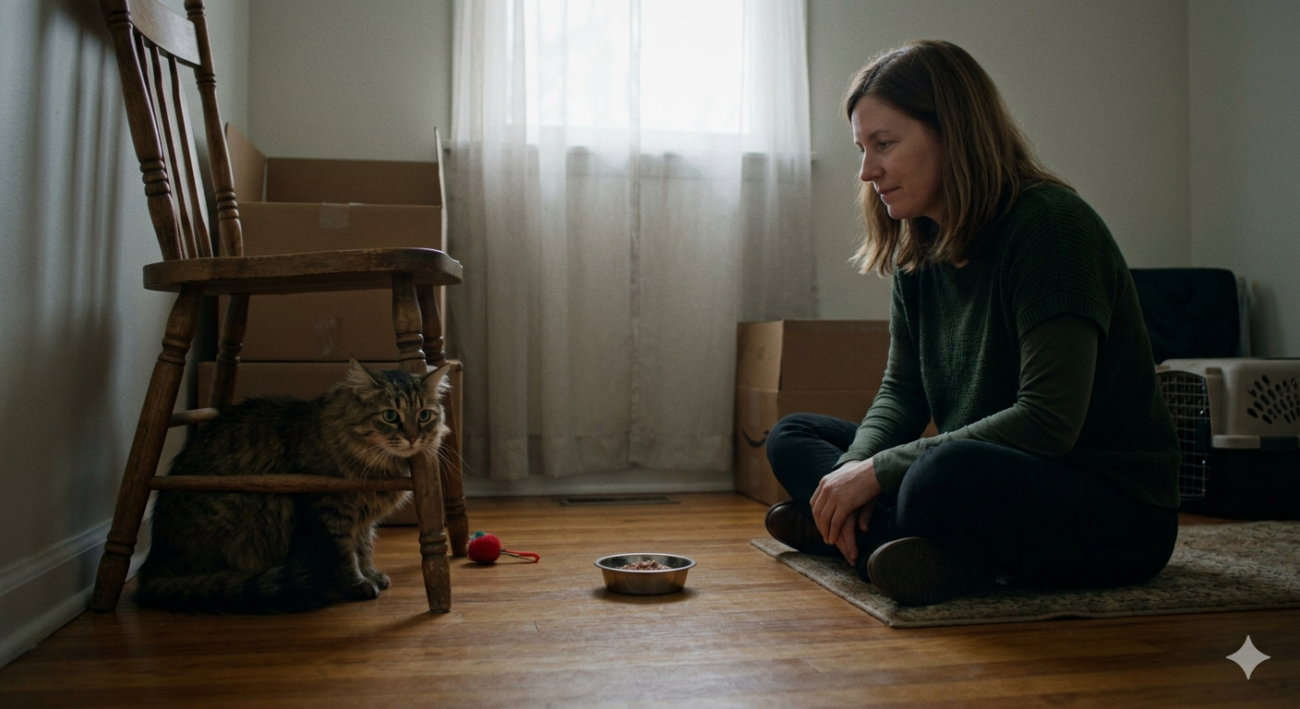
Feral cats feel better when they can escape to hide if scared. It helps them feel safe by observing their surroundings without being noticed. Cardboard boxes, covered beds, and cat caves work great as safe zones for the animal. Try not to make the animal leave its hideout; wait until he explores it by himself.
First Days at Home
During the initial days after bringing a feral cat into your home, it will be challenging for both cat and owner. It is quite common that during these days the cat does not eat any food offered, hides all the time, and avoids eye contact. Focus on creating routines rather than on getting acquainted quickly.
Using Food to Gain the Cat’s Trust
The use of food can be quite effective during socialization. By providing meals on a schedule, trust will be built up. Place food near where the cat hides at first, and then slowly move closer. Many feral cats start to associate humans with pleasant experiences due to the use of food regularly.
Patience as a Key Component
Patience plays an important role in socializing the animal. Progress is seldom straightforward. Sometimes, a cat may seem to be friendly, while other times it seems afraid again. This is a natural occurrence. Letting the cat set its own pace will lead to a better foundation of trust and security.
Body Language Interpretation
Recognizing a feline’s body language prevents any confusion. Ears that are laid back and slow blinks are indicative of increasing comfort. Dilated pupils, flattened ears, growling and crouching, on the other hand, show fear or discomfort. Avoiding a negative experience through proper body language interpretation is essential.
Using Your Voice Properly
Like other animals, cats are capable of learning to distinguish their caregivers’ voices over time. It is important to be soft and calm when speaking to the cat during feeding, cleaning and other interactions. Sudden loud sounds should be avoided as well as shouting.
Domesticating a Feral Cat With Routines
One of the most efficient approaches to learning how to domesticated a feral cat is to create routines for the cat. Cats love stability and predictability. When you feed them at certain times, clean their environment regularly and create a predictable pattern of activities, your feline will not have to live in constant fear.
Play to Boost Confidence
It is always useful to provide an opportunity to a cat to entertain themselves using various interactive toys. There are a lot of toys available that can provide you and your cat entertainment while avoiding any sort of physical interaction which may frighten the cat.
Facilitating Physical Contact
Physical touch is best when initiated by the cat itself. Touching a frightened kitty too soon might hurt its ability to trust. Let them approach you naturally out of curiosity. Once they come close, reward them with treats and positive actions to create positive associations.
Training Feral Cats for Litter Box Use
Feral cats adjust easily to litter boxes because they have an instinctual urge to cover their feces. Nevertheless, some instances of cat pooping outside the litter box may arise. For those who wonder why a cat would poop outside the litter box, they should know that this may happen due to stress, fear, medical issues, or changes in environment.
Importance of Visiting the Vet
Each feral cat that is rescued should be taken to the vet for health checkups. This will help in determining whether any parasite infection or disease exists. In addition, they can get vaccinated, spayed or neutered, among other preventive health measures.
Management of Aggressive Behavior
Aggressiveness of feral cats usually stems from fear, not dominance. Swats, hisses, and growls usually signal that the animal is scared. Never punish a cat; otherwise, you increase her level of anxiety and spoil the relationship with her. Instead, reduce the animal’s stress levels and give her some control over situations.
Training Adults
Adulthood feral cats also require much patience on your part. Although training adult cats is not an easy task, they learn to adjust indoors with your patience. Consistency, routine, and positive reinforcement play key roles in the process. Even if your cat will not be very cuddly, she can live indoors safely.
Progress of Socialization
Socialization progress is often a gradual process. The animal may start eating in front of you, explore her surroundings more actively, or stay visible. All these changes are steps on the road to domestication and deserve attention. Acknowledging even minor achievements is crucial for staying motivated.
Common Mistakes Beginners Make
One promising indicator of relaxation is making biscuits cat behavior. The kneading action usually implies comfort, safety, and happiness. Not all cats display such actions, but many sociable animals start to knead blankets, beds, or even laps when feeling safe, comfortable, and relaxed at home.
Introducing Other Pets
The process of introducing other pets should proceed gradually and cautiously because rushing the meeting creates tension and fights for territory between them. It is best to exchange scents first and let them see each other only later.
Common Mistakes for Newbies
New rescuers usually think that results will be immediate and get upset when there is no quick effect. Many people also tend to force interaction between animals, move too fast in training, and do not offer enough hiding spots.
Will Every Feral Cat Be Tame?
Not necessarily because some wild cats can never fully feel comfortable around humans despite all socializing efforts. They usually become less afraid of people but still avoid close physical contacts.
Long-Term Advantages of Domesticating a Feral Cat
Socialized feral cats have a tendency to live long and healthy lives. In a household setting, they are safe from predators, illnesses, extreme temperatures, and accidents related to transportation. Besides that, medical attention and balanced diet contribute to longevity. Thus, all the time put into domestication can become a lifelong gain for both pets and their owners.
Closing Words
To learn how to domesticate a feral cat, one needs patience and care. Trust is gained step-by-step via positive interactions and consistency. The process takes weeks or even months but eventually leads to success. As mentioned above, safety, knowledge about cat behavior, and celebration of victories can help feral cats thrive in their new environment.