Blog
Why Would a Cat Poop Outside the Litter Box? Causes, Symptoms

hy Would a Cat Poop Outside the Litter Box
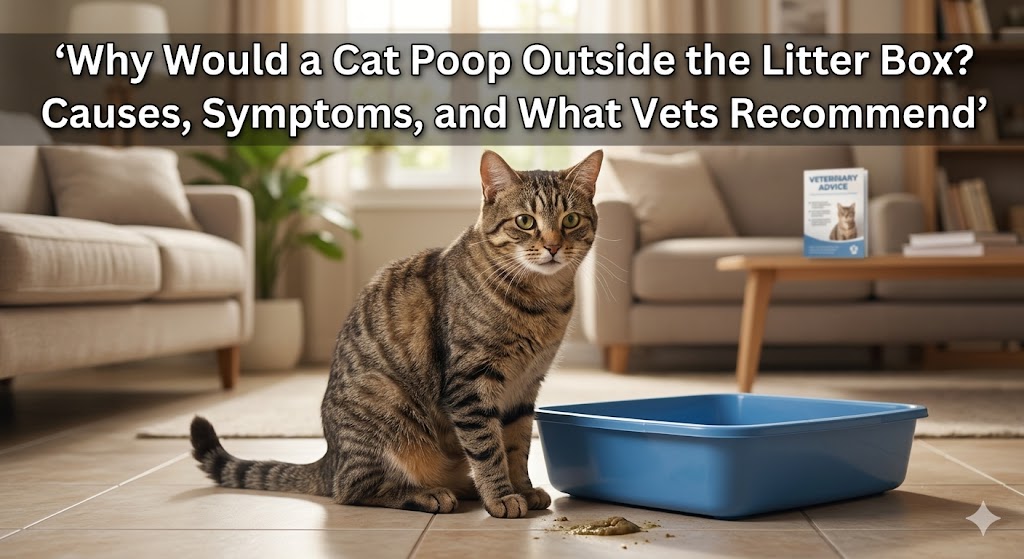
Cat owners find it quite frustrating when their pets start pooping outside the litter box. In such situations, the pet may be showing signs of a problem that needs to be addressed. It may even leave the owner wondering “why would a cat poop outside the litter box”. Cats are very predictable in terms of bathroom habits since they like things neat. Hence, any changes in the cat’s health status or litter box condition may trigger unwanted behavior. It is important for owners to recognize such behaviors in order to handle them successfully.
Normal Litter Box Behavior
The cat’s tendency to develop normal litter box behavior stems from its natural inclination towards using tidy places. Healthy cats tend to use their litter boxes regularly without requiring any prompting on the owner’s part. Furthermore, cats like to keep certain predictability and privacy while using the litter box. In case a cat starts pooping outside, there are chances that some factor or another is affecting it adversely. Such knowledge will make it easier for the owner to identify abnormal behavior.
Reasons Why Cats Refrain From Using Litter Box
Refraining from using a litter box is mostly a symptom rather than the source of the problem. Generally, a cat is unlikely to urinate inappropriately without any reason. Moreover, discomfort, environmental factors, or dissatisfaction with litter box characteristics may also affect the cat’s behavior. In case your cat associates the litter box with pain caused by previous experiences, then you have found one of the main reasons. Besides, some cats simply cannot stand the changes regarding litter box contents or location.
Why Might a Cat Defecate Outside of the Litter Box because of Health Problems?
Among many possible explanations of why cats poop outside of the litter box, medical issues are the most important ones. Diseases that affect digestion, such as constipation or inflammatory bowel syndrome, may contribute to cats’ unwillingness to visit the box. Furthermore, the presence of arthritis may make it harder for older cats to climb the box due to associated pain. Sometimes, illnesses are characterized by urgency, which makes cats unable to reach the box on time.
Digestive Issues and Bathroom Accidents
Many digestive issues can lead to litter box avoidance. Some common examples include diarrhea, constipation, food sensitivities, and stomach irritation. In addition, digestive disorders can make cats feel that going to the litter box is an uncomfortable process. In such a case, a cat may choose different spots around the house to eliminate. Stool changes and bathroom schedule are good indicators of possible digestive problems. Never ignore persistent symptoms of stomach trouble since such issues might seriously impact one’s health.
Constipation and Difficulty Moving Bowel Movements
Constipation makes your feline friend feel uncomfortable, which might significantly affect his or her bathroom behavior. Felines having difficulties moving bowels may be reluctant to visit the litter box as it is associated with pain. There are several factors that can trigger the formation of constipation in cats. These include dehydration, unhealthy diet, lack of exercise, and various diseases. In most cases, cats suffering from constipation strain and pass dry feces.
Anxiety and Stress Factors
One of the least considered causes of house soiling among felines is that of stress. Even small changes in environment may have an adverse effect on cats’ emotional stability. Moreover, relocation, introducing other animals, visitors, or changes in routine may influence a cat’s psychological well-being. In particular, some felines are likely to react to stress with out-of-box defecation. The creation of predictable environments and hiding spaces is vital in minimizing such problems. Emotional well-being is a critical factor in maintaining proper box behaviors.
Environmental Changes Causing Issues
As a rule, cats prefer to follow established patterns in life. Changes in surroundings may disrupt cats’ emotional state and lead to unusual behavior. Moreover, any remodeling, rearranging furniture, changes in family composition, or relocation of the litter box is likely to confuse the animal. Some cats choose to ignore the familiar toilet spot after undergoing certain changes. Analyzing the behavior of cats under altered circumstances will help understand the root cause of the problem.
Cleanliness of the Litter Box Is Vital
One of the easiest causes of bathroom problems is having an unclean litter box. Felines, in general, like clean surroundings and avoid using litter boxes that have too much poop. Also, odor is another factor that discourages cats from using the litter box despite it being acceptable by human standards. Cleaning the litter box regularly can make a huge difference since it will be easier to manage. Taking care of the hygiene of the litter box shows consideration for a cat’s preference. This will eliminate bathroom messes around the house.
Litter Preference
Each feline has his own preference regarding the litter used. While some felines like unscented litters, there are those who hate some types due to texture and material used. Sometimes, switching to a different type suddenly results in the feline not liking the litter because of confusion. Cats tend to show their feelings towards something by avoiding it entirely instead of communicating clearly. Thus, trying out different litters will help identify the favorite.
Why Would My Cat Eliminate Outside the Litter Box Due to Environmental Changes?
Environmental changes often have unforeseen effects on the behavior of cats. Asking why would my cat poop outside the litter box, the pet owner should consider any recent occurrences within the house. Moreover, bringing home another animal, changing the daily routine, hosting guests, or introducing new smells might result in anxiety. Cats need a constant environment for feeling safe. Even positive environmental modifications might bring temporary stress. Determining possible triggers helps find answers about the change in behavior. Making the environment comfortable again could be beneficial.
Challenges of Keeping Several Cats Together
The sharing of resources might cause conflicts between the animals because some of them dominate in the territory of other cats. Dominant felines can control access to litter boxes, and the submissive ones cannot use them. They may prefer defecating elsewhere to avoid conflict situations. The provision of sufficient litter boxes for all the animals solves the problem. Experts advise that the number of litter boxes equals to the number of cats plus one.
Mobility Issues in Senior Cats
Senior cats face common mobility problems, impacting their ability to utilize the litter box effectively. Painful joints and arthritis lead to stiffening and discomfort, making it hard for senior cats to climb into boxes. Moreover, it is common for senior cats to have problems reaching the litter box due to its location relative to the cat’s preferred resting place. Creating an accessible environment by using low-entry litter boxes can make a huge difference. Closely monitoring aging cats for any behavioral changes is essential since such problems typically occur gradually.
Learning About Feline Behavior Changes
Unusual behavior patterns in cats are often connected with other peculiar feline habits. It is common for cat owners interested in why does my cat put his paws in water bowl to learn that cats communicate feelings of fear, excitement, or preference in other unconventional ways. Moreover, behavioral changes may serve as indicators of a cat’s psychological state. Thus, watching several different behavior patterns instead of one specific symptom can help cat owners understand their cats better.
Indications of Conditions Requiring Vet Examination
There are some signs that must not be taken lightly because they require professional examination. These include diarrhea, presence of blood in stool, vomiting, weight loss, lack of activity, and signs of pain. Besides, any rapid change in the cat’s toilet habits without clear reasons for that must be investigated as a possible symptom of health problems. Proper vet examinations can help discover any existing health issues before they develop into something more complicated.
Ways to Find out the Cause of the Problem
To diagnose the reason of such problems with a cat’s toileting habits, the veterinarian must conduct a physical examination, study the pet’s medical history and make several tests where necessary. Stool analysis, blood test, and imaging can also be done as necessary. All these will help to detect infections or disorders of the digestive system and find appropriate ways to address them.
Veterinary Solutions
Treatment varies according to the root cause of the issue. Any physical ailment must be treated by a vet, whereas behavior problems could benefit from adjusting your cat’s environment. Another approach would include maintaining cleanliness in litter boxes, making them easy to access and eliminating any stressful triggers. Cats that struggle with behavioral problems may also be helped with special techniques and pheromones to soothe them. Consistency will play an important role during treatment.
How do I tame a feral cat?
For those dealing with a scared or socially unadapted cat, the situation becomes even trickier. Discovering how do i tame a feral cat could be quite beneficial for this task. Moreover, you should use a lot of patience to make your cat feel comfortable. It takes time and efforts to train a terrified animal as its experience with humans is not always pleasant.
Prevention of Elimination Problems in the Future
Continued prevention is always the best approach to avoid elimination troubles. Veterinary check-ups can detect the underlying problem before its symptoms get serious. Besides, keeping the litter boxes clean, maintaining routines, and keeping cats in calm surroundings contribute to proper behavior on the part of pets. Changes in eating or bathroom habits can show that something is wrong with cats. In case you pay close attention to the pet’s overall condition, there will be no trouble with behavior later on.
Creating a Friendly Atmosphere for Cats at Home
Making a friendly atmosphere can have a beneficial effect on cats’ health. Cats enjoy having a quiet place to relax. In addition, regularity can have positive effects. Making sure cats can get all the necessary things easily is crucial, too. Providing cats with enrichment activities can help avoid stress-related problems. The changes in cats’ attitude towards their living surroundings might be quite remarkable.
Conclusion
It is vital to know how to evaluate the causes of such behavior of felines in order to understand why does a cat poop out of the litter box. Although it may be frustrating, accidents tend to be good indicators, not acts of defiance. Furthermore, discovering the reason behind the problem will help to find an appropriate solution that will positively influence the cat’s well-being. Litter box hygiene, regular vet checkups, and stress relief techniques will ensure positive results in solving this problem.
