Blog
Rapid Breathing in Cats: A Cat Owner’s Complete Guide

Breathing disorders in cats can raise alarm bells among owners almost immediately, especially if there are no obvious causes. Cats are known for their calm breathing; therefore, sudden breathing difficulties may mean that something is wrong with your furry pet. Knowing about rapid breathing in cats will help you identify the possible risks for your cat, which means better care and faster action if necessary. In fact, taking the correct course of action will result in improved results and a quicker recovery.
Understanding Normal Cat Breathing
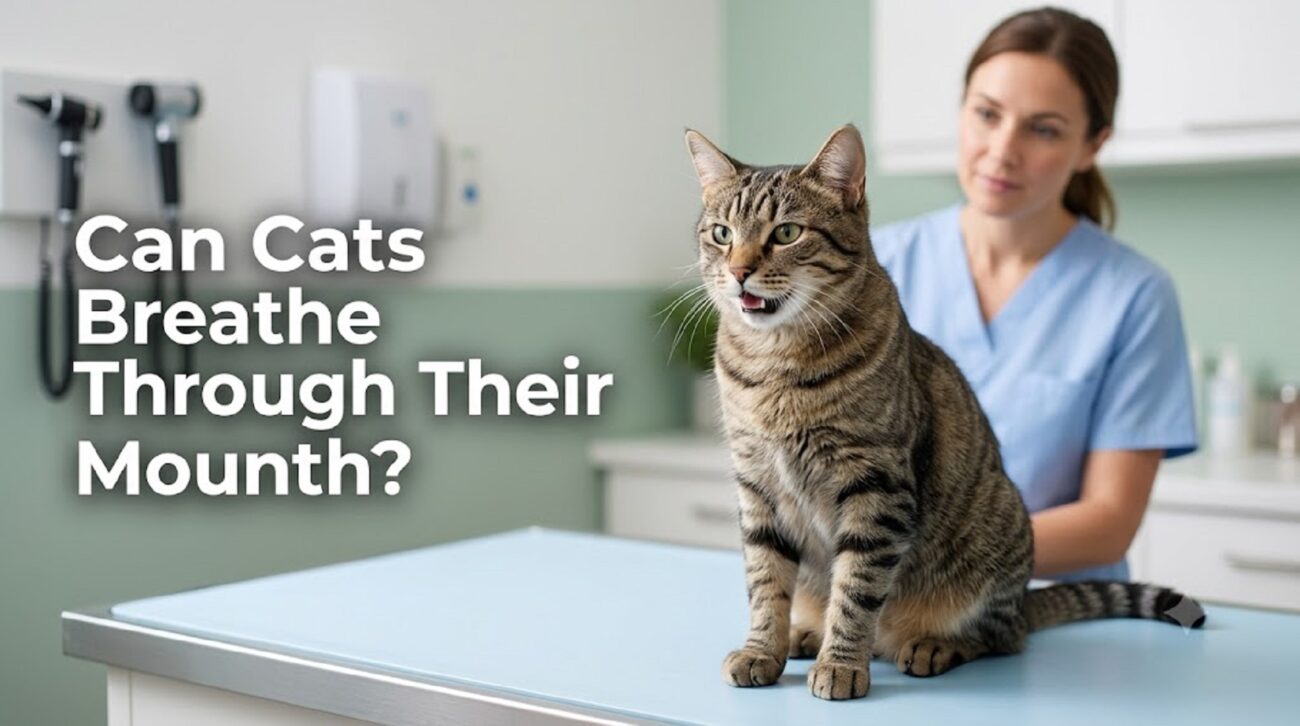
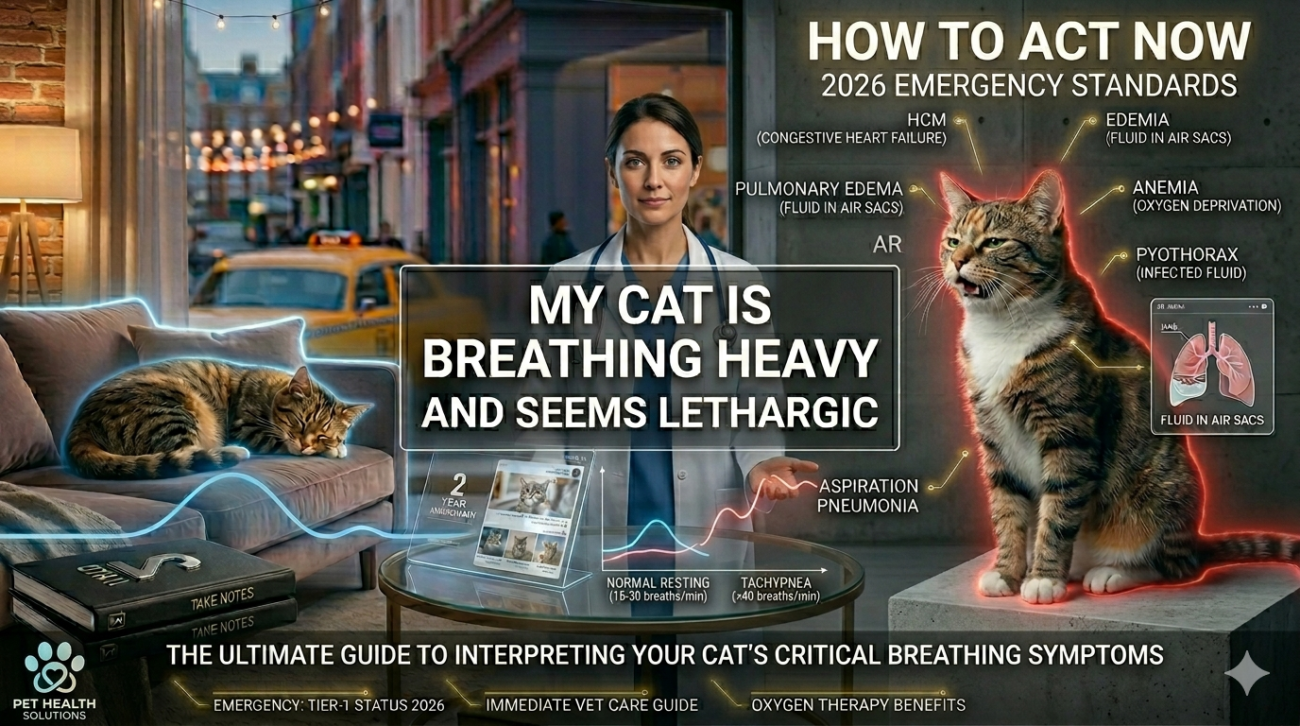
Normal breathing in cats involves nasal breathing at rest. Most adult cats take from twenty to thirty breaths each minute in calm conditions. Besides, breathing should look effortless and should not include wheezing, mouth breathing, or any signs of effort. Breathing should be monitored by observing the rise and fall of the chest while the cat is lying down comfortably. Rapid breathing may also occur temporarily after exercise or stressful experiences. Otherwise, if breathing remains fast for an extended period of time, there might be some problem.
Reasons for the Rapidity of Breathing in Felines
Various medical issues and environmental aspects can lead to an unexpected change in the feline respiration process. It is known that stress, heat, pain, infection, or cardiovascular problems usually lead to fast respiration rates in cats. Furthermore, breathing difficulties due to lungs diseases and airways’ inflammation can cause fast respiration because of the lack of sufficient air intake by the animal. Many owners identify the appearance of such problems when worrying about their cat breathing fast while sleeping or resting. Trauma and allergies can be among the unexpected reasons for respiratory issues.
The Influence of Stress on Breathing Process
Stress can affect the animal’s breathing and physical condition in different ways. Noise, new visitors, house moving, and conflicts with other animals can become stress-related factors leading to changes in the feline breathing process. Besides, stressful cats usually prefer being hidden in secluded places, tremble, and eat little or refuse eating. The increased level of stress hormones can be a reason for the occurrence of temporary fast breathing. To prevent stress, it is necessary to maintain an environment comfortable for the animal.
Respiratory Infections and Diseases
Upper respiratory tract infections often affect cats’ breathing patterns, most notably kittens and older pets. These infections can cause congestion, fever, sneezing, coughing, and breathing difficulty. Also, the owners may observe signs that include my cat is sneezing a lot prior to rapid breathing. The inflammation in airways forces the cat to strain during breathing, making them fatigued and weakened. Timely veterinarian’s intervention allows dealing with infections successfully without causing severe problems later on. Appetite and activity as well as breathing patterns allow detecting illnesses at their early stages.
Other Symptoms Accompanying Rapid Breathing in Cats
Fast breathing often goes hand in hand with other symptoms, indicating a more complex health issue in felines. Cats suffering from respiratory problems may exhibit signs like mouth breathing, wheezing, coughing, and abnormal chest movement while inhaling. In addition, the cats themselves may appear weak, restless, and reluctant to be active because of the efforts they put into breathing. Having bluish gums and tongue means that they lack oxygen severely, which calls for immediate veterinary care. Also, one should pay special attention to breathing while sleeping.
Abnormal Breathing Due to Heart Conditions
Another important reason why cats develop breathing issues includes the development of heart diseases. In such cases, the heart is unable to properly move the blood throughout the body, which leads to fluid buildup inside the lungs or thorax gradually. Moreover, decreased oxygen flow often results in weakness, exhaustion, and rapid breathing. Sometimes cats experience mild symptoms of heart diseases, which makes diagnosis possible only after consulting a veterinarian. Therefore, cat owners need to pay attention to rapid breathing since it can be an indicator of internal heart diseases development.
Abnormal Breathing Related to Overheating
Overheating and high temperature often lead to fast breathing development in felines. During such conditions, their bodies experience additional stress, forcing the cats to breathe more rapidly in order to cool down. Additionally, overheating often results in drooling, weakness, vomiting, and fainting due to severe heat stroke cases. Long-haired cats, overweight animals, and seniors tend to have a higher risk of overheating. Nevertheless, all felines require access to drinking water, protection from the sun, and ventilation in hot weather conditions.
Methods Used for Identifying Causes of Rapid Breathing in Cats
The use of several techniques ensures the accurate identification of causes of respiratory symptoms in pets. Physical examination helps assess the extent of difficulty breathing, lung sounds, heart conditions, and oxygen level in the body. Blood testing and diagnostic procedures like X-ray images will be useful in diagnosing any infections, fluid buildup, or abnormality in the organs responsible for breathing functions. The ability to identify the causes of rapid breathing in cats helps veterinarians provide the right kind of treatment suitable for the cat’s condition. Diagnosis is very crucial since respiratory symptoms vary greatly between several illnesses with entirely different methods of treatment.
Emergencies Owners Must Not Delay
Cats showing certain signs of breathing need urgent attention from a veterinarian. Symptoms include open-mouth breathing, collapse, difficulty breathing, bluish gums, and any sudden change in the normal breathing process due to some accidents or allergies. Cats that hide excessively when breathing difficulties arise might be in a critical state. Caregivers need to take cats suffering from any respiratory emergencies to veterinary facilities as soon as possible. They need to handle them cautiously when putting them in pet carriers.
Possible Treatments and Vet Services
The type of treatment is directly dependent on the cause of breathing difficulties experienced by felines. In cases of infections, antibiotics or antivirals are administered, and heart diseases require constant treatment controlled by veterinarians. Oxygen therapy is also used in emergency situations to assist cats who experience severe difficulties with breathing. There are some other options for treatment, which include drainage, anti-inflammation drugs, and antihistamines. Hospitalizing a cat may be advised by veterinarians in severe situations. Early treatment leads to better outcomes and lowers the risk of complications from untreated conditions or worsening of breathing difficulties.
Helping at Home and Support After Treatment
Helping a sick cat recover and support one with stress-induced breathing problems requires special attention to several aspects of care. Firstly, the cat needs to rest in a peaceful environment free of any disturbing sounds and hustle. Secondly, it’s vital to keep the animal well-hydrated and encouraged to eat to facilitate the process of healing. Sometimes using humidifiers may help alleviate some difficulties with breathing by loosening mucus in the air passages. Rest and absence of stressful physical activities will help sick cats recover better.
Preventing Fast Breathing in Cats Using Healthy Practices
Proper preventive measures significantly decrease the chances of any problems related to cat’s respiratory organs and issues with breathing. First of all, regular checkups by a vet allow catching any possible health problems before they become critical. Also, regular vaccinations reduce chances of getting any respiratory infection that can affect cat’s health in the future. Moreover, owners need to keep an environment clean with proper air supply and avoid smoke and strong smells. Healthy diet will help the lungs and heart work better in the future.
Observing Breathing Pattern at Home
It is very important for cat owners to learn how to monitor their pet’s breathing pattern to be able to catch any problems early. For this reason, owners need to count their cat’s breathings while it is calm to find out its respiratory condition. Additionally, owners can observe if breathing of their cats is smooth, noisy, shallow or labored while being calm and active. Recording these observations allows vets evaluate health condition during the visit. It is important to remember that cats usually hide their diseases, so observing them is crucial.
Conclusion
Fast breathing may be a symptom that indicates various illnesses that a cat may be suffering from, either short-term or more severe ones. Learning about possible reasons and ways of treatment will help the owner cope in case the issue arises suddenly. Besides, the timely recognition of life-threatening symptoms is crucial to help increase the effectiveness of treatment prescribed by veterinarians. Nonetheless, preventative measures are equally important in order to ensure proper respiratory health of a cat in the future.