Blog
Best Multi Cat Odor Control

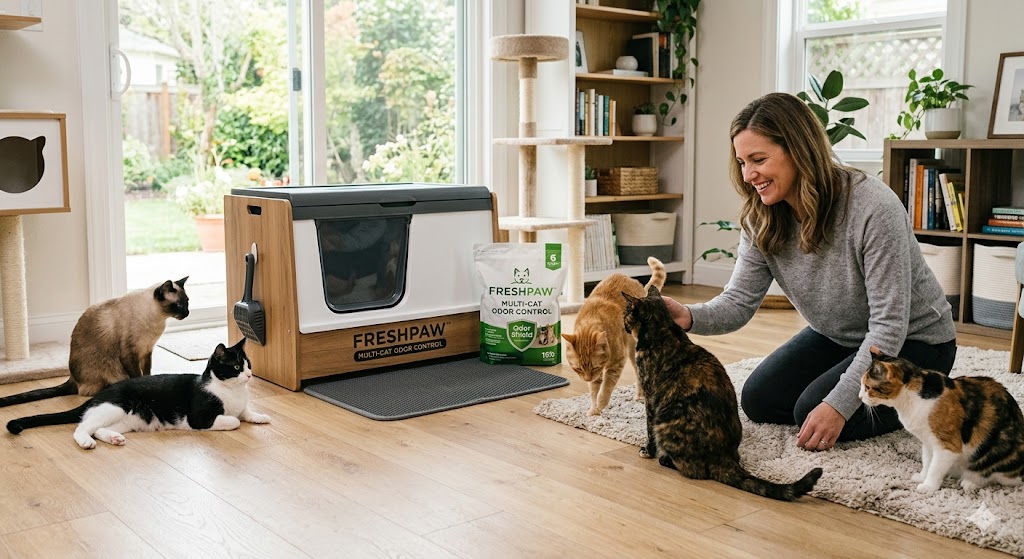
The joy of having multiple cats at home does not only consist of fun, company, and coziness; the presence of multiple cats means you have a significant amount of responsibility. Odor control is one of the major challenges of a multi-cat household. Since there are multiple felines indoors, there is a chance for odor buildup caused by a wide variety of factors. With regular work and appropriate techniques, you will manage to keep your home clean and smelling good. Here are the tips on controlling smells in the house.
Understanding Smells of Multiple Cats
When it comes to odor control in homes with multiple cats, the problem can become bigger since more cats occupy the same space, meaning there is a bigger chance for smells to appear. Each cat leaves odorous substances, and the lack of cleanliness causes those smells to become much stronger very quickly. Also, territorial behavior may cause some cats to spray, resulting in a stronger smell. Knowing what smells may be found indoors is the key to their control.
Adhere to the One Plus One Litter Box Rule
Among the most effective odor-control methods is the litter box rule. The rule states that there ought to be one litter box per cat plus another one for good measure. By having enough litter boxes, cats are able to access them without competing or being stressed. Cats will therefore avoid inappropriate urination in areas other than the litter box since they find comfort in using them. In addition, the presence of multiple litter boxes ensures that the waste can be evenly distributed, making cleaning easy and quick.
Find the Right Position for Litter Boxes
Proper positioning of litter boxes is very important when controlling odor problems. Litter boxes need to be placed in areas where air flow is high and where there is not too much traffic. It is recommended that you avoid positioning them in tight places or closed rooms since odors will be concentrated. Optimal positions include places around windows and in open passages within the home. Litter boxes should also not be near the feeding area.
Pick Quality Cat Litter
The kind of litter you pick will determine how much smell you will have in your home. The three types of litter available in the market include clumping clay litter, silica gel litter, and biodegradable litters. Litter quality is determined by its ability to absorb moisture fast while neutralizing any smells. Moreover, there are litter types that are scented or have neutralizing properties. In addition, it is crucial to ensure that you consider your cat’s preference when selecting the litter as it increases their willingness to use the litter box.
Develop an Organized Schedule of Scooping
It is critical to develop a strict schedule of scooping your litter box daily. In case of multiple cats, scoop the litter box one or two times a day. Regularly emptying the litter box will not only minimize smell but will encourage cats to keep using it since they will not be tempted to find other places to urinate or defecate.
Deep Clean Your Litter Boxes on a Weekly Basis
While regular scooping is critical, deep cleaning guarantees that the smells will be kept away for an extended period. On a weekly basis, empty your litter box completely and then clean it using a mild unscented detergent and warm water. It is essential to avoid using any harsh chemicals during the cleaning process since they may be too harsh and leave behind residual scents that might be irritating to your cats. When the box dries up, add some new litter in it.
Ensure Proper Air Circulation at Home
Proper ventilation is crucial in preventing the build-up of any odors, especially in a home with multiple cats. For you to maintain proper airflow, it is advisable to ensure that your windows are often open. Alternatively, fans or ventilation systems should be used where possible. By ensuring adequate ventilation, you will be able to prevent the accumulation of any odors in furniture, carpets, and the walls.
Choose to Use Enzyme Cleaners
Unlike traditional products that simply mask the odors, enzyme cleaners attack the source of smell by breaking it down. Using enzyme products will prove to be effective when cleaning up messes like cat urine stains, litter box spills, and other accidents. By using such products, you will get rid of the source of smell on the molecular level. Therefore, your home will not stink for a prolonged period. Moreover, enzyme cleaners are pet-friendly and eco-friendly, making them suitable for multi-cat households.
Apply Some Baking Soda for a Natural Solution
Baking soda can help in neutralizing odors inside the litter box. You may sprinkle some baking soda at the bottom of the box before filling it with the cat litter. In addition to being environmentally friendly and harmless to animals, it is quite cheap and easy to obtain. Most cat owners prefer this simple way of getting rid of bad smells due to its efficiency.
Utilize Activated Charcoal Against Persistent Odors
Activated charcoal is known for its ability to absorb odors in a very efficient way. This product may be placed either next to litter boxes or in rooms that tend to smell badly. Its advantage is that it eliminates odor particles while not releasing any substances into the air and does not produce any kind of scent. In addition, unlike other types of air fresheners, it operates nonstop and requires no maintenance. Therefore, activated charcoal turns out to be the right choice for keeping your house smelling good with several cats living there.
Buy Air Purifiers
Air purifiers are necessary if you want to keep your apartment free from dust, allergies, and odor particles. In a cat-friendly home, they are particularly effective in terms of increasing indoor air quality. When buying air purifiers, one should look for the ones equipped with HEPA and activated charcoal filters for optimal performance. These should be installed next to cat litter boxes and run all day long.
Concentrate on Quality of Cats’ Food
The cats’ nutrition is highly responsible for their odor. Nutritious meals will ensure improved digestion and will decrease the smell of feces and urine. Also, the proper intake of water by the cat will help dilute urine and decrease its smell. Hence, providing your cats with a proper diet will not only lead to overall well-being but also to cleaner surroundings. It is clear that improving the quality of cats’ food will also minimize the problem with smells.
Take Care of Cats’ Health
Sometimes health disorders of the cats cause increased odor in a multi-cat household. Such diseases as urinary tract infection, digestive issues, kidney diseases, etc., may cause unpleasant smells. Hence, in case you have noticed any sudden changes, you should go to a vet as soon as possible. Timely diagnosis will not only allow you to prevent further health problems but also eliminate odors from the cats.
Decrease Stress Levels for Cats Living Together
Most odor problems stem from stress, which could be caused by competition, crowding, or a lack of necessary items. You can address stress by ensuring that you have an adequate number of litter boxes, feeding areas, and resting places. Also, keep the surroundings calm and don’t make abrupt changes. When cats are relaxed, they tend to exhibit good behavior and minimize odor-related problems. In essence, managing stress is essential when it comes to minimizing odors in homes housing several cats.
Select the Right Type of Litter Boxes
Litter box type greatly impacts how well odor problems are managed. For example, covered litter boxes will limit odor diffusion, but uncovered litter boxes offer better ventilation. Nevertheless, you should determine the type of litter box your cat prefers based on its behavior. Moreover, self-cleaning litter boxes will cut down odors by automatically getting rid of waste.
Manage Litter Box Waste Correctly
Correct management of litter box waste prevents accumulation of odors in houses inhabited by many cats. You need to dispose of litter waste in sealed bags immediately after using the litter. Do not keep litter waste inside the house. Also, make sure that you have odor-proof trash bins to help manage the waste well. Managing litter waste well is important because it eliminates bacterial growth and ensures cleanliness.
Manage Surfaces Well
Odor usually extends from the litter boxes to surrounding surfaces such as the floor. You need to keep the floor clean through mopping on a regular basis. Cleaning the surroundings near the litter box should be done frequently using pet-friendly cleaners. Special attention should be placed to areas such as floor corners and areas underneath furniture. Tracking litter should be eliminated as soon as possible since this causes bad odors.
Washing Fabrics and Soft Surfaces
Multi-cat odors tend to affect soft surfaces such as carpets, curtains, and even furniture. Therefore, ensuring that fabrics are washed frequently is key to dealing with such smells. It is advisable to use pet-friendly products during the washing process. Carpets and other upholstery should be vacuumed often as well to eliminate any hair or dander stuck within these areas. Odors could linger on soft surfaces for a long time, hence the need for consistent cleaning.
Regular Grooming of Cats
Grooming cats helps in reducing multi-cat odors in homes. Brushing is vital in eliminating loose hair, dirt, and even dander from cats, which contributes to smells. Besides, grooming cats minimizes shedding. Well-groomed cats emit less odor and are more hygienic than untidy ones. It is also imperative to clean the cat’s paws and fur in case of any traces of litter.
Ensure Good Behavioral Practices
Getting your cats to practice good litter habits will help you reduce the smell in the house. You need to reward good behavior for encouraging your cats to use their litter boxes. Avoid punishments at all costs because they will only stress the cats and increase odors. Cats will be able to form good habits through constant practices. Moreover, having their litter boxes in the right places will encourage them to use them often.
Odors and Seasonal Differences
Odors can vary during different seasons because of changes in temperature and humidity levels. The hotter the weather, the stronger the smells due to bacteria multiplying faster. The cold weather, on the other hand, leads to trapped odors because the windows are kept shut. This is why you will have to adapt your routines depending on the season. Ventilate in summer and scoop often in winter.
Conclusion
Controlling the smell of several cats involves consistency, hygiene practices, and some clever tactics. By combining proper sanitation procedures, litter box practices, ventilation, and cat management, you create an enjoyable and odor-free environment. Every approach complements one another, thus making odor management more successful over time. With perseverance and consistent hygiene practices, you will have a neat and pleasant smelling place to live without having to worry about your furry friends being uncomfortable.