Blog
Cat Breathing Fast After Surgery

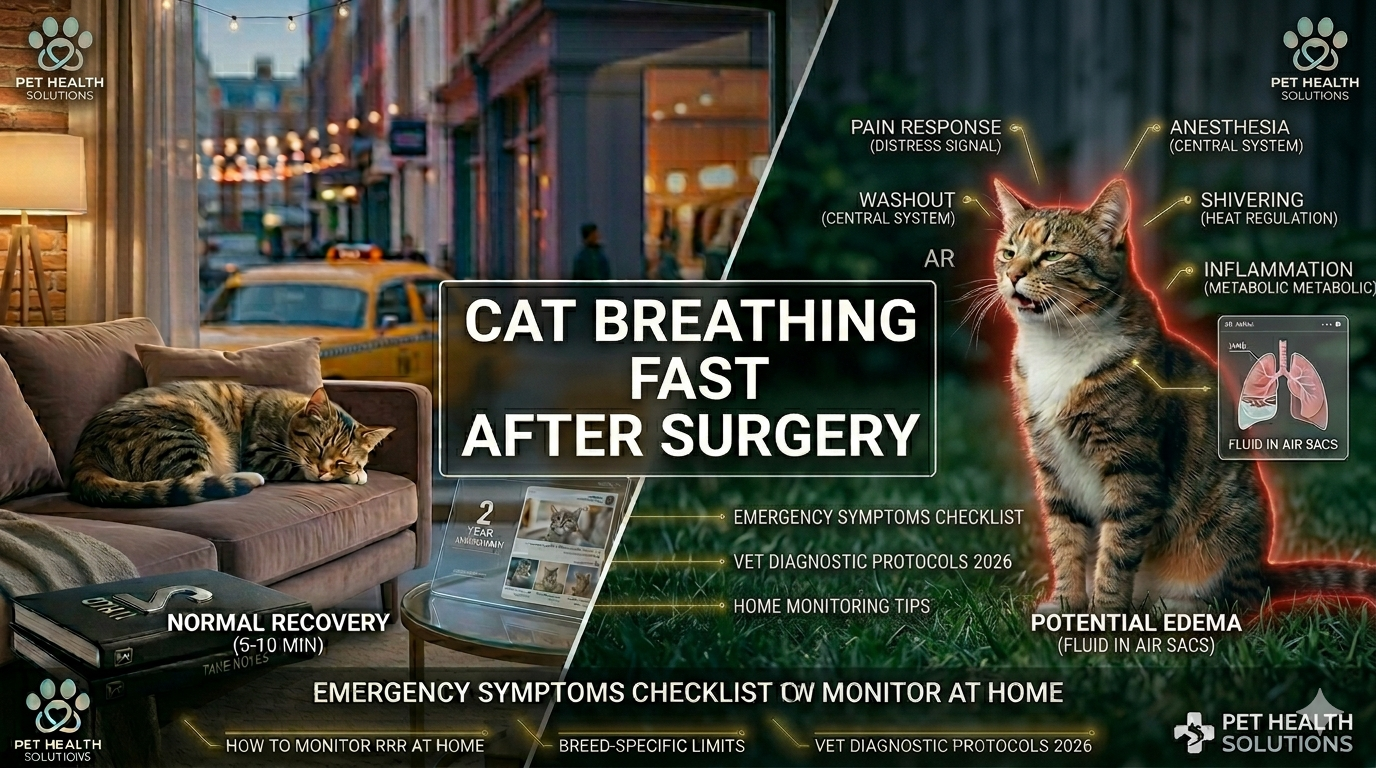
After a cat’s surgery, they might have fast breathing rates, which can be normal. The body gets stressed during surgical procedures, and the process of healing requires more oxygen and energy than usual. The cat’s body works on repairing tissues, lowering inflammation levels, and gaining strength; hence, the rapid breathing rate. Keep track of your cat’s behavior to know what is normal and what is abnormal when it comes to recovery from surgery.
The Effects of Anesthesia on Breathing
Anesthesia will impact your pet’s breathing following surgical procedures, since it slows down all physical processes in the body, including the breathing process. As your pet recovers from anesthesia, its bodily processes revert to normal, possibly causing an irregularity in the breathing process. The effects will eventually disappear as the effects of anesthesia dissipate. A peaceful surrounding will assist your pet through its recovery period.
Post-operative pain and discomfort
Surgery-related pain will cause increased breathing in your cat. As the cat experiences pain, the response to that includes increasing heart rate and breathing rate even from the least bit of pain felt. Reduced activity levels, decreased appetite, and increased sensitivity at the point of surgery are some of the other symptoms you should watch out for. Pain management is very important in the whole process.
Stress and Anxiety during Recovery
A surgical procedure may cause stress or anxiety, and this can result in your cat having a higher respiratory rate. This increased breathing rate can be triggered by the new environment, smells from the clinic, as well as the body pain. Your cat may also exhibit behavior such as hiding, restlessness, and withdrawal. The key to ensuring that your cat relaxes and heals well is to create a peaceful environment at home for your cat.
Breathing Rate at Home
Check the rate of respiration in your cat throughout the recovery period to ensure everything is proceeding smoothly. Choose a time when your cat is completely relaxed and count one minute for each breath. A normal rate of respiration in this case is between 20-30 breaths per minute. The rate should only increase slightly after the procedure has been completed. It would be good to observe this for a couple of days and document the changes. Avoid disturbing your cat when observing it as this may affect the results. Observations will help you detect any problems in time.
Irregular Recovery vs Problem Signs
It is important to know the distinction between regular recovery processes and signs that your pet might be having problems. Normal healing should entail slow improvement accompanied by steady respiration, but rapid respiration, difficulty moving the chest wall, and mouth breathing could mean trouble. You should also look out for signs of paleness or blueness of gums, extreme lethargy, and noisy respiration, which may mean oxygen deficiency. It would be wise to seek professional help immediately upon detecting these symptoms.
Risks of Infection and Inflammation
A problem with infections or inflammation in the surgical area might influence how your cat breathes. In cases when there is an infection, the body will work even harder, which leads to an increase in the number of breaths per minute. The following symptoms might appear: swelling, discoloration, and discharge in the place of surgery. This can cause stress for your pet and might slow down its recovery process. It is important that you keep the place of the surgery clean.
The purpose of Medications
Medications after the surgery may impact the respiratory process of your feline friend. While providing an optimal environment for a smooth recovery process, some drugs will have certain side effects that include mild changes to breathing frequency. Certain drugs may reduce breathing rate while others may increase it. Ensure proper administration of the medicines according to the prescription provided by your veterinarian. Avoid changing dosage levels of the drugs without consulting your vet.
Hydration and Nutrition Support
Hydration and proper nutrition will help your cat recover quickly and ensure that she continues to breathe normally. Your cat might be less hungry following surgery, but you can still entice her to eat by giving her smaller and more frequent meals. Make sure that there is always plenty of clean water available to avoid dehydration. Nutritious food will supply energy that your cat needs to heal.
Limiting Physical Activity
Constrain your cat from being overly active post-surgery, which will contribute to its healing process and prevent further health risks. Excessive activity puts undue pressure on the area under operation, as well as forcing your cat to breathe harder than necessary. Confining your cat in a confined place prevents jumping or running around. Your cat can engage in controlled movements but should not do rigorous activities until authorized by the veterinarian.
Comfort and Recovery of the Environment
It is vital that the environment should be conducive to the cat’s recovery from the operation. Ensure that there is a peaceful, well-ventilated, and comfortable environment for the recovery process to take place effectively. The noise should be kept at the minimum level possible. Make sure that your cat has access to soft bedding, feeding area, and water while in this environment.
Identifying Changes in Breathing related to Pain
The onset of pain can create subtle changes in the breathing pattern of your cat. For example, your cat will exhibit an increase in breath rate even when at rest, and he or she will avoid postures associated with increased pain. Other indicators include tense body position and lack of grooming. Pain can alter the breathing pattern, slowing the process of healing. Be on the lookout for such symptoms, then consult your vet if necessary.
Contact Your Veterinarian When
If the respiratory function of your cat remains unchanged or deteriorates even further, you need to inform your veterinarian immediately. Pay attention to abnormal respiration, labored breathing, or other symptoms related to the respiratory system. In addition, seek medical attention if your pet shows resistance to eating or looks exhausted. If your intuition tells you that something is not right, do not delay in contacting your vet.
.
Prophylactic Future Health
The prevention of disease will lower the risk factors associated with any future treatment. Regular visits to the vet will ensure that any potential problems are spotted in time, including problems that may interfere with surgical treatment. Your cat can remain healthy by eating the right foods. Vaccinations will prevent your cat from contracting any diseases. Talk to your vet about any worries you might have prior to any treatments.
.
Establishing Confidence and Coziness in the Recovery
Your attention helps your cat to feel secure after its operation. Maintain a relaxed demeanor, be calm, and have a consistent routine so that your pet feels secure. You can spend some time near your cat without necessarily trying to engage with her. This makes it easier for your pet to feel at ease and breathes steadily while recovering from its surgery.
Last Reflections on Breathing after Surgery
It is quite common for cats to breathe fast after undergoing surgery. It is therefore important that you keep an eye on your feline friend, take care of its needs, and follow all directions from the vet. While minor alterations in behavior may not cause any alarm, more serious issues will require intervention. Early detection and prompt action are crucial to ensuring a speedy recovery.