Blog
Can Cats Eat Jerky? The Honest Answer

For cat owners, it is very tempting to share some of their favorite treats with their furry companions, particularly if the cats have a strong interest in the foods enjoyed by humans. When it comes to pets and feeding them, there is always the issue of whether one should allow their cats to consume jerky or not. The fact that jerky is derived from animal meat might lead many people to conclude that cats can safely eat jerky.
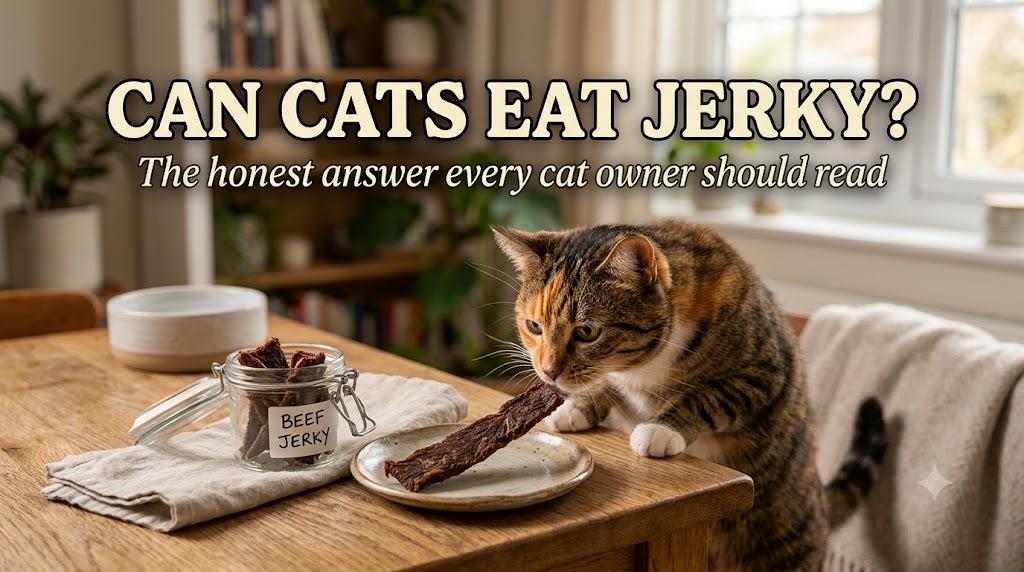
Consideration of what jerky really is
Jerky is dried meat that is flavored with spices. Moisture is removed from beef, turkey, chicken, or other meats to allow them to last longer, and to give them a chewy texture. Moreover, a lot of commercial jerky products include other ingredients such as salt, spices, preservatives, flavor enhancers, and sweeteners. These ingredients can improve the flavor and storage life in human foods, but can be harmful to cats if consumed regularly.
Why Cats Crave Meat Snacks
Cats are obligate carnivores, which require animal protein in order to receive nutrients that are vital to their survival. Cats not only need to consume a variety of foods, they also need certain amino acids like the amino acids in taurine, which they can only obtain from meat. This means that it is a popular scent and flavor for cats and should work well as a treat. But that does not mean that one can enjoy a food and benefit from it nutritionally. So, the answer is to consider safety, not solely a cat’s interest.
Is Jerky safe for Cats?
Yes, cats can eat jerky – it depends on the type of jerky. Unflavored, unscented pet meat jerky could be safe if it is eaten in small quantities. But, most of the jerky you buy from stores for humans have too much sodium, spices, and additives that can be harmful to cats. For this reason, veterinarians usually steer clear of jerky treats for cats.
A problem with high sodium content
The highest salt content is one of the biggest concerns with commercial jerky. Sodium is used in the preservation of meat and to improve its taste by manufacturers. Sodium is much less important to cats than to humans. High salt consumption can lead to dehydration, excessive thirst, electrolyte imbalance and, in extreme cases, sodium toxicity. For these reasons, salty jerky is not suited to the health of cats and should not be fed to cats on a regular basis.
Why Seasonings Can Be Dangerous
Garlic powder, onion powder, pepper and spice mixtures are common ingredients in many jerky products. These components are good for humans, but not so good for cats. Onions and garlic have the ability to destroy red blood cells and may cause anemia. What’s more, spices can irritate the digestive tract, too. Therefore, it’s important to avoid giving cats too much, or even any, jerky that’s very heavily seasoned.
Artificial Preservatives and Additives
Many commercial jerky products have preservatives added to keep the product from going bad. Nitrates, nitrites, artificial flavorings and chemical stabilizers are found in some products. These ingredients are deemed safe in human consumption within specified limits, but long-term effects in cats are less known. Thus, the reduction of unnecessary contact with artificial additives can help improve dietary habits and lower the possible dangers.
May Cats eat Jerky from Beef?
One of the most popular types of jerky is beef jerky. Small amounts can be consumed by healthy cats if it is just plain, dehydrated beef with no salt or seasoning added. But most commercial beef jerky is made with ingredients that are not good for cats’ digestive systems. Thus, it is important for owners to be cautious when choosing whether or not to feed any beef jerky as an occasional treat, given the importance of reading the ingredients on the label.
Turkey Jerky and Cats
It is often marketed as a healthier choice, due to the lean protein content of turkey. The issues about sodium, seasonings and preservatives apply to the same extent, however. Also, many turkey jerky products are flavored with spices and sweeteners which are not beneficial to a cat. Therefore, turkey jerky should only be considered if it is made without potentially harmful ingredients.
Chicken Jerky Alternatives
Chicken jerky treats are sometimes safer alternatives than normal human jerky treats. There are pet food brands that make treats for cats from chicken that are dehydrated. In addition, these products typically do not contain a lot of salt and harmful ingredients. For meat lovers, then, it may be better to find treats that are safe for pets than human snack products, when it comes to rewards.
The nutritional value of meat-based treats
Meat treats can be a great source of protein, which is essential for maintaining muscle health and overall well-being, when prepared properly. Plus, protein plays a role in energy production and tissue repair. Treats should be given in addition to a balanced diet, not in place of it, though. Therefore, even healthy meat treats should be treats and not a main course.
Is Jerky a Good Daily Treat for Cats?
People wonder if can cats eat jerky if their cat likes it? It’s not recommended to eat jerky every day in most cases. However, frequent feeding can be problematic due to the high sodium content and/or possible additives in commercial products. Moreover, too many treats could also lead to nutritional imbalance and obesity. As a result, veterinarians usually suggest giving treats no more than 10% of the daily calorie allowance.
Some digestive difficulties can be connected to eating jerky
Cats can have stomach issues after eating jerky. Gastrointestinal upset and intolerance to the food, which includes vomiting and diarrhea, and decreased appetite may occur, especially if unfamiliar food is introduced suddenly. Also, cats with weak stomachs are at more risk. Therefore, any new treatment needs to be given slowly and carefully to check for problems.
Choking Hazards and Texture Concerns
There is another thought on the matter: Jerky’s chewy texture. Cats tend to eat very fast and not chew their food thoroughly. Therefore, large chunks of jerky can cause choking or may be hard to chew and swallow correctly. Small portions of treats can greatly minimize these risks. However, texture is a key consideration in assessing the safety of treats.
Commercial Jerky is often sweetened with sugar and other sugars to improve the taste
Sugar, honey, corn syrup or artificial sweeteners are added in some jerky product The main ingredients are there to enhance the taste for human eaters and little value for cats. Also, some sweeteners can lead to intestinal problems or to an unnecessary increase in calorie intake. This means that by avoiding products of sweetened jerky, a person can make better dietary choices and avoid unnecessary nutritional worries.
Healthier Alternatives to Human Jerky
Thankfully, there are more palatable alternatives for owners who want to treat their pets to something with a bit more protein. Cat treats can be freeze-dried and dehydrated that contain less sodium and have fewer additives. Moreover, these products are formulated in a manner that takes into account the nutritional needs of cats. That’s why they are a better option than snack foods.
It’s much better to choose Freeze Dried Chicken Cat Treats
Many veterinarians recommend the freeze dried chicken cat treats as they have minimal ingredients, yet are full of beneficial nutrients. Freeze dried treats are typically made from pure meat with no extra ingredients, which is different from winterized jerky. As a result, they are easy and specific to reward cats and reduce the risks from too much salt and preservatives.
Craft Your Own Cat Treats with Jerky
There are some people who opt to make their own meat treats in a dehydrator. This way, all ingredients and preparation methods can be controlled. Secondly, homemade treats can avoid the addition of unhealthy spices and over-salting. But good food hygiene is crucial all the way through the preparation process. Careful handling and storage, therefore, minimize the risk of contamination and promote safer feeding practices.
Carefully read ingredient labels on food
Labels of ingredients are useful to learn about product safety. The owners should review the sodium, preservatives, seasonings, sweeteners and flavor enhancers before buying any meat snack. Also, if there are fewer items on the ingredients list, it means there are less unnecessary add-ins. Label reading, therefore is still one of the best ways to find a safer treat.
If your cat has an illness, is Jerky safe for them?
Kidney disease, heart problems, hypertension and urinary problems are areas of particular concern that must be carefully managed. People with some underlying health issues might find that a high sodium diet can exacerbate their condition and increase strain on the body. For cats with medical conditions, commercial jerky is not recommended unless approved by a veterinarian who is familiar with their medical issues.
Rabbit Cat Food and Novel Protein Options
These are a good option for those looking for a protein alternative for their pets, particularly rabbit cat food. Cats with specific food sensitivities or allergies may benefit from a diet that includes rabbit. Also, furry foods which are formulated for rabbits are usually better for feline nutrition than random human snack foods. As a result, specialized cat food will still be better than going with experimented food items as treats.
Indications Your cat ate unfit Jerky
Owners should watch for any signs or symptoms that may result from inappropriate jerky consumption including excessive thirst, vomiting, diarrhea, lethargy, drooling, lack of appetite, or unusual behavior. Also, indications of choking or difficulty breathing must be addressed immediately. Therefore, early detection of complications after accidental ingestion will allow for early intervention.
If Your Cat Eats Human Jerky – What To Do
If a cat bites accidentally by a small bite, it’s not likely to cause serious issues. But the larger quantities or jerky that contain poisonous ingredients should be treated with caution. Owners should read the ingredient list right away and keep an eye on any symptoms. Plus, a vet’s contact can offer excellent advice about possible dangers and what to do next. As such, a timely evaluation can avoid unnecessary complications.
Veterinary Perspective on Jerky Treats:
Human jerky stick treats don’t provide cat food that meets the nutritional standards of cats, and most vets don’t recommend it. Meat is suitable for cats, however, over-sodium, preservatives or seasoning is not. Veterinarians therefore recommend that only specially formulated cat treats be used and not products meant for humans.
Creating a Healthy Treat Strategy
Treats can be used to help build positive relationships with cats and owners, and can be used for positive reinforcement when training and for enrichment. But, moderation is important. A good food, proper nutrition, good exercise and good veterinary care all help to build good health. This means that careful feeding of treats will foster better health outcomes than indiscriminate feeding will.
Final Thoughts
Therefore, is jerky safe for cats? Un flavored/seasoned meat jerky in small quantities can sometimes be acceptable, but most commercial meat jerky products are not good for cats. Excess sodium, preservatives, sweeteners and even seasonings that may be harmful are unnecessary extra health risks. Rather, cat treats and less processed protein treats are more secure choices. With the right snacks and taking advice from your vet when you have any questions, you can provide your cat with reward while keeping them healthy and happy all their lives long.
