Blog
Cat Eye Stone: Everything You Should Know in 2026

Eye problems in cats may prove to be worrying when a dark brown, black, or amber colored spot starts forming on the surface of the eye. This problem is known as cat eye stone and its clinical term among veterinarians is feline corneal sequestrum. The eye condition targets the cornea, the transparent outermost part of the eye. Untreated cat eye stones could result in painful, impaired vision or blindness. Information about cat eye stone disease would help one to identify it in the early stages of development.
What Is Cat Eye Stone?
This is a term used to describe an area of the cornea that is damaged and shows a dark lesion in the shape of a plaque. With time, the lesion turns brown, black or dark amber, resembling a stone within the eye. This is not an uncommon condition among cats, but there are certain breeds that are more predisposed to the problem. Early diagnosis is essential due to the nature of development, which makes routine checkups a must for effective treatments.
Cat Eye Stone Disease Description
Cat eye stone is considered a serious case in corneal diseases because the part of the cornea that has been damaged changes its color and is no longer transparent. In addition, the lesion may make the cat suffer from irritation and inflammation. Depending on the stage of development, the lesion could be superficial or reach deeper parts of the cornea.
What Are the Causes of Eye Stones in Cats?
There are many causes that may lead to the formation of corneal sequestration in felines. The major cause of the disorder is chronic irritation of the eye. Inflammation, trauma, viruses, eye lid issues, and tear deficiency can all result in damage to the eye. Also, genetic predisposition can play a role in the disease’s occurrence. To identify the best approach for treating the ailment, several possible causes should be determined by veterinarians first.
Breeds Most Likely to Develop Corneal Sequestration
Corneal sequestration can occur in any cat, but there are breeds with a high predisposition towards the disorder. Persian, Himalayan, Burmese, and Exotic Shorthairs are just a few examples of cats reported with the disorder. These breeds possess characteristics that put their eyes at risk of irritation, damage, or dryness. Therefore, owners of such breeds should pay close attention to the appearance of the eyes.
Symptoms That Should Be Watched by Owners in the Early Stages
Common symptoms include overproduction of tears, squinting, frequent blinking, and heightened light sensitivity. Cats may rub their heads on pieces of furniture or scratch at the affected eye as a result of irritation. At this stage, a dark spot will also be seen developing in the cornea. Since the initial symptoms may seem rather minor, owners tend to neglect them, delaying treatment.
Advanced Symptoms of Cat Eye Stone Disease
At a more advanced stage, cat eye stone is accompanied by more pronounced symptoms. These can range from keeping one eye partially closed due to pain to developing significant discharge. There might also be swelling around the eye. Vision might even be impaired as a result. The dark spot will grow larger, making it easier to diagnose the problem.
Diagnosis by Veterinarian
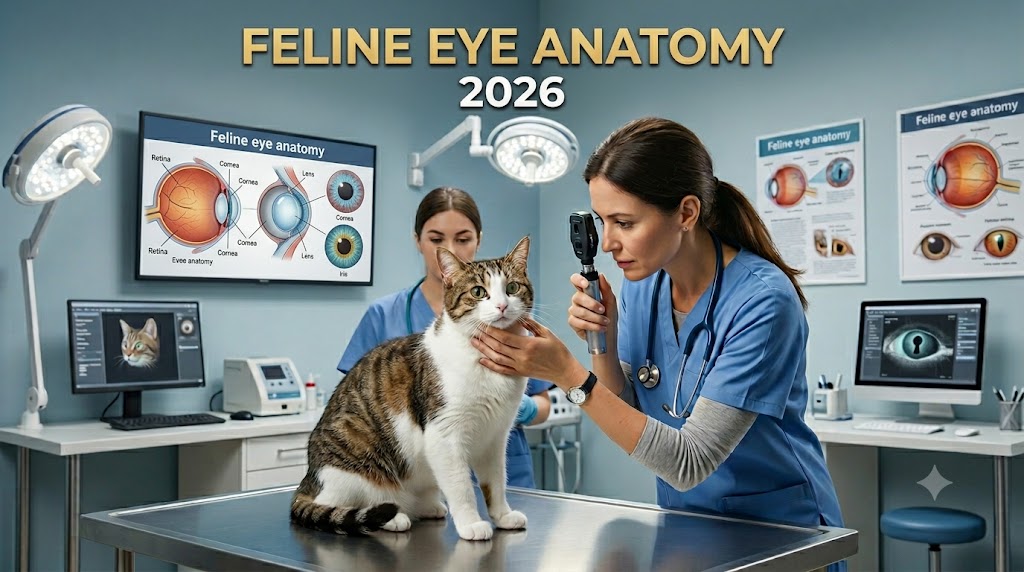
The problem is diagnosed with the help of an extensive eye examination. Various tools enable detailed examination of the cornea along with other elements. Fluorescein stains are used to determine ulcers and the state of the cornea. There are situations when other tests may be conducted in order to measure tear production and infection. A proper diagnosis is very necessary since there are other illnesses that share similar symptoms.
Corneal Ulceration and Eye Stones
Most cases appear together with corneal ulcers and corneal disease. Constant eye irritation results in damaging of the eye tissues, which leads to the development of sequestrum. It should be noted that timely treatment of eye injury or diseases is crucial to prevent the condition.
Can Viruses Be Responsible for Causing Eye Stones in Cats?
The feline herpesvirus is commonly linked to chronic eye problems and can cause the formation of eye stones. Cats who suffer from this viral infection often experience chronic eye infections. This irritates their eyes and makes their cornea weak and prone to injury. Not all cats with this problem will get sequestration, but controlling their virus outbreaks is critical to managing the condition.
Treatments for Cat Eye Stone
Treatment is highly dependent on the condition’s severity. Simple cases will be treated using drugs that help manage inflammation and infections and promote cornea healing. However, surgery will likely be required for some cats. Doctors usually suggest excising the injured cornea to help stop the pain and heal the area.
Surgery and Recovery Process
This surgical procedure is still considered one of the most effective for treating severe cases. In the process of surgery, specialists remove the affected tissue but try to preserve as much healthy cornea as possible. Some cats may need to undergo the transplantation procedure for better eye protection during recovery. After surgery, patients receive drugs and may need some time to fully restore their eyes.
Eye Stone in Cats and Other Eye Problems
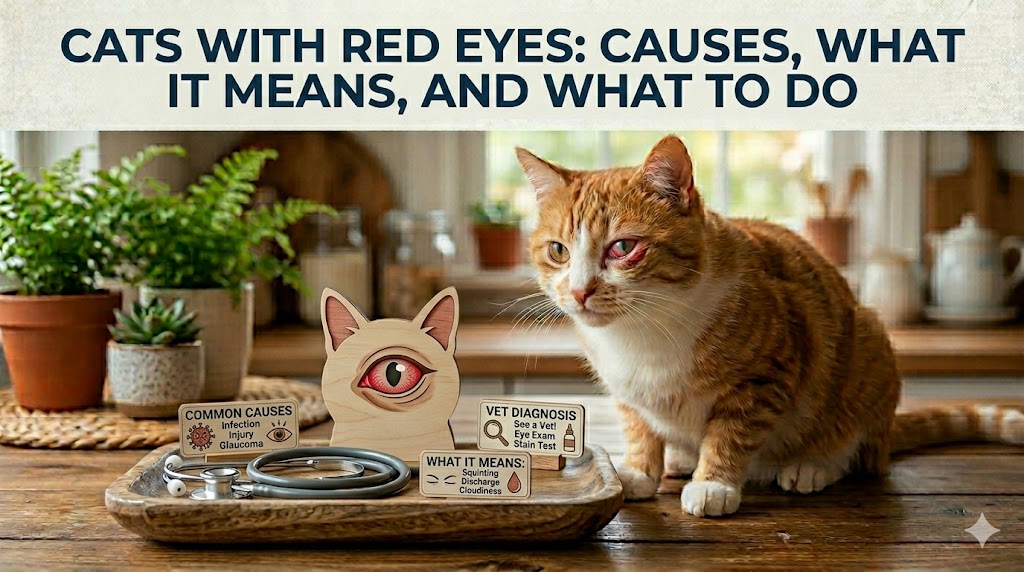
Those who research eye problems on the web may come across such conditions as red eye in cats. This condition can develop due to infection, allergy, inflammation, and even an injury. Although these two eye problems are completely different, any changes in the cat’s eyes require medical care.
Watery Eyes – Sign That Your Cat May Have a Condition
Tears usually accompany some eye diseases. People who are worried about their cats’ sneezing and watery eyes need to remember that prolonged irritation leads to further eye damage. While watery eyes are common when dealing with some kind of infection, persistent symptoms may indicate an underlying problem which will require a closer look at corneal tissue.
Avoiding Future Problems with Eye Health
Although you can’t prevent every case, frequent veterinarian visits help detect problems on time. Infections, trauma to the eyes, and eyelid disorders are all factors that lead to irritation. It’s important to keep your pet’s eyes clean and check the condition on a regular basis. High-risk breeds need frequent eye exams.
Conclusion
Cat eye stone is a difficult condition for cats to endure, but it can be effectively treated if identified early on by your vet. Whatever may be the cause, whether it be chronic irritation, virus infection, or some genetic disorder, quick action is always necessary in order to save the animal’s eyesight. Understanding the causes, symptoms, and possible treatments of this condition will help you make the best decision regarding your pet cat’s eyes.