Blog
Stomatitis Cats: Everything You Should Know in 2026

Cats that suffer from stomatitis have an oral inflammation that is very severe and causes much pain inside their mouths. Cats having stomatitis face difficulties in eating, grooming themselves, and behaving normally due to the presence of unbearable pain in their mouth. While stomatitis can occur among all ages of felines, it is more common to find it in cats that are already grown up and experiencing dental and/or immunity-related disorders. However, as cat owners often mistake its early signs with minor dentition problems, prompt attention is very crucial. Thus, knowledge of stomatitis symptoms, causes, and treatment is very essential.
What Is Feline Stomatitis?
Feline stomatitis refers to the severe inflammatory state in the feline oral cavity. Unlike gingivitis, the inflammation caused by this illness is rather severe and involves active responses from a cat’s immune system. As a result, mouth tissues suffer damage, causing painful feelings. It is believed that most cases involve hyperactivity of the immune system toward the bacteria and other materials that form the dental plaque. In this way, a cat suffers from swelling, reddening, and ulcers on its mouth’s inner tissues. Often, a feline experiences even more severe inflammation reaching the cat’s throat.
Why Does Stomatitis Cause So Much Pain?
The pain associated with stomatitis arises from inflammation, which occurs throughout the whole mouth, affecting sensitive tissue. Cats are uncomfortable with eating, drinking, grooming, and yawning, among other actions due to stomatitis. Hence, cats are reluctant to eat because it causes pain due to the chewing motion. On the other hand, the formation of ulcers, sores, and bleeding is typical during chronic inflammation and thus contributes to worsening pain. Being excellent hiders, cats rarely exhibit pain symptoms until the disease progresses significantly. In such cases, pet owners should seek veterinary advice promptly to minimize their cats’ suffering.
Common Symptoms of Stomatitis
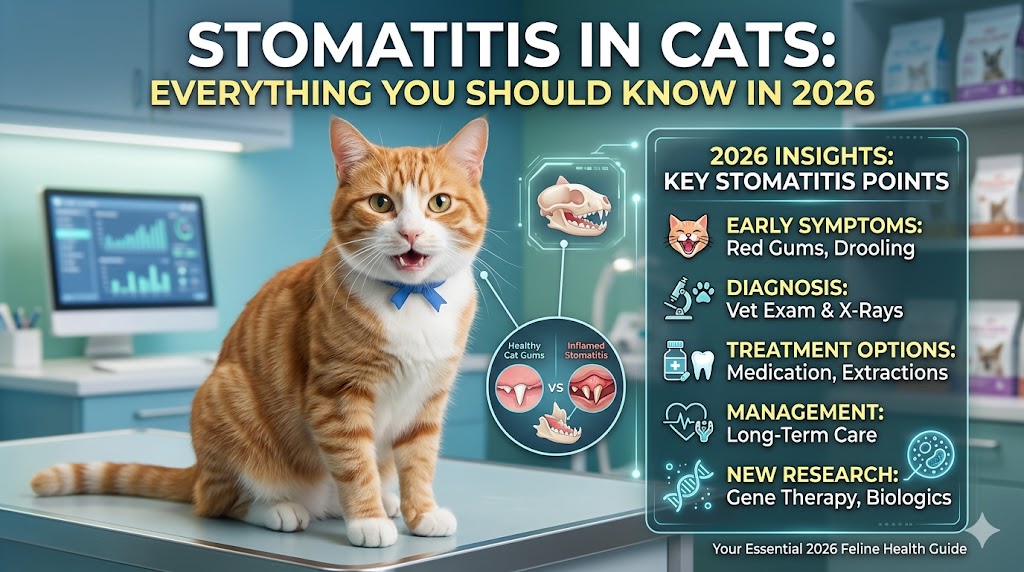
There are some distinctive symptoms of stomatitis in cats, all relating to their mouth pain and inflammation. Excessive drooling is a typical sign of mouth inflammation because cats experience discomfort when swallowing and produce extra saliva. Also, bad breath is characteristic of stomatitis due to excessive bacteria build-up and infected mouth tissues. Cats may paw at their mouths while crying because of pain during chewing. Other signs of stomatitis include weight loss due to loss of appetite. Red, swollen, and bleeding gums are common during inflammation.
Bad Breath and Mouth Odor
The most recognizable and early signs associated with stomatitis in cats include bad breath. The inflammatory processes occurring inside the mouth along with infection cause significant odors emanating from the cat. Stomatitis breath usually differs from the bad breath that results from eating particular foods. In addition, the inflammation of mucous membranes leads to increased bacterial infections. Moreover, many owners do not expect their pet to have such breath, which allows for the disease development to a more severe stage. Thus, any unpleasant mouth odor is a good reason to visit the veterinarian to find the source of this problem.
Eating Difficulty and Weight Loss
Another sign of this disease in cats is difficulty eating due to the discomfort caused by inflammation. Cats may show interest in feeding and begin eating actively, but soon stop because of discomfort while chewing food. Furthermore, some felines may refuse from eating dry food and prefer softer varieties of feed. As a result, a cat starts losing weight gradually. In case of a very severe disease, this issue may progress until the cat stops eating completely and develops dehydration.
Drooling in Cats with Stomatitis
Cats with stomatitis tend to drool excessively since the condition causes inflammation that heavily irritates the mucous membrane in their mouths. The saliva production rate rises as the body works to respond to the pain and infection present in the oral cavity. Swallowing may be difficult for cats with stomatitis, hence leading to saliva accumulation around the lips and under the chin. Blood can also come out in the saliva due to the presence of ulcers and bleeding gums. Healthy cats do not drool a lot of saliva. Thus, the presence of excessive drooling is an indicator of mouth problems. Owners need to take their cats to see a veterinarian when excessive drooling happens.
Causes of Cat Stomatitis
The exact cause of cat stomatitis is yet to be identified. However, there is evidence to show that the body’s immune system is responsible for developing the condition. The immune system may overreact to plaque bacteria on the teeth, leading to severe inflammation throughout the mouth. Viral infections, genetic, and dental diseases could also increase the risk of developing stomatitis. Some cats may have genetic tendencies to react aggressively to inflammation compared to others.
Importance of Dental Diseases
It is common for dental diseases to cause stomatitis in cats. Bacterial infection in the mouth results from the accumulation of plaque and tartar. This leads to inflammation in the gums and tissues around the mouth. This condition causes exaggerated responses by the immune system in cats, resulting in an escalation of oral disease in them. The condition becomes worse when there is an infection within the teeth, causing additional inflammation in the mouth. It is essential to maintain excellent dental hygiene for cats, including professional cleaning from a veterinarian.
Viral Infection and Stomatitis
Some viral infections might make the cats more prone to developing stomatitis. Feline immunodeficiency virus and feline leukemia virus cause immune system weakening, which makes the cats prone to stomatitis. In addition, cats suffering from feline calicivirus might develop oral lesions, which lead to worsening the effects of stomatitis. However, not all cats infected with these viruses will have stomatitis. Nevertheless, it increases the possibility of having stomatitis. The veterinarian will consider testing the cats for the viruses while diagnosing stomatitis.
Methods Used by Veterinarians to Diagnose Stomatitis
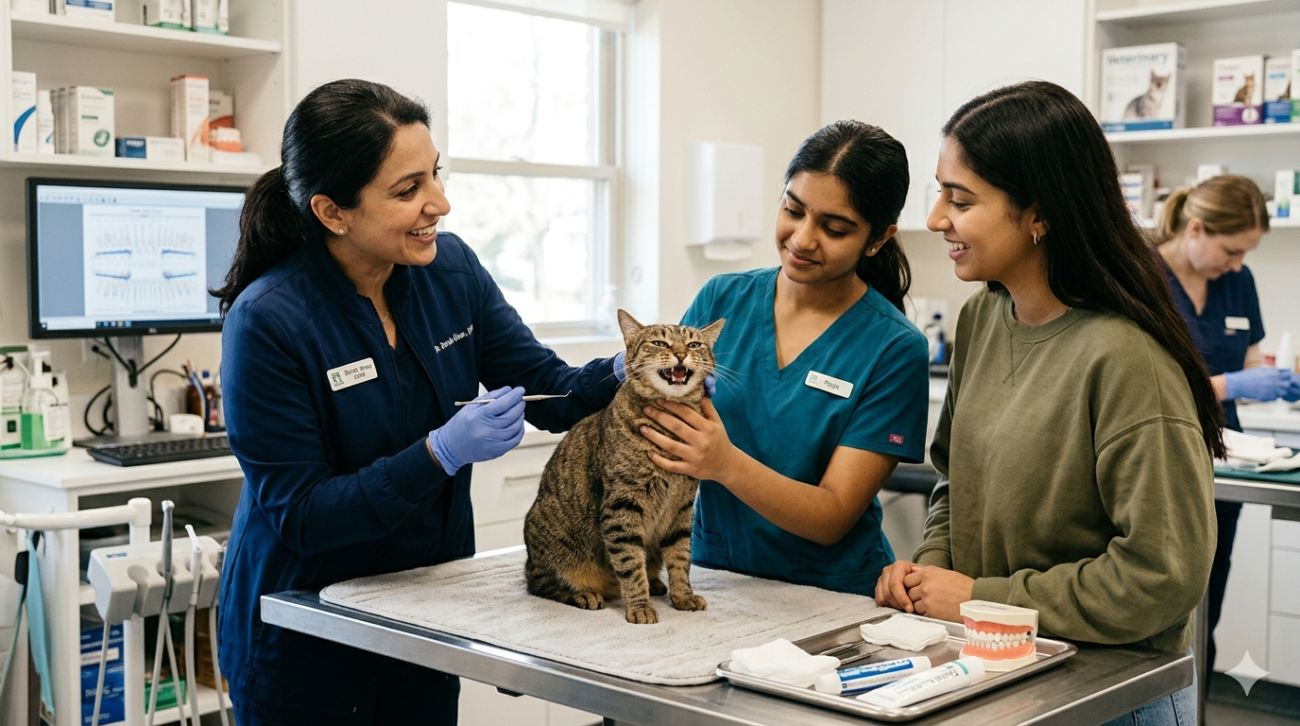
Stomatitis is diagnosed in cats based on clinical exams and blood tests. The veterinarian examines the gums, tongue, and mouth to observe any indications of significant swelling and ulcers. Moreover, a radiographic examination can be performed to detect any damage to the teeth under the gum surface causing inflammation. Furthermore, blood tests could be conducted to assess the general state of well-being and viral infections impacting the immune system function. As stomatitis shares symptoms with other diseases, the accurate determination is crucial to establish an adequate treatment regimen.
Possible Treatment Methods for Stomatitis
The primary treatment methods for stomatitis involve reducing pain and inflammation as well as enhancing oral hygiene. Pain relief medication, antibiotics, and anti-inflammatory drugs could be administered to reduce discomfort and prevent infection. Furthermore, professional dental care could eliminate the tartar and plaque build-ups provoking the immune response. Moreover, immune modulators could be prescribed if inflammation cannot be managed with standard treatments. As the disease manifests itself in various ways, personalized therapy should be provided according to the cat’s needs and symptoms.
Tooth Extraction Procedures and Their Importance
Some serious stomatitis cases necessitate the extraction of some teeth to help lower the inflammation level. Despite how drastic the process of extracting teeth may seem, it is a great way to get cats to relieve themselves of pain. Bacteria in the mouth can constantly stick to the surface of the teeth. For this reason, tooth removal helps keep inflammation levels low. Cats have been known to adapt well after going through such procedures and will be able to eat better soon after. Hence, tooth extractions are recommended in cases where medication does not offer much help in controlling symptoms of stomatitis.
Recovery Process Following Dental Procedures
There are instances in which cats recover slowly following their extraction procedure. Swelling may take place after such a procedure and there may be slight problems in eating for a while. However, cats begin to eat well after recovery once the painful teeth have been removed. Pain medication may be prescribed in such instances by the veterinarian. In addition, a cat may be fed soft food until recovery has taken place. Due to the lack of pain after such a procedure, a cat can become very active.
Home Treatment for Stomatitis in Cats
With proper home care and attention, owners can assist in the treatment of cats with stomatitis. In many cases, providing soft food is useful since eating dry kibble causes much discomfort due to oral pain. Moreover, creating a calm environment contributes positively to immune system health. Finally, some veterinarians recommend using specific rinses that help reduce bacterial load and prevent inflammation in the cat’s mouth. Finally, paying close attention to appetite and drinking behavior is crucial since they can reveal worsening conditions and potential problems. Hence, frequent communication and observation will make management easier and provide benefits for cats.
Is Stomatitis Preventable?
Although complete prevention is almost impossible, appropriate dental care decreases the chances of getting stomatitis considerably. For example, regular cleaning prevents plaque from accumulating in the cat’s mouth and promotes healthy oral cavity. Similarly, periodic visits to the veterinarian ensure early diagnosis of gingivitis and other oral diseases. Next, regular vaccination contributes to good immune response in case any disease occurs. Balanced nutrition and reduced stress also play significant roles in health maintenance.
Living with a Cat that Has Stomatitis
The majority of cats having stomatitis live healthy lives with appropriate treatment and ongoing care measures. Even if stomatitis requires long-term care for life, relieving the pain and improving cat’s feeding experience significantly improve its overall comfort level. Moreover, improvement in behavior is observed once the pet stops suffering from oral inflammation and related problems. It is essential for owners to keep up with regular veterinary check-ups because sometimes it becomes necessary to make changes in medications. Consequently, patience and careful monitoring will contribute to successful treatment and improved health conditions of cats suffering from stomatitis.
Contacting a Vet in Case of Urgent Symptoms
There are several symptoms that should alert an owner and suggest him/her visiting a veterinarian immediately. They include refusal to eat even slightly and inability to swallow food. If the cat refuses eating for more than twenty-four hours, a vet should be contacted immediately. Moreover, it is recommended to call a vet immediately if one notices increased salivation, blood coming from mouth area, face swelling, and excessive weight loss in the animal.
Conclusion
Feline stomatitis is a condition that can cause a lot of discomfort to cats, but it is not difficult to treat once detected. While the signs of stomatitis such as bad breath, excessive drooling, and decreased appetite might seem minor at first, they indicate major inflammation taking place in the cat’s mouth. However, if stomatitis is detected early enough and treated effectively, recovery becomes possible. Cats have been known to live comfortably after treatment through dental care and medication, even when teeth need to be removed.