Blog
My Cat Is Limping But Still Walking

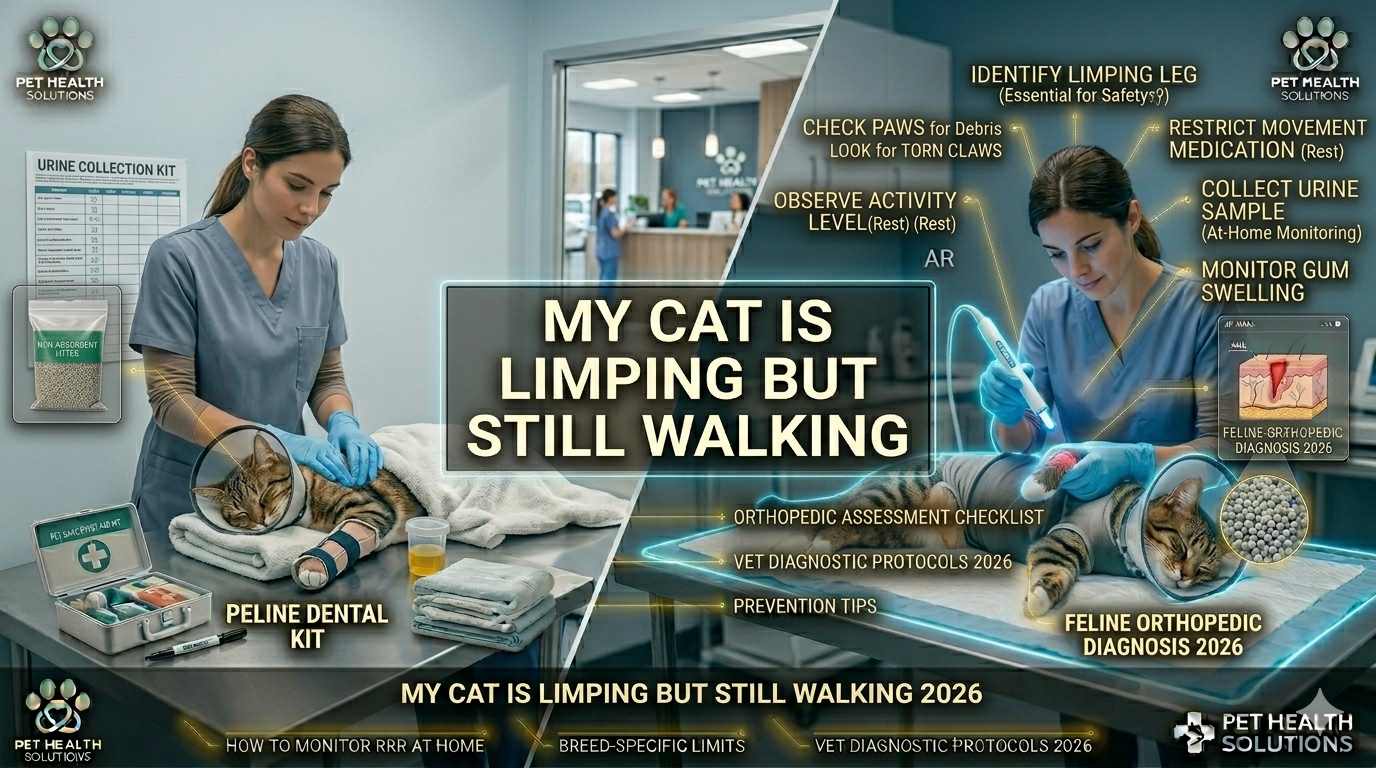
If you see a limp in your moving cat, there is no reason for panic. However, you will need to pay close attention to what is happening because even the appearance of limping indicates the presence of an underlying problem. To help your kitty heal without developing a complication, early diagnosis and treatment are essential. The better your ability to observe your pet’s limping, the greater the chances of helping him quickly.
What to Look at When Observing Your Limping Cat?
You will need to pay attention to which leg your cat prefers and how often he licks his limb. In addition, note whether the limp occurs after playing or regularly appears during the day. The ability to maintain balance, posture, and jump height are also important. Moreover, behavioral indicators, such as avoiding playtime, should also be considered when observing your pet’s limping.
Examining the Limping Leg
It is recommended to carefully examine the injured leg to find any physical symptoms. It might help to identify such problems as swelling, wounds, scratches or other factors, such as a foreign object, like thorns. Moreover, it will be necessary to check out your cat’s paws and claws, as they might get slightly hurt and make your pet limp. It is important to perform the examination gently, because otherwise, you can only worsen the problem. A simple check will show what problem is causing your cat’s difficulty.
Reasons Why Cats Limp While Walking
There is a number of possible reasons why your cat is limping while still being able to walk around. Most likely, the limping appeared due to a small injury, muscle strain or cuts, and it will eventually disappear in a couple of days. Besides, limping can be associated with a cat’s sprained joint, which usually happens as a result of its jumps and games. Sometimes, nail injuries can cause similar consequences
Proper Rest for Recovery
It is essential that you give your feline companion sufficient rest so that it will have enough time to heal. Make sure that he doesn’t engage in rigorous activities that may require him to jump and run. Find a comfortable spot for her to rest and ensure she will be in a peaceful environment. By having sufficient rest, the body will be able to mend small injuries and lessen the burden on the injured leg. You can prevent any unnecessary movements and playful activities as well. This will help treat the situation
Gentle Home Care for Your Cat
As an owner, you can also extend gentle care to your kitty while she is still in your house. It is best that you maintain cleanliness in the wounded site. If there is some degree of swelling in the affected area, you can gently apply cool compress for some minutes. Always ensure that she will feel comfortable and safe wherever she may be. Do not give any form of treatment meant for humans.
Monitoring Changes in the Condition of the Cat
It is important that you keep an eye on how your pet’s condition is evolving. See whether there has been any improvement in the limp, if the limping persists, or if there is a worsening in the situation. Note any changes in your cat’s eating habits or activity level. A cat that eats as usual and moves freely may be suffering from a minor problem. But if your pet loses interest in her surroundings and looks uncomfortable, it is essential that you pay attention.
Identifying Warning Signs of the Problem
You have to identify the symptoms that may indicate that there is something more wrong. If your cat limps persistently, there is swelling around the injured part, or she has trouble walking on the limb, then it could mean that there is a bone fracture or some other problem. In addition, your cat avoiding use of the limb or being visibly uncomfortable should also be treated as a serious warning sign.
Preventing Common Errors
There are some common errors which you should avoid to prevent aggravating the problem. You need to realize that it is important to take steps even though your cat is able to walk. You should also refrain from making your cat move or play. Remember never to use human medicines to treat your cat. These mistakes can make your cat suffer even more. It is important to know what to do to prevent any further problems.
Making Your Cat Comfortable
You need to keep in mind that you must make sure that the area where your cat recovers is comfortable. Make sure that your cat stays in a peaceful place with soft bedding. You should have food, water, and a litter tray close by to minimize the chances of movement. It will help your cat recover faster. Comfort makes an important factor in the process of recovery.
Nutrition for Recovery
Your cat should be given a nutritious diet that will aid in her recovery. This will help in healing damaged tissues and will increase her strength. You should make sure that your cat takes plenty of fluids to remain hydrated. Good nutrition will boost her recovery process and improve the functioning of her body. You may give her smaller meals if she has poor appetite. Proper nutrition will ensure the recovery of your feline friend.
When to See a Vet
You should visit a vet if the limp fails to heal within several days. This will show your concern about her health condition. Your pet may have injuries or fractures. She may also suffer from diseases like infection. Early diagnosis will help your vet treat the ailment efficiently. Do not delay in visiting a vet when symptoms persist or worsen.
Long-Term Problems that Cause Limping
Cats can limp because of long-term health problems such as arthritis or joint diseases. They might be able to walk, but the problem is persistent. You need to check your cat for symptoms and offer appropriate assistance. Proper bedding, nutrition, and physical activity can help deal with such problems. Knowing the long-term reasons for limping will make it easier for you to change your care routine accordingly.
Steps to Prevent Future Limbing and Other Injuries
You need to take actions to minimize the risks of future limbing and other injuries. Do not leave dangerous objects and things in your house. You have to observe how your pet behaves when it is outside. Give it proper places to climb up. Your grooming procedures will help you identify any potential problems earlier.
Establishing Trust When Caring for Your Cat
During care, you need to be gentle when dealing with the cat and talk to it calmly. You have to handle the cat carefully and avoid abrupt movements. It is important to reward the cat through offering it treats or petting after each inspection. Establishing trust will help the cat relax and become more responsive. As a result, you will be able to take better care of your cat. The establishment of trust is important for a successful recovery process and future health inspections.
Conclusion on Limping Cats
In case the limping cat can walk, it should receive necessary care. You need to pay close attention to the cat’s condition. In such a way, you will notice any changes in its well-being and act accordingly. Your vigilance will help you provide timely treatment to your cat. This way, you will be sure that the cat recovers quickly from an injury or illness and continues living happily.
