Blog
Why Is My Cat Breathing Fast While Resting?

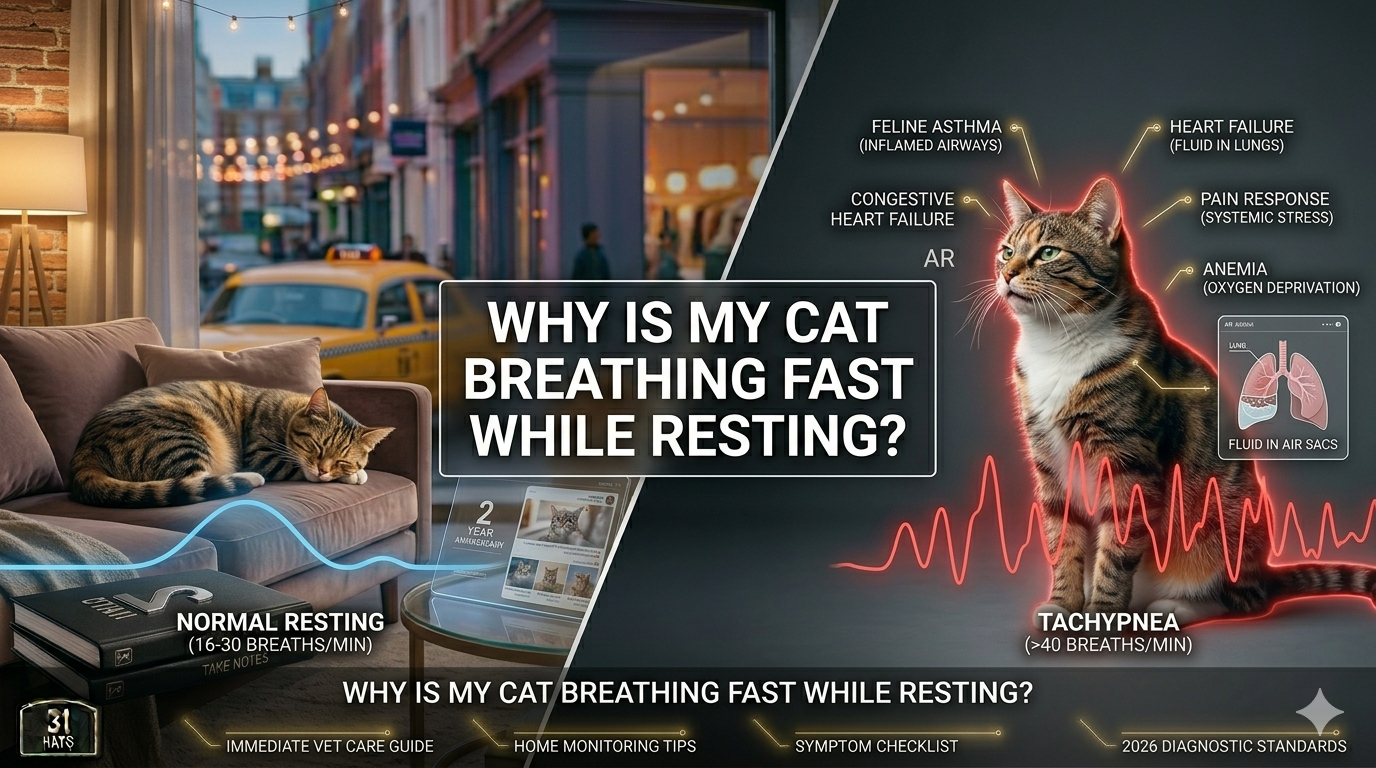
When a cat is resting, it breathes in a steady, quiet way and in the majority of cases, owners do not perceive the rhythm even when they should be attentive. Normal resting rates of respiration are normally between 20 and 30 breaths per minute and the chest rises and falls without any strain. Breathing should be calm, smooth and nearly invisible when your cat relaxes or sleeps. When you quickly realize that your cat is moving fast in the chest or belly, then give it serious consideration.
What is Fast Breathing in Cats?
The first thing you need to know is how to identify fast breathing. That way, you can react swiftly when you notice that something is wrong. When resting, an over 30-35 breaths/minute is considered a high rate of breathing, which is abnormal in your cat. Every up and down of the chest should be counted as one breath and follow your cat to the full minute to be accurate. Play or stressed cats usually breathe more rapidly, but resting breathing ought to slow rapidly. When the cat still breathes rapidly even when sleeping or lying peacefully, you cannot neglect the symptom as it is often a sign of some underlying problem.
As Common Causes Stress and Anxiety
Cats are sensitive to environmental changes and these changes cause physical symptoms such as rapid breathing, which is usually provoked by stress. Your cat may feel unsafe with loud noises or new pets, strangers, or new routine changes. The body reacts to anxiety by secretion of stress hormones which accelerate the heart rate and speed of breathing in your cat.Making the environment calm and predictable can help to reduce anxiety and also help in the overall well-being of your cat.
Heat and Overheating Problems
Cats can hardly endure hot weather and even a slight change in temperature can soon influence their breathing pattern. Cat does not sweat effectively like human beings and therefore cats use breathing to cool the body temperature. When your cat is overheated, the body is forced to breathe more to cool. You can observe your cat lengthening, breathing a bit, or finding colder surfaces. Unless the environment is cool or gets a proper ventilation, overheating may further develop into heatstroke that needs urgent treatment. Fresh water, shade, and a cool resting place are best to keep your cat comfortable during hot seasons.
Indications of Suffering and the Itch
Cats are very secretive about pain, and rapid breathing may indicate pain which they cannot otherwise express. The stress can make the body increase its breathing rate in response to an injury, internal problems, or even minor trauma. Your cat might not be moving, has a decreased appetite, or reacts poorly to touch. Pain elevates the heart rate and causes the body to work harder which is seen in the breathing patterns. You must not guess or administer home remedies in case you think that the cause is pain. An appropriate check up by a veterinary can help determine the cause and provide a safe treatment to your cat.
Pneumonia and Disease
Fast breathing is also common in cats due to respiratory infections, particularly when the infections are in the lungs or airways. Diseases such as upper respiratory infections, pneumonia or bronchitis can cause breathing to become more challenging and may require your cat to breathe more rapidly even during rest. The symptoms may include coughing, sneezing, nasal discharge or wheezing. Infections frequently cause a decrease in oxygen supply hence the body compensates by breathing faster. Early treatment is very important in prevention of complications. When your cat is sick and exhibits a rapid respiratory rate, you need to visit the veterinary immediately in order to safeguard the lungs health.
Circulation and Heart Problems
Heart issues may directly affect the breathing of your cat particularly when the heart is unable to pump the blood effectively. Once the circulation is weakened, delivery of oxygen is reduced and the body reacts to it by accelerating the breathing rate. In other cats with heart disease, fluid accumulation in the lungs occurs, making the process of breathing even more difficult. You may notice drowsiness, fatigue or decreased activity with Deep Breathing. Heart diseases usually go unnoticed, and breathing alterations may be one of the earlier signs. To diagnose the problem, a veterinarian may carry out tests to inform you on the right course of treatment.
Anemia and Oxygen Deficiency
Anemia decreases the amount of healthy red blood cells present in the body of your cat thus limiting oxygen transportation. Once the amount of oxygen in the body decreases, it is met by the body raising the rate of breathing in order to restore the balance. Anemia in cats can be caused by a number of factors, such as parasites, blood loss, or underlying diseases.
Causes and importance of timely treatment
It is important to establish the cause since the treatment varies on the particular condition. In case of any indications of oxygen deficiency, then you need to respond promptly since a prolonged absence of oxygen may impact the other vital organs and aggravate the overall health of your cat.
Toxic Exposure/Poisoning
Cats tend to move around and when they come in contact with toxic materials, they may experience severe health complications, such as rapid respiration. Household chemicals, some plants or human medicines can damage your cat when ingested or inhaled. The nervous system and respiratory system are the most common organs to experience toxic reactions and be manifested through drooling, vomiting, or tremor and rapid breathing.
Emergency response and veterinary care
Emergency intervention is vital in such scenarios. You must not delay when there is suspicion of poisoning. Immediately call a veterinarian and give him information about the potential toxin to help in timely and proper treatment.
Physical Strain and Obesity
Fat causes stress on your kitty’s body and influences his/her breathing capabilities. Being overweight is associated with poor lung function, making breathing difficult even when resting. The body works harder for the extra mass, thus increasing the heartbeat and respiration rates. You might see your cat having difficulty breathing or moving around. Proper nutrition and exercise are crucial in managing obesity and breathing problems.
When Rapid Breathing is an Emergency
Watch out for any red flags that suggest an emergency situation with your cat. Signs to look for include rapid breathing with an open mouth, bluish or pale gums, or inability to keep the head upright. Other signs might include trouble breathing, making unusual noises, or being excessively sleepy. Cats do not pant the way that dogs do, and open-mouthed breathing is always considered abnormal. Prompt veterinary attention is essential because breathing problems can arise from heart disease, infection, or trauma.
How to Spy on Your Cat
It is important to be aware of red flags that suggest an emergency situation You can keep an eye on your cat’s breathing from home by watching it when it is resting or sleeping and measuring breaths per minute. Document any variations for your vet’s reference. You should also be aware of any other symptoms, including coughing, lack of appetite, or behavioral changes. Try not to handle your pet too much, as it will cause it extra stress and affect its breathing.
Prevention and Healthy Lifestyles
emergency situation. Your cat’s breathing can be improved with a healthy lifestyle. Ensure your pet receives a nutritious diet, take him to the veterinarian periodically, and ensure he receives all his vaccinations. Make sure the environment is kept clean without any exposure to smoke, dust, or chemical irritants. Exercise is important as it helps maintain cardiovascular and respiratory fitness. Be alert to changes in your cat’s behavior as this usually means something is wrong.
Last Reflections on Rapid Breathing in Cats
You must never overlook fast breathing while your cat is at rest since it usually indicates an underlying issue. The causes can be minor in some cases, while other cases will need prompt medical intervention to avoid adverse effects. Listen to your inner voice as the cat’s owner and contact a professional for assistance whenever you feel that there is a problem.