Blog
How To Treat An Open Wound From Cat At Home

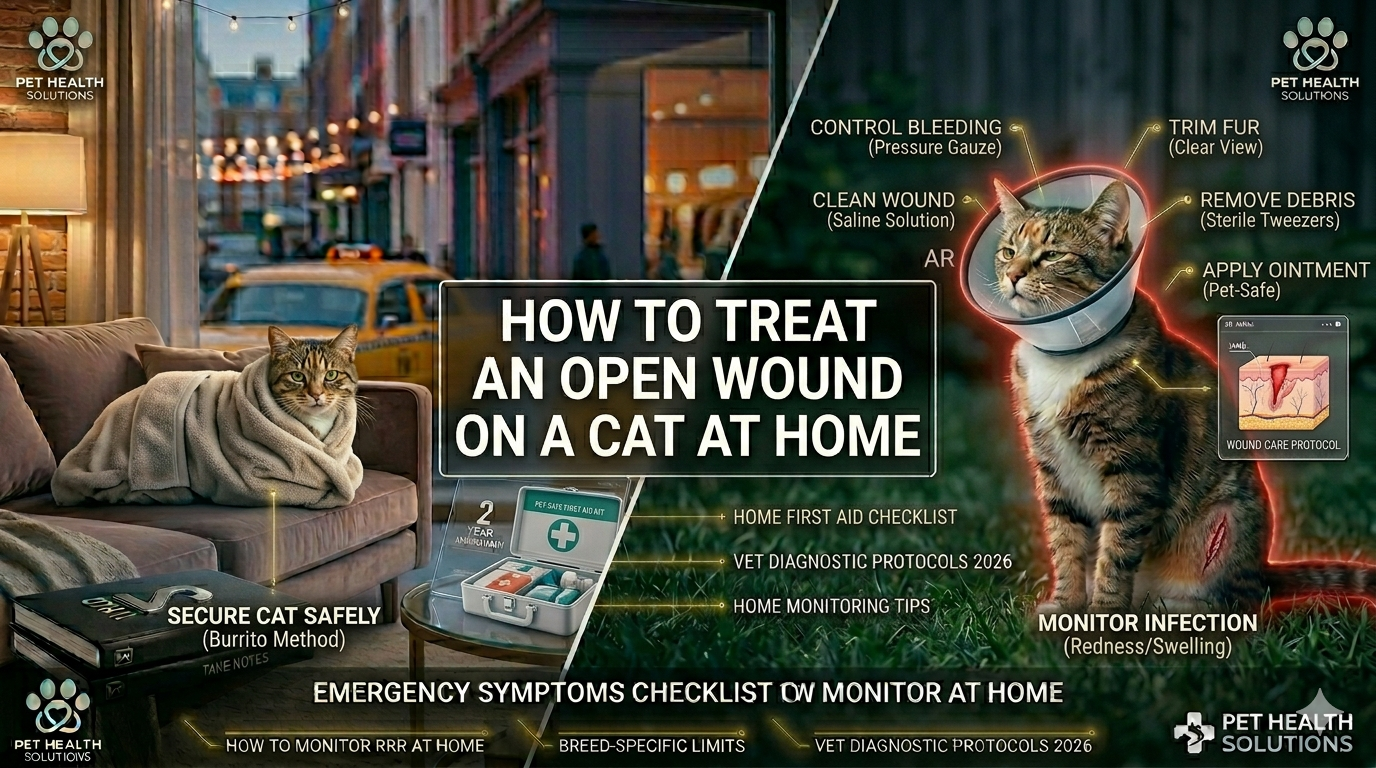
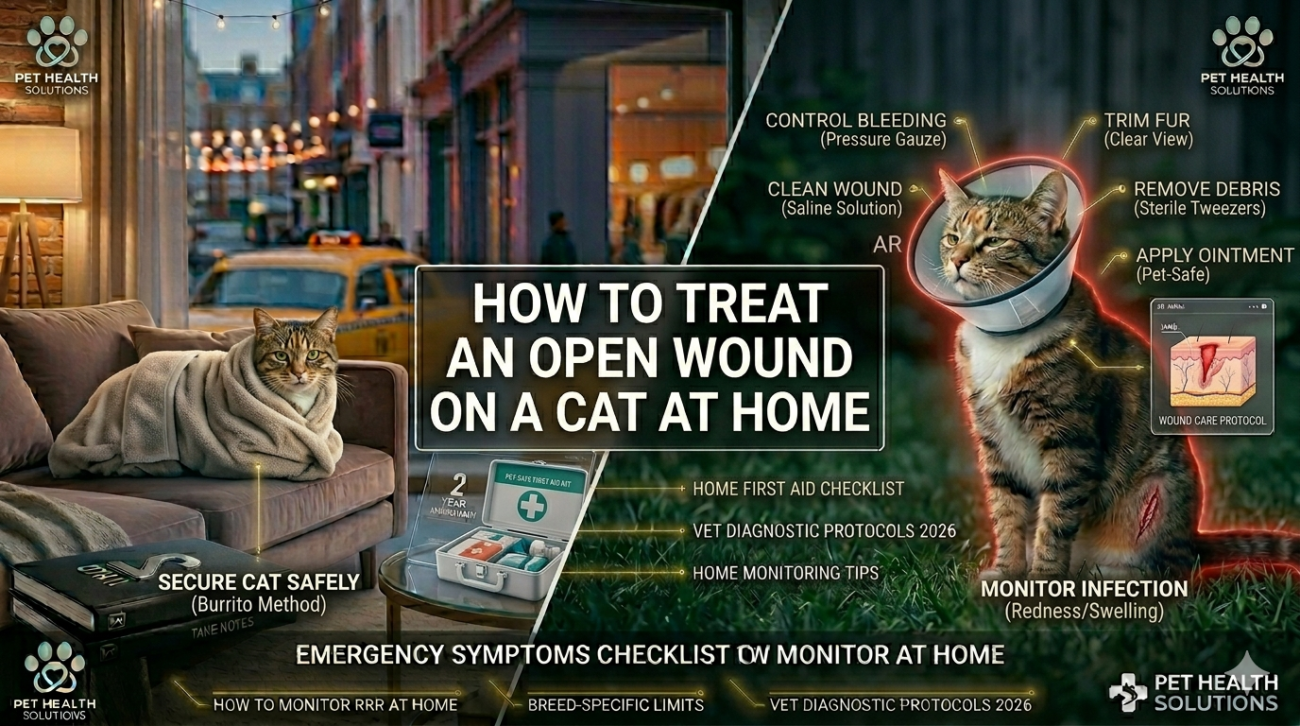
An open wound on a cat may appear scary and you must be quick and meticulous to prevent infection and help the wound heal. Cats are frequently injured in fights, by sharps or accidents. Before you proceed to treat your cat at home, you should note the behavior of your cat and the severity of the wound. The peaceful method will allow your cat to feel safe and you work. Home care can effectively treat minor wounds, although you should remain vigilant of possible complications that may necessitate the use of a veterinary consultant.
Determining the Severity of the Wound
The first thing you should do is to examine the wound. Examine the injury (size, depth, location) keeping your cat calm and still. Minor cuts and superficial wounds are not very difficult to heal with adequate care and cleaning at home. Serious injuries like deep wounds, excessive bleeding, or injury around the eyes, chest, or abdomen require professional assistance. In case of pain, swelling, or abnormal behavior of your cat, these symptoms should not be overlooked. Close evaluation assists you to determine the safety of home treatment or not.
Making a Safe Environment
Before you begin to treat your cats wound you need a clean and quiet place. Select an area in which your cat feels at home. Before you start, collect all materials which include clean cloths, saline solution, antiseptic and gloves. This is a preparation that makes you not be interrupted in the process. Move slowly and gently to minimize stress to your cat. The relaxed atmosphere can make your cat more willing to cooperate and the treatment process will be easier and more effective in both cases.
Washing Your Hands and Supplies
Before handling the wound of your cat, you have to be hygienic. Wash your hands with plenty of warm water and soap and dry them up. Disposable gloves can also be used to minimize the possibility of infection. Wipe down all equipment and materials you intend to use such as scissors or cloths. Do not use dirty, or previously used stuff as this may bring bacteria into the wound. Proper hygiene keeps your cat free of infection and makes sure that you begin the healing process under optimal conditions.
Stopping Bleeding Effectively
In case the wound is bleeding, then you need to take swift action to contain it. Clean cloth or sterile gauze then place a direct pressure on the wound. Apply pressure continuously over a few minutes without raising the cloth often, which aids in the proper clotting of the blood. Remain quiet and hold your cat at rest in this step. In case of bleeding that is more than ten minutes or seems heavy, then you should immediately seek veterinary assistance. Rapid and constant motion is beneficial in such a situation to avoid undue blood loss and get your cat on her feet.
Cropping Fur Around the Injury
You are to be keen to trim the fur around the wound to expose the area. Work slowly using small scissors or clippers so as not to injure your cat. Shaving of the extra fur will avoid the entry of dirt and bacteria into the wound. It is also useful in cleaning and keeping an eye on the injury. It is best to hold your cat still when you are clipping off hair and not cut too near the skin. Hygiene in and around the wound is enhanced by a clean surrounding and enhances healing.
Caring of the Wound
You should wash the wound softly yet comprehensively to eliminate dirt and bacteria. Apply saline solution or clean lukewarm water to clean the wound. Do not rub it, pour the liquid slowly over the area, because a gentle cleaning will protect the tissue. Harsh chemicals such as hydrogen peroxide, or alcohol should not be used because these chemicals will destroy healthy tissue. Cleaning helps to minimize the chances of infection and prepares the wound to further treatment. Do this every day to keep clean all through the healing process.
Using a Safe Antiseptic
Once you have cleaned the wound, a mild antiseptic must be applied to avoid infection. Select antiseptic solution that is pet safe, like diluted chlorhexidine or diluted iodine. Apply the solution using a clean cotton pad and gently over the wound. Human creams or ointments should not be used unless prescribed by a vet. An effective antiseptic prevents illnesses and promotes healing. The constant use allows keeping a protective layer against infection and keeps the wound clean in a healing process.
The Wound against Licking
Cats tend to lick their wounds and this delays healing and also introduces bacteria. This behavior should be prevented using an Elizabethan collar or soft recovery collar. These collars prevent access of your cat to the wound and at the same time allow normal movement. Toys and attention can also help distract your cat to minimize the desire to lick. Covering the wound is an essential part of the healing process since nonstop licking may reopen the wound and cause infections or slow healing.
Wearing a Bandage When Needed
Depending on the location and size of the wound, you may be required to wrap it up with a bandage. Gently cover the area using bandage and a sterile gauze pad. Make sure that the bandage is tight but not tightly wrapped; adequate circulation should be maintained. Wash out the bandage every day. Certain wounds do not heal as well when covered and this is why you should watch the reaction of your cat. Bandaging prevents infection (dirt) and is used to provide a stable environment to heal the wound.
Following the Healing Process
Wound healing should be observed by checking the wound every day. Improvements include a reduction in redness, decreased size, and dry edges. Observe swelling, discharge or foul odor as this can be a sign of infection. Continue with the cleaning and care system to aid gradual recovery. Monitoring allows you to spot the issues early and make a fast decision. Close monitoring will make sure that your cat will be able to recover with ease and will not experience any complications that might complicate the situation.
Pain and Comfort management
During the healing process your cat will be in pain and you need to consider comfort and care. Give your cat a comfortable and cozy place to rest without being disturbed. Do not touch the area of the wound excessively, which may also be a source of stress or pain. Human pain medications should not be administered to cats, since it can be harmful to them. Rather, emphasize on gentle treatment and a relaxing atmosphere. Making your cat a comfortable environment will reduce the stress and will give the body time to heal itself.
Maintaining Proper Nutrition
Wound healing is a factor attributed to good nutrition and therefore you should make sure that your cat feeds on a balanced diet. Give quality food that is high in protein, vitamins and minerals. Always have fresh water so that your cat can stay hydrated. Both good nutrition and re-establishing the immune system and enabling the body to fix tissue. Small frequent meals that your cat has less appetite can also be provided. Proper feeding will help in quick healing and the overall well being of your cat as it heals.
Preventing Future Injuries
You are to take precautions to diminish the risk of subsequent wounds. Indoor or outside activities should be supervised to prevent fights or accidents to your cat. Frequent grooming will enable you to notice injuries before they develop. Clip the nails of your cat so that it will not cause injuries during play or fighting. At home, injuries caused by sharp objects or hazard can also be avoided by creating a safe environment. Prevention is also crucial in keeping your cat healthy and lessening the possibilities of dealing with the same situations in the future.
Being aware of Signs of Infection
When you are at home treating the wound, you must be aware of infection symptoms. Check the wound area, the surrounding tissues, and the surrounding area of redness, swelling, warmth, pus, or a foul odor. Your cat can also exhibit lethargy, loss of appetite or fever. These symptoms mean that the wound is in need of medical care. It is important to diagnose early to avoid severe complications and provide appropriate treatment. In case of any unnatural changes, make sure to consult a veterinarian. Immediate response keeps your cat healthy and does not allow the condition to develop.
When to Take a Dog to a Veterinarian
Home care is effective with minor wounds, but there are cases that have to be assisted professionally. Bites with other animals, deep wounds and injuries that fail to get better within a few days require veterinary treatment. You are also to get assistance when bleeding does not stop or when there is evidence of an infection. A vet will be able to treat it properly, with antibiotics or stitches, as necessary. Timely help means that your cat can get the highest quality care and avoid taking unnecessary risks in the process of healing.
Developing Trust in the course of care
Home treatment of your cat is a matter of patience and trust. When doing this, you are advised to be gentle to your cat and speak calmly. Encourage your kitty to give it a reward or a loving touch after every care session to make it a positive experience. The establishment of trust simplifies subsequent therapies and eliminates stress on both of you. A friendly and relaxed cat can enable you to give him better care and this wound will heal well without undue pain and fear.