Blog
Cat Urinary Blockage Symptoms Male Cat

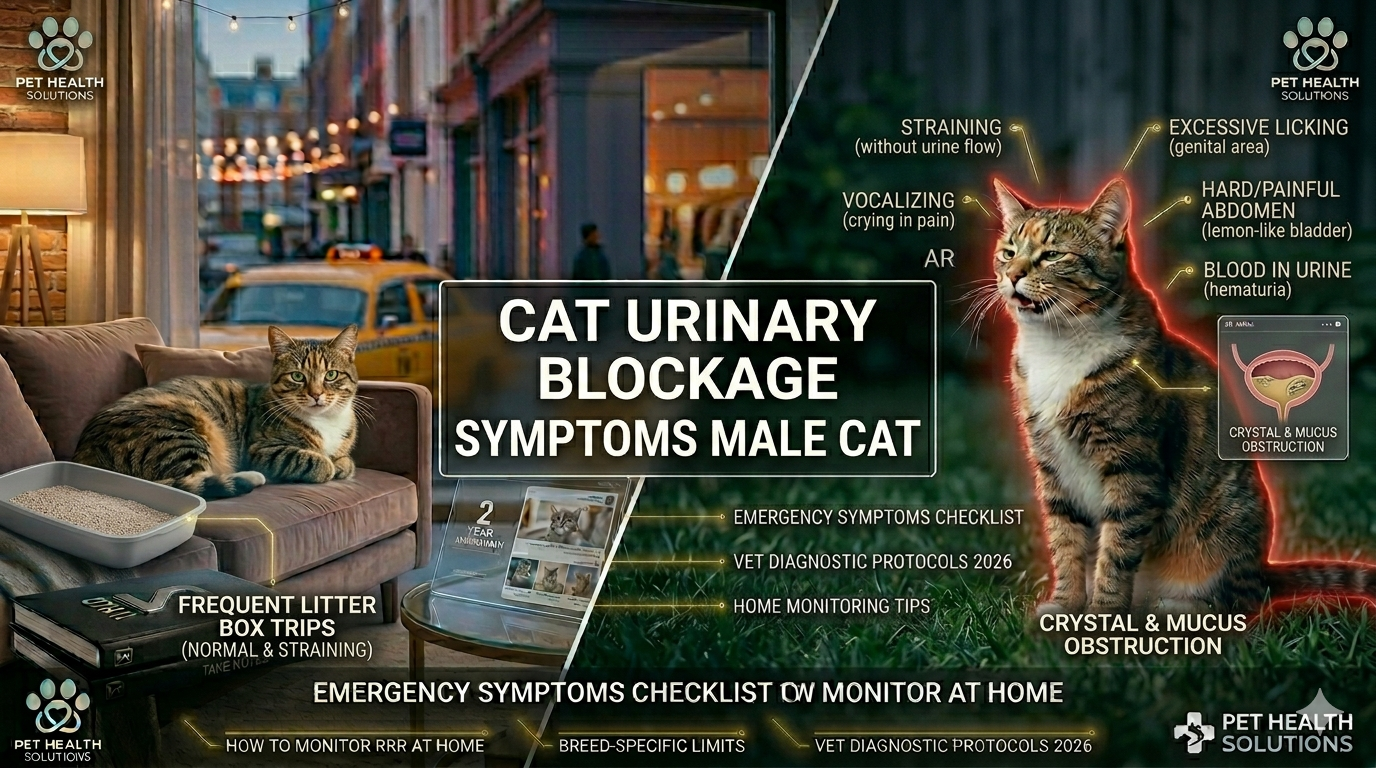
The male cat’s urinary obstruction is characterized by an inability of urine to pass out of the body. This situation is considered to be dangerous for the health of the pet due to toxin accumulation in the body. In male cats, urinary tract obstruction can occur more often than in females due to the constant thinness of the urethra. It can easily get blocked by crystallization or mucous clumps and lead to urine accumulation. Urgent action must be taken from the very beginning of symptom manifestation to save your pet’s life.
Why Is It More Likely for Males?
Firstly, male cats face higher risks of experiencing urinary blockage as a result of their anatomy. Namely, having a narrower urethra predisposes to blockage of the urinary system due to the formation of crystals, inflammation, and even stones. Second, other factors such as stress, dehydration, and diet play a role in developing this health issue. The problem lies in the fact that signs usually come unexpectedly, and the first sign is already quite obvious. As a consequence of the blockage, urine cannot be expelled, resulting in pressure on the bladder and kidneys. Knowing this information can help you keep an eye out.
Straining in the Litter Box
The next important symptom includes increased straining when trying to urinate in the litter box. The cat enters the litter box multiple times and fails to expel urine or produces only a small amount of it. Moreover, you will see your cat straining for an extended period of time and expressing his discomfort or frustration. One needs to pay attention to this sign because it is always visible at the initial stages of urinary blockage. Proper and timely treatment during this period allows avoiding further development of the disease into its dangerous form.
Repetitive Visits to Litter Box with the Purpose of Urination
It is very common for a male cat experiencing urinary blockage to visit the litter box repetitively while trying to urinate unsuccessfully. One may notice that a cat visits his or her litter box several times a day without producing any noticeable urine output or just tiny traces of it. Such behavior indicates that the feline’s bladder is full but he/she fails to urinate. Besides, one should consider that a cat could demonstrate certain signs of anxiety and restlessness because of the inability to urinate properly. It is necessary to monitor the cat’s litter box usage because one can detect some problems before they occur.
Blood in Urine
One more characteristic sign of urinary blockage is blood in urine. The problem is associated with damage to the inner urinary system lining caused by inflammation or irritation. Additionally, your cat will exhibit some signs of pain during attempts to urinate. The presence of blood shows that this issue requires immediate attention because the situation will get worse unless you consult your veterinarian. Please do not ignore this symptom as it is far from being normal. Any sign of blood proves the presence of problems with urine release.
Vocalization and Pain Symptoms
When your pet develops a blockage, it will demonstrate clear symptoms of discomfort. Your cat will cry or meow because of pain during attempts to urinate. Licking of the genital area can also be observed since cats experience discomfort due to pressure in their bladders. As a rule, the intensity of the pain grows with time. Your pet will avoid physical activity and will react painfully on touches.
Weakness and Lethargy
If the obstruction continues, your feline friend may feel weaker and more inactive. You can observe signs such as lack of energy, excessive sleepiness, or disinterest in what is going on around. In addition, your cat starts accumulating toxins in the blood since its body cannot remove waste products. It can affect overall health and well-being of your pet. Your cat may refuse to play or be engaged with household members. Lethargy shows the disease is becoming serious. You should consider this a symptom requiring immediate attention. Treatment should not be postponed to avoid further problems.
Loss of Appetite
One of the common symptoms of urinary obstruction in cats is loss of appetite. You can see that your cat does not eat as much as usual or at all. It can be caused by nausea and discomfort your cat feels due to toxins accumulation. Also, you may find that your feline friend refuses to take any treats or favorite food. Do not overlook sudden lack of appetite especially when accompanied by urinary problems. It is important to pay attention to eating behaviors since they can give insight into your pet’s current state of health. Early veterinary consultations aid your cat in recovering and in stopping further deterioration.
Abdominal Pain and Distention
Urinary blockage leads to evident pain in the abdominal area of your male cat. You may notice the response of your cat upon touching the lower part of his abdomen. In such cases, the cat cannot void the urine from his bladder which leads to increased pressure and abdominal distention. This leads to pain for the cat that may be very agitated due to the uncomfortable situation. Some cats refuse to lie on their bellies because of the pain they experience. Abdominal distention proves that enough amounts of fluid have accumulated leading to life-threatening situations.
Excessive Licking of Genital Area
Genital area licking is common among cats suffering from a urinary blockage. This happens since the cat feels irritated or uncomfortable due to the inflammation or the blockage of the urethra. Your cat may constantly be trying to soothe her discomfort. This behavior may make the area more irritated, and even increase the chances of an infection. It is important to take note of this sign together with straining and the frequent use of the litter box. It shows that there are problems with urination that require immediate veterinary intervention.
Changes in Urine Output
The changes in the output of urine is one of the main symptoms that indicate the presence of urinary blockage in a cat. You will find that a cat produces little amounts of urine or stops urinating altogether. This is evidenced by the lack of wet areas in the litter box despite many visits to the litter box. Complete blockage of the urine flow leads to a medical emergency. Observing urine production enables you to detect any emerging difficulties. Decrease in or lack of urine output is a signal for urgent visits to your veterinarian since this will assist in restoring proper urinary functioning and avoiding life-threatening situations.
Vomiting and Physical Debilitation
Vomiting occurs at later stages when the toxins start accumulating in the system due to increased uremia. As a consequence, your pet may throw up contents either solid or fluid because of the internal disturbance within his body. The presence of such a symptom demonstrates that toxins have a negative impact on various organs. Drooling and nausea are possible as well. In addition, debilitation takes place, which includes physical weakness and dehydration.
Collapse or Severe Weakness
During severe instances of urethral obstruction, your pet is likely to collapse or become extremely weak because of various physiological complications. It will not be easy for the body to continue working under the conditions of toxins accumulation and kidney pressure. The cat may become unresponsive or weak and fall. In such situations, there is the need for immediate action since they indicate that your cat is in a life-threatening state. Emergency action must be taken by you since there would otherwise be a high likelihood of death.
Reasons for Urethral Obstruction
A variety of reasons cause urethral obstruction among male cats. These may range from crystalline deposits to presence of stones, inflammation, or mucus in the system. Inappropriate diet, dehydration, and excessive stress increase the chances of obstruction. An inactive indoor cat is at high risk of developing such problems.
Collapse or Extreme Weakness
With severe obstruction, your feline pet may collapse or exhibit extreme weakness. It is very difficult for the body to keep functioning because of toxin accumulation and stress on the kidneys. The cat may seem unresponsive or find it impossible to walk. This is one of the serious stages where life-Knowing the reasons behind the problem will help you prevent the condition by taking proper care. You need to ensure that your cat gets proper nutrients and drinks plenty of water. Prevention methods should be considered important in protecting against urinary obstructions in the future.
Veterinary Diagnosis and Treatment
Your veterinarian will conduct a physical exam, perform urinalysis, and use diagnostic tools to check if your cat has a urinary obstruction. The vet needs to examine the size of the bladder and whether there is any sign of obstruction. Catheter insertion is among the treatment procedures performed to drain the blockage. To deal with dehydration and imbalances, fluid therapy is administered. For pain relief, your vet will administer medication. Hospitalization may be required in some instances.
Home Management After Treatment
Home management is essential for your cat after treatment. This involves following all veterinary recommendations as well as administering the required medications. It is important to provide your cat with access to fresh water to help ensure good hydration. The veterinarian may recommend a specific urinary diet. Ensure the litter box is clean and check your cat’s urine output regularly. Avoid stressing the animal. Watch out for recurrence of symptoms. Good home management plays an important role in the recovery process.
Prevention of Future Blockage
Urinary blockage may be prevented through proper management practices. These include ensuring your cat drinks plenty of water through use of clean water bowls and possibly a fountain. Provide your pet with a healthy diet. Stress should also be minimized. Maintain the activity level of your cat in order to ensure its overall wellbeing. Veterinary exams are always helpful for noticing early signs of any change in urinary tract. Litter box observation is very important in order to identify symptoms on time. Prevention always works best when it comes to keeping your male cat safe from urinary obstruction.
Conclusion
Cat urinary obstruction is associated with severe symptoms that have to be noticed on time in order to save the animal’s life. You need to monitor your pet for such signs as pain, straining, small amounts of urine, and some unusual behavior. The thing about urinary obstruction is that it develops rapidly, meaning you cannot afford to ignore it. Your fast actions will make a huge difference for your cat.