Blog
Can Cats Feel Pain After Surgery?

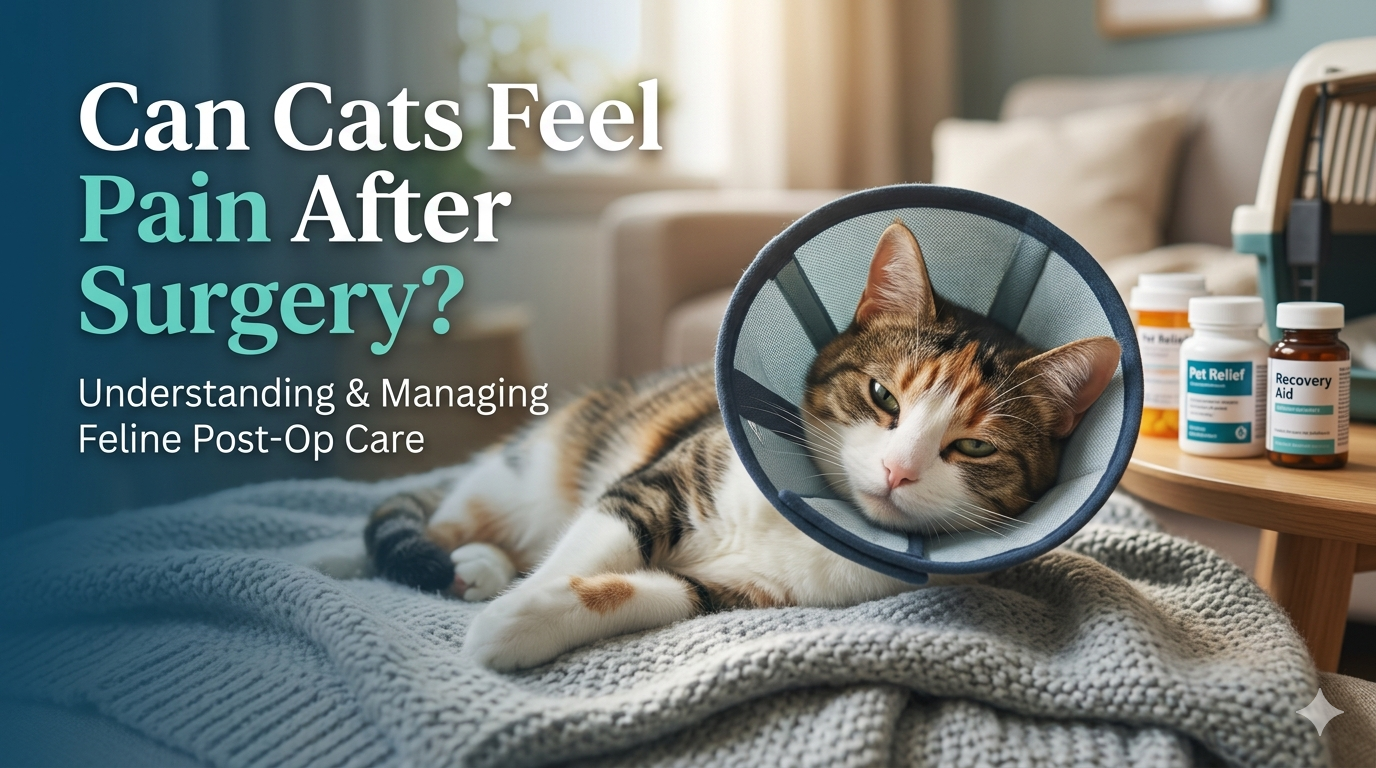
It is quite logical to think that cats experience pain after surgery as a natural response to tissue injuries and recovery process. Painful sensations serve as protection until the injured body parts heal completely. Yet, cats tend to disguise their pain, making it rather difficult for cat owners to detect. In any case, knowing what causes the pain and how it manifests is crucial in order to take the right approach to caring for your pet after surgery.
Reasons For Post-Surgery Pain in Cats
Pain occurs after surgery due to a variety of reasons. These include cutting the tissues, manipulating them, and causing injuries to initiate healing process. Moreover, inflammatory reaction occurs at the place of the injury. Even minor surgeries such as castration and ovariohysterectomy lead to post-procedural pain. Hence, feeling pain after surgery is something one should expect from their pet.
How Do Cats Demonstrate Pain?
It is essential for cat owners to be aware of how their pets communicate pain. Unlike dogs, cats are not likely to whimper or whine when experiencing pain. Instead, they will hide themselves from their owners, becoming quieter and withdrawing from interaction. Furthermore, cats are likely to cease grooming, eating, and moving around. Sometimes cats will become irritable if they are touched. Such non-obvious signs may often go unnoticed, which is why cat owners should observe the behavior of their pets very carefully after surgery.
Post-Surgery Pain Indicators
There are several post-surgical indicators of pain in cats, which may differ from one another. They include a decreased appetite, unwillingness to move, hunching over, or protecting the site of the surgery. Other signs may include fast breathing, nervousness, and changes in litter box behavior. In addition, some cats might start vocalizing when being held in someone’s arms. It is necessary to monitor these behaviors to detect any signs of pain in a timely manner.
Recovery Time from Surgery
The time during which pain lasts after a surgery will be influenced by the type of operation performed as well as the rate of healing in each cat. While mild procedures will result in several days of discomfort, complex operations may necessitate a lengthy period before full recovery is realized. Importantly, recovery should involve decreasing levels of pain with each passing day; therefore, any improvement in the state is expected. This is critical when assessing the need for further veterinary advice.
Importance of Pain Medication
To facilitate faster recovery, veterinarians prescribe medication to ease a cat’s discomfort. By reducing inflammation and blocking pain sensation, medication allows a cat to rest better. Consequently, the importance of giving the prescribed dose at the right time cannot be emphasized enough. It is worth noting that human painkillers should never be used since they can negatively affect cats. The goal of medication, then, is to minimize pain and encourage cats to behave normally.
Why Cats Need Rest After Surgery
Rest is crucial for minimizing post-surgery pain in felines. During the process of rest, the body uses its resources to heal injured tissues rather than moving around. For this reason, restricting your pet’s movements will help reduce stress at the place of operation. Ensure that your cat rests in a peaceful place where it cannot be disturbed. Besides, try not to allow your cat to jump, run, or engage in any kind of rough games while it recovers.
Why Too Much Activity Can Cause Pain in Your Pet
Increased activity can lead to additional pain in your cat after surgery. Activities like running, jumping, and playing on trees may cause additional irritation of the stitches. Hence, you should take control of the movements of your cat until it recovers fully. Try placing it in a secure place, where it won’t need to move much. Besides, it might be useful to keep it away from other pets.
Pain and Sensitive Cats
Stress levels could influence how sensitive cats become to pain after surgery. This means that an anxious animal will be overly sensitive towards their pain. Thus, stress reduction ensures proper recovery of both the body and the psyche of cats. To do this, keep surrounding noises minimal and avoid startling cats with sudden moves. Additionally, you should give cats plenty of support but no unnecessary attention to prevent stress. Overall, pain tolerance decreases while stress levels decrease.
Observing the Surgical Site
To determine whether the situation regarding the pain of a cat improves or deteriorates over time, one needs to monitor the state of the surgical site. Swelling, redness, and any discharges could indicate that the pain increases. At the same time, some redness in the beginning is okay. Hence, regular monitoring is necessary. It is better not to touch the place but only to observe it. Clean and healthy appearance of the surgical site means that pain is decreasing.
When Pain Should Become a Priority
Some degree of pain following surgery is expected but some symptoms should lead you to seek medical attention from your vet. This would include increased pain that does not improve. Other warning signs include excessive swelling, lack of appetite, or excessive lethargy. Sudden changes in behavior are also significant. It is therefore wise for you to trust yourself when something is not right. Quick action will help prevent problems. Differentiating between the normal recovery phase and warning signs will make it easier for you to take appropriate actions to ensure better care for your cat.
The Difference Pain After Various Surgeries
Different surgical procedures produce different degrees of pain. Less invasive operations may lead to minimal discomfort for your pet. More invasive ones, on the other hand, will produce greater and prolonged pain. As such, your expectations regarding recovery must be based on the specific surgery undergone by your pet. Your vet will guide you on how much pain you should expect in each case. Furthermore, the reaction to the same operation will differ for different animals.
Why is Follow-up Visit Important?
These visits will help make sure that your pet’s pain reduces properly. During the process, veterinarians inspect healing progress, analyze the wound site, and make adjustments if necessary. Thus, visiting these appointments is very important to promote faster recovery. It is possible for you to receive advice on how to manage behavioral problems if they arise. Moreover, these visits can identify some of the hidden problems. By following your vet’s recommendations, you can facilitate the process of pain management and healing.
Creating a Comfortable Environment at Home
Your cat needs to be comfortable at home to help it relieve pain after the operation. This means providing your pet with soft places to sleep, making sure it has access to food and water, and keeping the atmosphere calm at all times. Thus, by reducing stress and physical activities, your cat will have an easier time recovering from the procedure. Having everything your cat needs nearby will prevent your pet from moving around too much.
Impact of Pain on Behavioral Changes
Cats’ behavioral changes might occur after undergoing a procedure because of discomfort. For example, felines become more secluded or irritability increases. Thus, these signs may indicate pain in cats. Lack of proper grooming activities and change in interaction behavior could also be observed. Moreover, avoidance of specific positions might be a sign of pain. Being aware of all these signs allows you to understand the state of your pet better. As soon as behavior improves gradually, it usually means the pain becomes milder.
Conclusion about Can Cats Feel Pain after Surgery?
Asking whether can cats feel pain after surgery, we need to say that pain is natural for them, but can be mitigated through different ways. Post-surgery pain is common for cats, but with adequate medical intervention, they can recover successfully without discomfort. Thus, careful examination and professional veterinary advice are crucial. Knowing how to detect the presence of pain will ensure the safety and well-being of your cat.